Author : Ben Cluff

About the Author:

Owner and co-founder of LUX Fitness, a premium strength training studio built around smarter, more efficient fitness. With a background in sales, leadership, and personal development, Ben is passionate about helping people build strength, confidence, and discipline without spending countless hours in the gym. Through LUX Fitness, he helps members achieve meaningful results with personalized training, advanced equipment, and a high-performance approach to health and wellness.

Coach discussing muscle recovery after personalized strength training session

Muscle Recovery After Strength Training at LUX Fitness in Franklin, TN: Why Rest Is Part of Getting Stronger

If you grew up believing more is always better, resting can feel like cheating. That instinct is understandable, and it’s also the thing quietly holding a lot of people back.

Strength isn’t built during the workout. It’s built in the hours and days after, while your body repairs and adapts.

This article explains what actually happens when you recover, why rest is a non-negotiable part of getting stronger, and how recovery fits into a sustainable approach to training. By the end, resting on purpose should feel less like giving something up and more like the smartest part of your plan.

Why Muscle Recovery After Strength Training Matters

When you train, your muscle fibers experience tiny amounts of stress. That stress is the signal to adapt, but the adapting happens afterward, not during the session.

Your body uses recovery time to repair those fibers and rebuild them a little stronger than before. Skip that window, and you’re interrupting the very process you trained to trigger.

This is why recovery is not the opposite of progress. It’s the second half of it.

Muscle groups generally need around 48 hours before they’re ready to be worked hard again. Respecting that rhythm is what allows strength to accumulate instead of stalling.

Relaxed athlete recovering comfortably after productive strength training session

What Happens When You Skip Recovery

Training hard every day without adequate rest doesn’t speed things up. It tends to do the opposite.

Without recovery, fatigue builds, performance dips, and the risk of nagging strains climbs. Your body never gets the chance to complete its repairs before you disrupt them again.

Over time, that pattern leads to burnout and frustration. People push harder, see less, and eventually conclude that training “doesn’t work” for them.

Recovery breaks that cycle. It lets each session build on the last rather than dig a deeper hole.

How Efficient Training at LUX Makes Recovery Easier

One of the advantages of a focused, efficient training approach, like the ARX-based training used at LUX, is that it’s built around recovery rather than against it. Short, high-quality sessions a couple of times a week give the body time to adapt between them.

This is a very different model from grinding through long workouts most days of the week. It delivers the stimulus you need without leaving you perpetually depleted.

For busy professionals, that rhythm fits real life. You train hard when you train, then let recovery do its work while you get on with your week.

The result is a routine you can actually sustain for years, which is where the real, lasting benefits of strength come from. It’s less about any single workout and more about staying consistent long enough for the results to add up.

Fatigued professional experiencing consequences of inadequate workout recovery

Why Recovery Matters More As You Get Older

How Your Recovery Needs Change With Age

Recovery needs change as you get older, even when your training intensity doesn’t. The same session that left you ready to go again in a day might take a little longer to bounce back from now.

That’s not a setback, it’s just how the body works over time. Training that ignores this tends to catch up with you eventually, usually in the form of nagging aches or slower progress.

Why Recovery Protects Your Joints and Long-Term Strength

For busy professionals balancing a career, a family, and everything in between, this is exactly where a thoughtful approach to training pays off. Sessions built around real recovery protect your joints and connective tissue, not just your muscles.

This is also where longevity comes into play. Training that respects recovery today is what keeps you strong, mobile, and able to keep doing the things you enjoy for years to come, not just for one good season.

Longevity and consistency tend to go hand in hand here. The people who keep training for the long run usually aren’t the ones who trained hardest for a few months, they’re the ones who built a plan sustainable enough to stick with for years.

How Coaching at LUX Adjusts As You Age

At LUX, this shows up in how sessions are paced and in how much attention goes into form as you train. Working with a coach in a private, appointment-based setting also means small adjustments happen in real time, before minor issues become bigger ones.

There’s no group pace to keep up with and no generic program to follow along the way. A session can flex around how you’re actually recovering that week, which matters more the longer you’ve been training.

None of this requires you to track every metric or overthink each session. It’s simply part of how a good coach thinks about your training over months and years, not just the next 45 minutes.

The goal isn’t to train less as you get older. It’s to train smarter, so the effort you put in now keeps paying off well into the future.

What Recovery Looks Like at LUX

Recovery at LUX starts with how training is structured. Sessions are spaced to give your body the time it needs, so rest is designed into the plan rather than left to chance.

Beyond the schedule, the studio’s recovery amenities support the process between sessions. These are the small, restorative details that help you feel refreshed and ready for your next visit.

Good recovery habits at home matter just as much. Quality sleep, where most repair happens, and solid nutrition round out what the studio provides.

Taken together, it’s a complete approach: train with intention, then recover with just as much purpose. Nothing about it is complicated, it’s simply built to work with your body instead of against it.

A Note From Coach Ben Cluff at LUX Fitness

“A lot of people think resting means they’re being lazy,” says Ben Cluff of LUX Fitness in Franklin. “I try to reframe it for them. Rest is when the strength you earned in the session actually gets built. You’re not skipping the work, you’re finishing it.”

“Once clients trust that, they stop feeling guilty about rest days,” he adds. “And funny enough, they usually get stronger faster, because they’re finally letting their bodies keep up with the work they’re putting in.”

Frequently Asked Questions

How long should muscles recover after strength training?

Most muscle groups need roughly 48 hours of recovery before being trained hard again. That window gives your body time to repair and rebuild the muscle fibers, which is when strength is actually gained, so spacing sessions accordingly helps progress accumulate.

Why is rest important for building strength?

Rest is when your body repairs the muscle fibers stressed during training and rebuilds them stronger. Without adequate recovery, that repair never finishes, which leads to fatigue and stalled progress. Rest isn’t a break from building strength; it’s a core part of it.

Can you strength train too often?

Yes. Training the same muscles hard every day without recovery can cause fatigue, reduced performance, and a higher risk of strains. More frequent isn’t always better. Consistent, well-spaced sessions with real recovery between them produce better long-term results.

What helps muscles recover faster after training?

Quality sleep is the biggest factor, since most muscle repair happens while you sleep, so aim for seven to nine hours. Good nutrition, adequate spacing between hard sessions, and gentle

Do I need rest days if my sessions are short?

Yes. Even short, efficient sessions create the stress that triggers muscle repair, so your body still needs recovery time between them. In fact, a focused training model is built around that spacing, which is part of what makes it sustainable.

Ready to Train (and Recover) With a Plan at LUX?

Getting stronger isn’t only about how hard you push. It’s about giving your body the room to turn that effort into real, lasting strength.

If you’re exploring a training approach that treats recovery as seriously as the work, the team behind our recovery amenities at LUX Fitness can show you how it fits together, and you can read more about training comfortably in our guide to joint-friendly strength training.


Coach conducting personalized strength assessment inside private fitness studio

Your First Strength Assessment at LUX Fitness in Franklin, TN: What We Measure and Why It Matters

Booking a first session and not knowing what will happen is enough to make anyone nervous. If you’re picturing being put through a grueling test on day one, you can let that worry go.

Your first strength assessment isn’t a workout to survive. It’s a calm, structured starting point built to understand your body before any real training begins.

This article walks through what a strength assessment involves, what gets measured, and why that baseline is the foundation on which everything else is built.

What a First Strength Assessment Actually Is

A strength assessment is a focused first session designed to learn where you’re starting from. Think of it as gathering information, not proving anything.

It usually opens with a conversation about your history, any past injuries or aches, and what you want strength to help you do. That context shapes everything that follows.

Nothing here is about judging your current fitness level, it’s about understanding it.

From there, you move through a small set of controlled movements at a comfortable effort. The goal is to see how you move and how much force you can safely produce, not to push you to failure.

The whole experience is meant to feel measured and unhurried. You leave with a clear picture of your starting point rather than a wave of soreness.

Coach discussing health goals before personalized strength assessment session

What Happens in Your First Strength Assessment, Step by Step

Your first strength assessment is a single introductory appointment that measures where your strength actually starts. It moves through four stages: a conversation about your history, a walkthrough of each movement, an ARX strength baseline, and a plain-language debrief of your numbers.

  1. The conversation about your history and goals. Your coach asks what you have trained before, where you get aches, and what you want strength to help you do. That context decides which movements are worth measuring and which ones get handled carefully.
  2. The movement walkthrough. Before you attempt anything, your coach explains the movement and sets up the machine with you standing there. Nothing you are asked to do should be the first time you have seen it.
  3. Your ARX strength baseline and movement read. This is where the measurement happens. ARX matches resistance to the force you produce, so the session records how much force you generate, how well you control it through a full range of motion, and how your two sides compare. Your coach reads your movement at the same time, watching for restrictions and imbalances worth working around in early sessions.
  4. Your debrief and next step. Before you leave, your coach walks you through what each number means in plain language. You will know what was measured, why it matters, and what a sensible next session looks like.

None of it is a test you can fail. The effort stays comfortable and controlled throughout, because a baseline taken at your honest working strength is far more useful than one taken at your limit.

What to Expect on the Day of Your Assessment

What to Wear and How to Prepare

There’s no special prep required before you arrive. Comfortable clothes and shoes you can move in are all you need, and there’s no reason to change your routine beforehand.

The Private, One-on-One Studio Setting

The session happens in a private studio setting, one-on-one with your coach. There’s no crowd of other clients, no mirrors lined with strangers, and no reason to feel like anyone is watching or comparing.

Your coach will walk you through each movement before you attempt it, so nothing feels like a surprise. Questions are welcome the entire time, and the pace stays unhurried from start to finish.

Because the assessment uses ARX resistance technology, the equipment adjusts in real time to match the force you produce, rather than asking you to lift a fixed, unfamiliar load. That makes the process feel more like guided movement than a test you could fail.

Timing, Your Debrief, and Next Steps

Plan for the assessment to take up a normal appointment window. There’s nothing to rush through and nothing you need to cram in beforehand, since the whole point is an honest read of where you’re starting from.

Before you leave, your coach will walk you through what the numbers actually mean in plain language. You’ll know exactly what was measured, why it matters, and what a reasonable next step looks like.

If nerves crept in while you were booking, that’s completely normal. Almost everyone feels a flicker of it walking through the door, and it tends to fade within the first few minutes once the conversation starts.

From there, scheduling your first real training session is simply the next conversation, not a leap into the unknown.

Coach explaining personalized strength assessment results to new client

What We Measure During a Strength Assessment

The heart of the assessment is capturing an honest baseline of your current strength. Using ARX resistance technology, that baseline is captured as real force data rather than a rough estimate.

The session records how much force you can produce and how well you control it through a full range of motion. It also reveals differences between sides and any movements that feel limited.

Just as important is how your body moves. A coach watches for restrictions, imbalances, and anything that should be worked around carefully in early sessions.

Together, these details create a precise snapshot of where you are today. That snapshot becomes the reference point every future session is compared against.

Why a Baseline Strength Assessment Matters

Without a starting point, progress is just a feeling. A measured baseline turns “I think I’m getting stronger” into something you can actually confirm.

It also makes your training genuinely personal. Your program is built from your numbers and your movement, not a generic template meant for someone else.

That kind of precision is part of what separates real coaching from a class everyone follows at the same pace.

A baseline protects you, too. Knowing your real starting strength lets your coach load each exercise appropriately, so you’re challenged without being pushed past what’s safe.

For busy professionals who want their time to count, precision matters. Training aimed at your actual starting point wastes far less effort than guesswork ever could.

How the Assessment Shapes Your Training Plan

The data from your assessment goes straight to work. It tells your coach where to start the resistance, which patterns to prioritize, and what to approach cautiously.

It also becomes the reference every future assessment gets compared against, so progress stays measurable instead of anecdotal.

If the assessment reveals a weak link or an imbalance, your early sessions can address it before it becomes a problem. That’s far easier than fixing something after months of training around it.

From that first baseline, every session builds with intention. You’re never guessing whether you’re ready for more, because your numbers guide the next step.

A Note From Coach Ben Cluff at LUX Fitness

“People often come into their first assessment braced for something intense,” says Ben Cluff of LUX Fitness in Franklin. “Then they realize it’s really just us getting to know their body and taking honest measurements. The relief on their face is almost universal.”

“That baseline is one of the most valuable things we do,” he adds. “It’s how we make sure everything after it is built for them specifically, and it’s how they get to watch their own progress add up down the road.”

Frequently Asked Questions

What happens during the first strength assessment?

A first strength assessment begins with a conversation about your history and goals, followed by a few controlled movements at a comfortable effort. A coach measures your current strength and watches how you move, so the session gathers information rather than pushing you to your limit.

Do I need to be fit to do a strength assessment?

No. A strength assessment is designed to meet you exactly where you are, whether you’re a complete beginner or returning after time off. Its entire purpose is to establish your current baseline, so there’s nothing to prepare for or prove.

Will my first strength assessment leave me sore?

It shouldn’t. The assessment uses controlled, comfortable effort to measure your strength safely, not to exhaust you. You should leave with a clear picture of your starting point rather than the heavy soreness of a maximal workout.

How is a strength assessment different from progress tracking?

A strength assessment establishes your initial baseline before training begins, while progress tracking measures how that baseline changes session to session. The assessment is your starting line, and progress tracking is how you follow the road from there.

How long does a first strength assessment take?

Most first assessments fit comfortably within a single introductory session. It’s an efficient process focused on gathering the right information, so you get a complete baseline without spending a long time on the floor.

Ready for Your First Strength Assessment?

A first strength assessment isn’t a test to pass. It’s the moment your training becomes genuinely yours, grounded in real information about your body.

If you’re exploring where to begin, our strength assessment and testing service can walk you through it, and you can see how that baseline turns into ongoing progress in our guide to how ARX measures your strength progress.

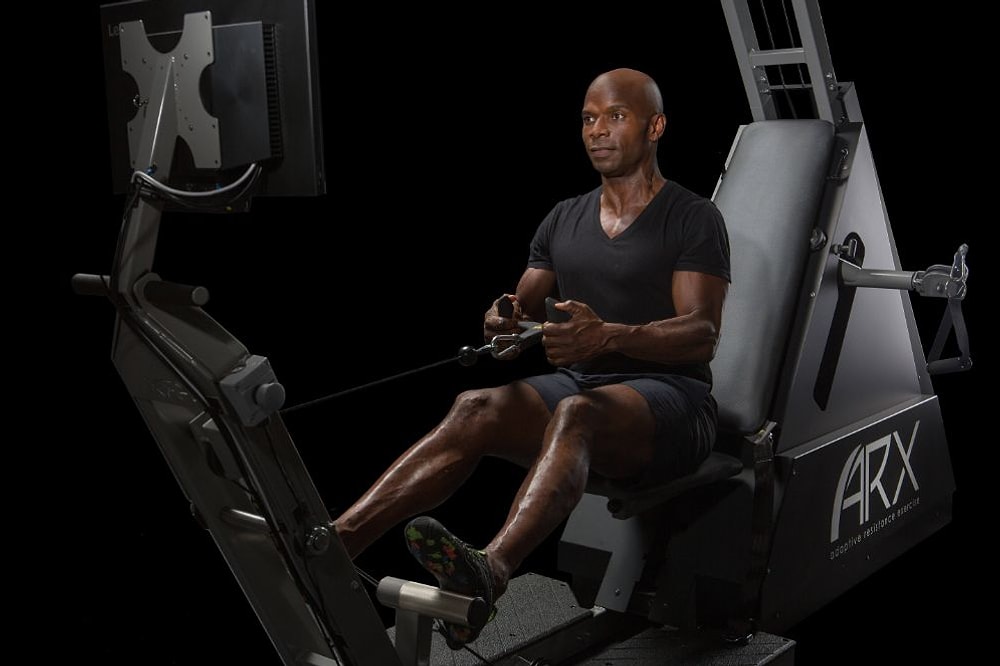
Man doing a seated row on an ARX machine

How ARX Measures Your Strength Progress Every Session at LUX Fitness in Franklin, TN

Most people have no real idea whether they’re getting stronger. They go by how a workout felt, or whether the scale moved, and hope it’s adding up to something.

That’s not a knock on effort, it’s just a blind spot most training programs never fix.

If that guesswork sounds familiar, there’s a better way to know. At LUX Fitness, ARX measures your strength directly, turning every session into hard data instead of a hunch.

This article explains what ARX actually tracks, why measured progress matters, and how seeing your numbers change keeps you motivated over the long haul. By the end, you will know exactly what happens behind the scenes every time you train.

What ARX Measures About Your Strength

ARX is a resistance technology that matches the exact force you produce at every point in a movement. Because the machine is reading your effort moment to moment, it can measure that effort with precision.

Each session captures your total force output and your peak force on both the pushing and lowering phases of a lift. It also logs the total work you performed.

Alongside that, it tracks rep speed, range of motion, and how your force holds up as you fatigue. All of it lands on a single dashboard that your coach reviews with you.

The result is a detailed picture of your strength that updates every time you train. Nothing is estimated, and nothing depends on how the session happened to feel.

You always know precisely where you stand, not just where you think you might be.

person training using an ARX equipment

Why Measuring Strength Progress Matters

When progress is invisible, motivation gets fragile. It’s hard to stay committed to something you can’t tell is working.

That uncertainty is often what quietly causes people to stop showing up in the first place.

Measured strength changes that entirely. A number that climbs from one session to the next is proof, and proof is far more motivating than a vague sense of improvement.

Data also protects you from spinning your wheels. If a metric stalls, your coach can see it early and adjust before weeks of effort go to waste.

It also means you’re not the last one to notice when something isn’t working.

Just as importantly, it keeps training honest. You’re never guessing whether you pushed hard enough, because the readout tells you exactly what you did.

How Strength Progress Tracking Guides Your Training

Numbers are only useful if they change what you do next. At LUX Fitness, every session is private and appointment-based, with your ARX data directly shaping how that time is programmed.

Nothing about your plan is left to guesswork or habit.

If your force output is rising steadily, that’s a signal to keep building. If it plateaus, it’s a cue to adjust the stimulus so progress continues.

This feedback loop is what makes a single, focused 30-minute session each week so effective. Every minute of that one session is aimed at the areas the data says will move the needle.

It also means your program is genuinely yours. Rather than following a generic template, you’re training against your own measured performance, session after session.

person training using an ARX equipment

What a Progress Review Session Looks Like

When the Review Happens

A progress review is not a separate appointment tacked onto your schedule. It happens right inside a normal session, usually in the few minutes before or after your working sets.

Your coach pulls up your dashboard and walks through what changed since your last visit. You will see how your force output moved, whether your peak strength climbed on a specific lift, and how your total work capacity is trending.

What Your Coach Walks You Through

These conversations stay practical rather than theoretical. If a number is climbing, your coach explains what is driving that change and how to keep the trend going in the sessions ahead.

If something has flattened out, you will hear why that might be happening and what is changing in your next few sessions to address it. Either way, you leave with a clear picture instead of a vague impression of how things are going.

Why It’s Always Current

Because this happens every time you train, there is no waiting for a quarterly check-in to find out where you stand. Your progress conversation is always current, which makes it easier to trust and easier to act on.

You also do not need to interpret the numbers on your own. Your coach translates what the dashboard shows into a specific next step, so the data always leads somewhere useful.

None of this adds extra time to your visit or turns training into a meeting. It is folded into the session you already have on the calendar, which keeps the whole process simple for anyone with a full schedule.

Seeing Progress You Can Actually Trust

Traditional workouts ask you to infer progress from indirect signals like soreness or how you look in the mirror. Those signals are noisy and easy to misread.

Objective strength data cuts through that noise. You leave each session knowing, not hoping, that you’re moving in the right direction.

That kind of specificity is hard to get from a workout that is only judged by feel.

For busy professionals in Franklin who want certainty from their time, that clarity is the whole point. Measurable progress is what turns training into a reliable investment rather than a leap of faith.

It is one less thing you have to wonder about in a schedule that is already full.

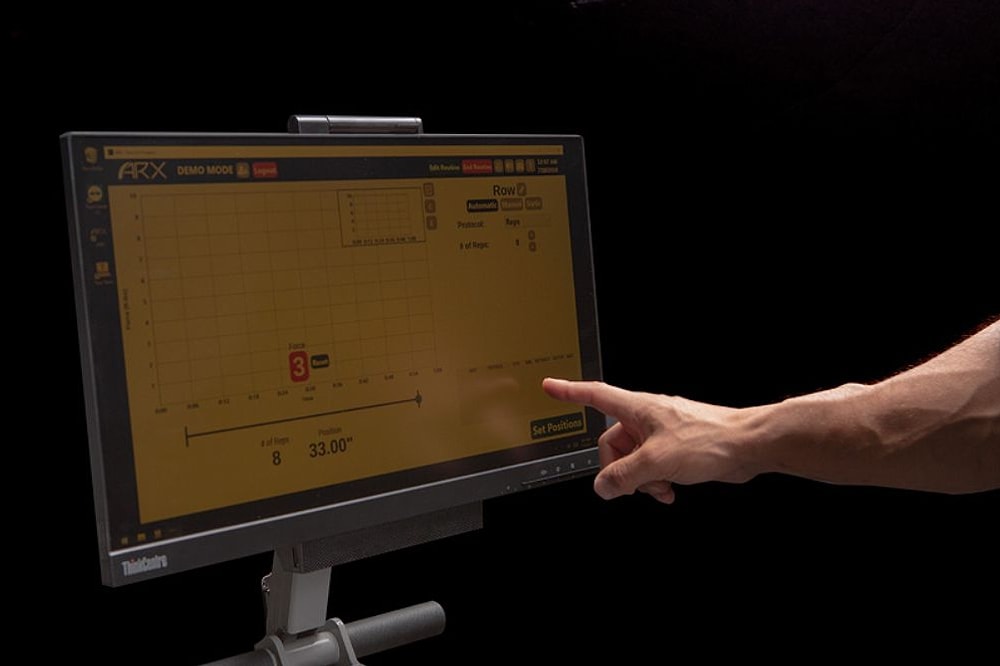
Hand selecting an exercise on the ARX touchscreen

A Note From Coach Ben Cluff at LUX Fitness

“The first time someone sees their force numbers go up on the screen, something clicks,” says Ben Cluff of LUX Fitness in Franklin. “It stops being about whether they think they’re improving. They can see it, in black and white, every single session.”

“That certainty changes how people train,” he adds. “When the data confirms the work is paying off, consistency stops being a battle. The proof does a lot of the motivating for me.”

Frequently Asked Questions

How does ARX measure strength progress?

ARX matches the exact force you produce throughout each rep, which lets it measure that force precisely. It records total and peak force output, total work, rep speed, and range of motion every session, then displays it on a dashboard your coach uses to track your progress.

What strength metrics does ARX track each session?

ARX tracks total force output, maximum force on both the pushing and lowering phases, total work performed, rep speed, range of motion, and how your force changes as you fatigue. Together, these give a complete, objective picture of your strength on every visit.

Why is measurable strength progress better than how a workout feels?

How a workout feels is subjective and easy to misjudge, while measured force output is objective proof of change. Data lets you and your coach catch plateaus early, confirm what’s working, and stay motivated by seeing real numbers improve over time.

Do I need to be experienced to benefit from ARX progress tracking?

No. Because ARX matches whatever force you can produce, it works for complete beginners and experienced lifters alike. Everyone gets the same precise measurement, and beginners often find the visible progress especially motivating early on.

How often will I see my strength data?

Every session. ARX captures your metrics in real time and logs them each time you train, so your progress is always current. Your coach reviews the trends with you to guide what happens in future sessions.

Ready to Start Tracking Your Own Progress?

Strength you can measure is strength you can trust. Instead of guessing whether your effort is adding up, ARX shows you exactly what’s improving, session after session.

If you’re exploring what measurable training could look like, LUX Fitness’ strength progress tracking in Franklin offers a clear example of how data guides improvement

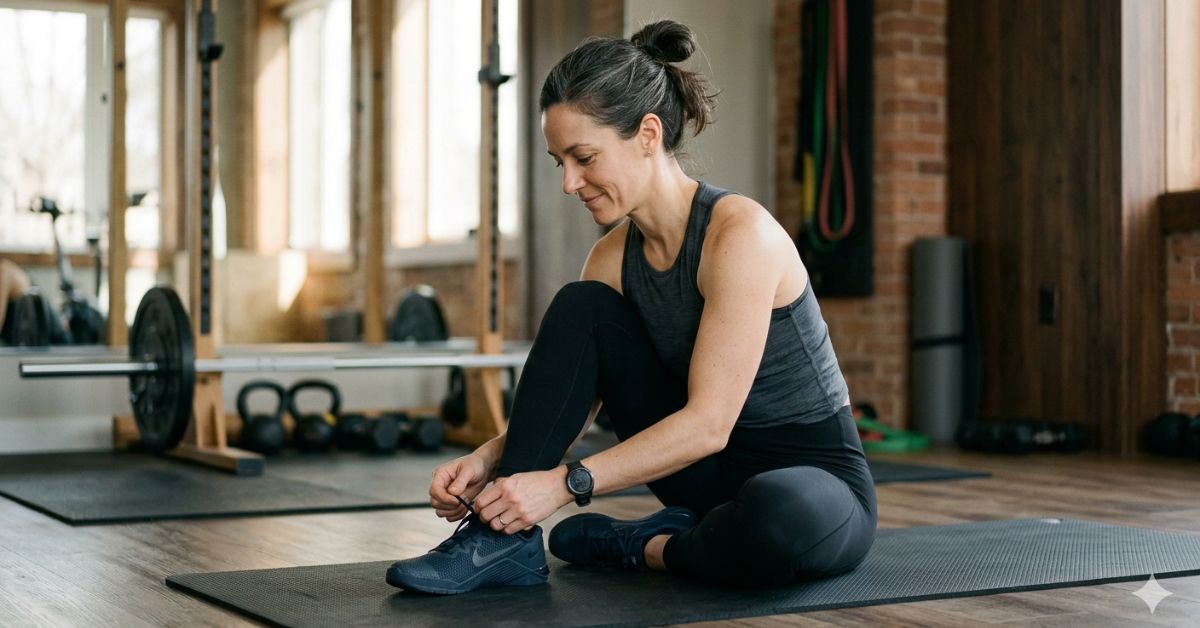
A 40-year-old woman tying her training shoes in a private gym studio before starting a session.

Rebuilding Strength After Years Behind a Desk

You used to be strong. Then a decade behind a desk quietly chipped away at it, and now the stairs, the yard work, and the end of a long day all feel heavier than they should.

You’re not imagining it, and you’re not alone in feeling it.

If that’s exactly where you are, the situation is far more fixable than it feels. The strength you’ve lost to sitting is the kind that comes back.

This guide covers what desk work does to the body, how to rebuild what it took, and how to start again without repeating whatever caused your last attempt to fall apart.

What Years at a Desk Do to Your Strength

Sitting for most of the day gradually weakens the muscles that keep you powerful and upright. The glutes stop firing, the hips tighten, and the upper back rounds forward.

You may not notice it happening in the moment. It tends to show up later, as a stiff lower back or shoulders that feel locked up by mid-afternoon.

That combination is the quiet driver behind a lot of nagging lower-back and posture problems. It’s not age doing the damage so much as inactivity.

The afternoon energy crash is part of the same story. Muscles that rarely get challenged stop contributing to your daily stamina.

None of this is permanent. The body responds to training at any point, and the muscles dulled by sitting are the first to wake back up.

Office worker experiencing posture problems from prolonged desk sitting

How to Rebuild Strength After a Desk Job

Rebuilding starts with compound movements that train the patterns desk work erodes. Hip hinges and squats reactivate the glutes, while rows restore the upper back and pull the shoulders out of that hunched position.

Carries and core work rebuild the stability that keeps you strong and pain-free under load. These are the movements that translate directly into real life.

Even a few minutes of focused core and carry work each session adds up to a noticeably steadier midsection over time, especially when it’s paired with the bigger compound lifts.

The point isn’t to chase a number on a bar. It’s to make everyday effort feel easy again, from lifting a bag into an overhead bin to keeping up with your kids.

At LUX, that work happens in one focused 30-minute session a week on ARX equipment, which adjusts resistance to match your effort through every rep. That single weekly session is enough to keep driving progress, since consistency matters far more than intensity when you’re just getting back into training.

Progress tends to arrive faster than people expect. Many notice steadier energy within the first few weeks and meaningful strength gains over the following couple of months.

Why Recovery Matters When You're Rebuilding Strength

Rebuilding strength after years of sitting puts real demands on a body that hasn’t moved much in a while. Recovery is what allows those demands to actually turn into progress instead of extra fatigue.

Sleep Is the Biggest Lever

Sleep is the biggest lever most people overlook. A body that’s under-rested struggles to repair the muscle it just trained, no matter how well-designed the workout was.

Movement Between Sessions

Movement on the days between sessions matters too. A short walk or some light stretching keeps the joints and muscles you’re rebuilding from stiffening back up, rather than tightening further between visits, and it doesn’t need to be structured to count.

Pacing and the Long Game

This is also why pacing matters more than pushing hard early on. A body that’s spent years sitting needs a gradual ramp, not a sudden jump back into intensity, especially in the first few weeks of a new routine.

Give the process a little time before judging it. Strength tends to return in a fairly predictable order, with energy and mobility improving first and visible strength following as consistency builds week over week.

None of this means training has to feel fragile or overly cautious. It means the plan accounts for recovery the same way it accounts for the workout itself, so the two work together instead of against each other. Rebuilding strength now also pays off well beyond the next few months. The stronger, more resilient body you build today is the same one that carries you comfortably through the decades ahead, which is really the point of doing this in the first place.

Coach guiding compound movement to rebuild functional strength safely

Why Efficient Training Is Easier to Sustain

Most people who fell off a fitness routine didn’t lack discipline. They lacked a plan that fit a demanding schedule.

Hour-long sessions five days a week rarely survive contact with a busy career. That’s precisely why so many good intentions quietly fade by February.

A focused, efficient approach solves that. One structured weekly session delivers the results without demanding hours you don’t have.

That’s also why LUX runs on an appointment-based model rather than a walk-in gym. Your weekly session is reserved in advance, so it’s protected on the calendar like any other commitment.

When training respects your time, it stops being the thing you cut when work gets loud. Sustainability, not intensity, is what separates lasting strength from another false start.

Starting Again After You've Failed Before

Plenty of people hesitate to restart because they’ve quit before. That history isn’t a character flaw, and it isn’t a reason to expect the same outcome.

In fact, learning what didn’t work last time is often the most useful information you can bring into a new plan.

Most past attempts collapsed for practical reasons: no guidance, too much volume, or a program that ignored a busy life. Fix those, and the story changes.

Coaching removes the guesswork that derails beginners and returners alike. A private setting removes the crowd and the ego, leaving you free to focus on rebuilding.

Female personal trainer coaching a woman during a strength training workout in a clean private fitness studio,

A Note From Coach Ben Cluff at LUX Fitness

“A lot of the people I work with walk in a little frustrated with themselves,” says Ben Cluff of LUX Fitness in Franklin. “They remember being strong, and they can’t figure out where it went. Almost always, the answer is a desk and a schedule, not their body giving up on them.”

“Once we build training around their real life instead of some ideal version of it, they stick with it,” he adds. “And when they stick with it, the strength comes back. It’s honestly one of the most satisfying things to watch.”

Frequently Asked Questions

How do you choose the right personal trainer in Franklin?

The exercises matter less than showing up consistently. One structured weekly session, built around compound movements like hip hinges, rows, and carries, is enough. What separates people who successfully rebuild strength from those who don’t is rarely intensity. It’s simply keeping that one session every single week.

Is it too late to rebuild strength after a sedentary job?

No. Muscle responds to training at any age, and the strength lost to a desk job tends to return quickly once you start. How long you’ve been inactive matters far less than simply beginning and staying consistent.

How often should I train to rebuild lost strength?

One focused 30-minute session per week is enough for most people to rebuild strength lost to a sedentary routine. That single session, done consistently, challenges the muscles enough to drive progress while leaving plenty of time to recover, which is when strength is actually built.

How long until I feel stronger after starting?

Consistency drives the timeline more than anything else, including age or how long you’ve been inactive. Someone who keeps every weekly session tends to feel the difference faster than someone with a more sporadic schedule, even if the workouts themselves are identical. Missing sessions, not the program, is what slows results down.

Why do my past attempts at getting fit never last?

Most past attempts weren’t abandoned from a lack of discipline. They were abandoned too early, often within the first few weeks, right before consistency would have started paying off. A single manageable weekly session removes the burnout that usually causes people to quit early, so there’s less to walk away from in the first place.

Ready to Start Rebuilding Your Strength?

The strength you built years ago didn’t vanish for good. It’s waiting for a plan that fits the life you actually have.

If you’re ready to rebuild it, our strength training for men in Franklin program helps you start in a way that lasts, and our guide to strength training for seniors shows how these same habits keep paying off for decades.

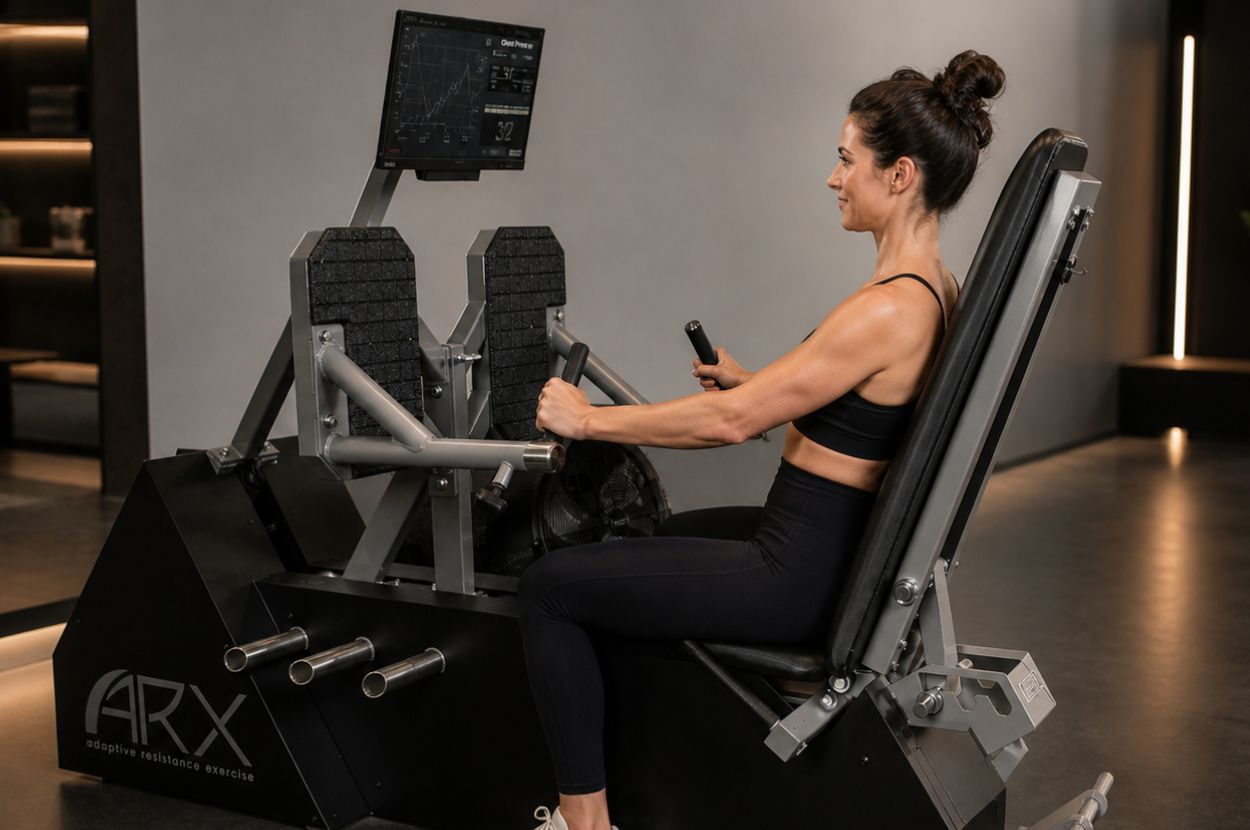
Woman using adaptive resistance fitness equipment during a training session.

Does Strength Training Make Women Bulky? Why It Won’t (and What It Actually Does)

If you’ve ever avoided the weight room because you were afraid of getting “too big,” or found yourself wondering whether strength training makes women bulky, that instinct makes complete sense. It’s exactly what women were told for decades.

Here’s the reassuring truth: the bulky look most women worry about is remarkably hard to achieve, and it doesn’t happen by accident. What lifting actually delivers is something most women are genuinely after.

Once you understand why, that old fear tends to lose its grip fast.

This article unpacks where the myth came from, what the science really says, and what happens to a woman’s body when she trains for strength. By the end, you should have a clear, honest picture instead of a decades-old assumption.

Where the "Lifting Makes Women Bulky" Myth Comes From

For years, fitness marketing pushed women toward cardio and light, pink dumbbells while framing barbells as a men’s domain. That messaging created a fear that has very little to do with how bodies actually respond.

The reality comes down to physiology. Women produce a fraction of the testosterone men do, which makes building large amounts of muscle a slow and deliberate process rather than an accidental one.

The heavily muscled physiques people picture take years of specialized training, precise nutrition, and often more than that. It is not something that sneaks up on you after a few months of training.

Most women who train consistently for months notice more strength and shape, not size.

Adult client exercising at home with resistance bands, dumbbells, and a yoga mat in a clean living room

Does Strength Training Make Women Bulky? The Honest Answer

No, at least not the way the fear imagines it. Building noticeable size is difficult even for people actively trying and nearly impossible to stumble into.

Instead of adding bulk, strength training builds lean, defined muscle. That’s the toned, capable look most women describe when they picture their goal.

You would have to train very specifically, eat in a deliberate surplus, and keep it up for years to approach a “bulky” physique. For the vast majority of women, that outcome simply isn’t on the table.

What Strength Training Actually Does for Women

The benefits run far deeper than appearance. Lifting increases bone density, which becomes especially important for women’s long-term health and independence, particularly as the years go on.

Strength work also supports a faster metabolism, steadier energy, and better everyday function. Tasks like lifting a child or hauling luggage simply stop feeling like a struggle.

That kind of everyday capability tends to matter more over time than any number on a scale.

There’s a mental side too. Many women describe a real boost in confidence and a drop in daily stress once strength becomes part of their routine.

Why "Toned" and "Strong" Are the Same Goal

The word “toned” gets treated like a separate goal from “strong,” but they describe the same outcome. Visible tone is simply lean muscle that has been developed through resistance.

You can’t firm up a muscle you haven’t strengthened. That’s why light, endless repetitions rarely deliver the shape women say they want.

Meaningful resistance is the missing piece for most women who feel stuck despite putting in the effort.

Challenging your muscles with meaningful resistance is what creates definition. Done consistently, it reshapes how your body looks and how it performs. The change tends to show up gradually, which makes it far easier to sustain than a crash approach.

How to Start Without Feeling Intimidated

Starting doesn’t require a bootcamp or a punishing schedule. For most women, just one focused session each week is enough to build real, lasting strength.

A private, appointment-based studio makes those first sessions far less daunting. There’s no crowded floor and no sense of being watched while you learn.

That privacy tends to matter more than people expect. It’s easier to ask questions, adjust your pace, and actually enjoy the process when no one else is around.

A coach handles the programming, guides your form, and adjusts the resistance to match where you are today, using LUX’s ARX adaptive resistance technology to fine-tune that load in real time. That support is what turns a nervous start into a sustainable habit.

Female personal trainer coaching a woman during a strength training workout in a clean private fitness studio,

What a Typical Strength Training Session Looks Like

Warming Up and Learning the Movements

A session usually starts with a short warm-up to get blood moving to the muscles you’ll be training that day. From there, your coach walks you through each movement so your form feels solid before any real resistance is added.

The Main Strength Work

The main portion of the session centers on a handful of foundational movements, things like squats, presses, and rows, chosen to build strength across your whole body rather than isolate one area. Your coach adjusts the resistance to match how you’re feeling that day, so you’re always working hard without being pushed past what’s safe or sustainable.

Cooling Down and Staying Consistent

Most sessions wrap up with a few minutes to cool down and reset before you head back into your day. Nothing about the format is designed to leave you flattened or dreading your next visit.

Because sessions are one-on-one, there’s no guessing what to do next and no waiting around for equipment. You simply follow the plan your coach built around your goals, session after session, until strength starts to feel like second nature rather than a chore.

The pace stays realistic too. Your coach tracks how you’re progressing and adjusts the plan over time, so the sessions that felt challenging in week one still feel appropriately challenging months later.

A Note From Coach Ben Cluff at LUX Fitness

“I’ve lost count of how many women have told me they were scared lifting would make them bulky,” says Ben Cluff of LUX Fitness in Franklin. “What actually happens is the opposite of what they feared. They get leaner, stronger, and far more confident in how they move.”

“The women I coach aren’t chasing a bodybuilder’s physique, and they’re never at risk of stumbling into one,” he adds. “They want to feel strong and capable in their own lives, and strength training is the most direct way there.”

How to Find a Personal Trainer in Franklin

Does strength training make women bulky?

No. Women’s lower testosterone levels make large muscle gains very difficult and slow, so lifting won’t bulk you up by accident. Instead, it builds lean, defined muscle, which is the toned look most women are actually working toward.

How many days a week should a woman strength train?

Just one focused session a week is enough for most women to build meaningful strength. Because each session is coached one-on-one and built around efficient, high-intensity resistance training, a single weekly visit delivers a complete, whole-body stimulus, leaving the rest of the week free for recovery and everyday life.

Will I bulk up if I lift heavy weights?

Very unlikely. Lifting heavier builds strength and definition, not size, for most women, because meaningful bulk requires years of specialized training and deliberate eating. A coach progresses the weight gradually so you’re challenged without ever being pushed beyond what’s safe.

Is strength training or cardio better for women who want to lose fat?

Strength training has a lasting edge because building lean muscle raises your resting metabolism. Cardio burns calories during the session, but muscle helps your body use more energy around the clock, which supports fat loss over time. The two aren’t opposites, but strength work is what makes the biggest long-term difference.

How to Find a Personal Trainer in Franklin at LUX Fitness

Most people don’t need more information. They need a clear starting point. That’s what the first session at LUX is for.

It’s private, structured, and focused entirely on you. You’ll understand how training works, what your plan would look like, and whether it actually fits your schedule and goals.

If you’re still exploring, our personal trainer in Franklin, TN page breaks down the bigger picture of how we train and who it’s built for.

Our Location: 330 Mayfield Dr., Franklin, TN 37067

Is it safe to start if I've never lifted before?

Yes. With proper coaching and gradual progression, strength training is one of the safest ways to move and build resilience. Starting in a guided, private setting makes it even safer because form is corrected before habits set in.

Ready to Start Strength Training With Confidence?

Strength training won’t hand you a body you didn’t ask for. What it will do is make you leaner, more capable, and more confident in how you carry yourself day to day.

If you’re ready to begin, our strength training for women in Franklin program helps you start at your own pace, and you can see how the same principles apply in our guide to rebuilding strength after a desk job.

Adult client exercising at home with resistance bands, dumbbells, and a yoga mat in a clean living room

How to Start Strength Training When You’ve Never Lifted a Weight

Maybe you’ve told yourself you’ll begin once you get in a little better shape first. If that sounds exactly like you, you’re not behind, and you’re definitely not alone.

Most people who show up for their first strength training session have never touched a barbell in their life. The good news is that learning how to start is far simpler and far less intimidating than the internet makes it look.

This guide walks through what those first workouts actually involve, what the early weeks feel like, and how a private studio removes the parts that usually scare people off. By the end, you’ll have a clear, honest picture of what those first sessions look like, without the guesswork or the gym-floor anxiety that usually keeps people stuck on “someday.”

How to Start Strength Training From Scratch

At its core, strength training means asking your muscles to work against resistance so they adapt and get stronger. That resistance can come from a machine, a dumbbell, or even your own bodyweight.

When you’re brand new, you don’t need a complicated program or dozens of exercises. A well-built routine covers a few foundational movement patterns: pushing, pulling, squatting, and hinging.

Those patterns train every major muscle group without overwhelming you. Done well, just one focused session a week is enough to build real strength early on.

The goal in your first weeks is not to lift heavy. It’s to learn how each movement feels, groove clean technique, and build the confidence that keeps you coming back.

Client reviewing strength progress metrics with a personal trainer inside a private fitness studio

Why Your First Workouts Are Easier in a Private Setting

The hardest part of beginning is rarely the workout itself. It’s the fear of doing something wrong in front of a room full of people who look like they already know what they’re doing.

A private studio takes that pressure off the table. There’s no crowded floor, no waiting for equipment, and no audience watching you learn.

That privacy isn’t just about comfort. It also means every minute of your session goes toward your training instead of waiting your turn.

Instead, a coach guides every rep and adjusts your form in real time, often using ARX, adaptive resistance equipment that adjusts to exactly how much force you’re applying as you move. That kind of attention is how good habits get built before bad ones ever have a chance to.

For someone just getting going, this setting also makes each session efficient. You spend your time training with intention rather than wandering between machines wondering what to do next.

That efficiency matters most for people balancing training with work and family, since a session with no wasted time is easier to keep showing up for. If you are wondering whether a short session is enough, here is whether a 30-minute strength workout is enough.

What to Expect in Your First Few Weeks

Your first session usually starts with a conversation, not a workout. A coach learns your history, any aches or past injuries, and what you want strength to help you do.

From there, you’ll move through a small set of exercises at a comfortable effort level. The early sessions are about mastering the motion, not testing your limits. If you usually stretch first, here is whether you need to stretch before lifting.

Over the following weeks, the resistance climbs gradually as your body adapts. This slow, deliberate progression is what keeps training safe and sustainable rather than punishing. Feeling a little sore along the way is normal, and here is what soreness after strength training means.

Many new lifters notice everyday tasks feeling easier within the first month. Carrying groceries, climbing stairs, and getting up off the floor start to take less out of you. Here is a fuller look at how long it takes to see results from strength training.
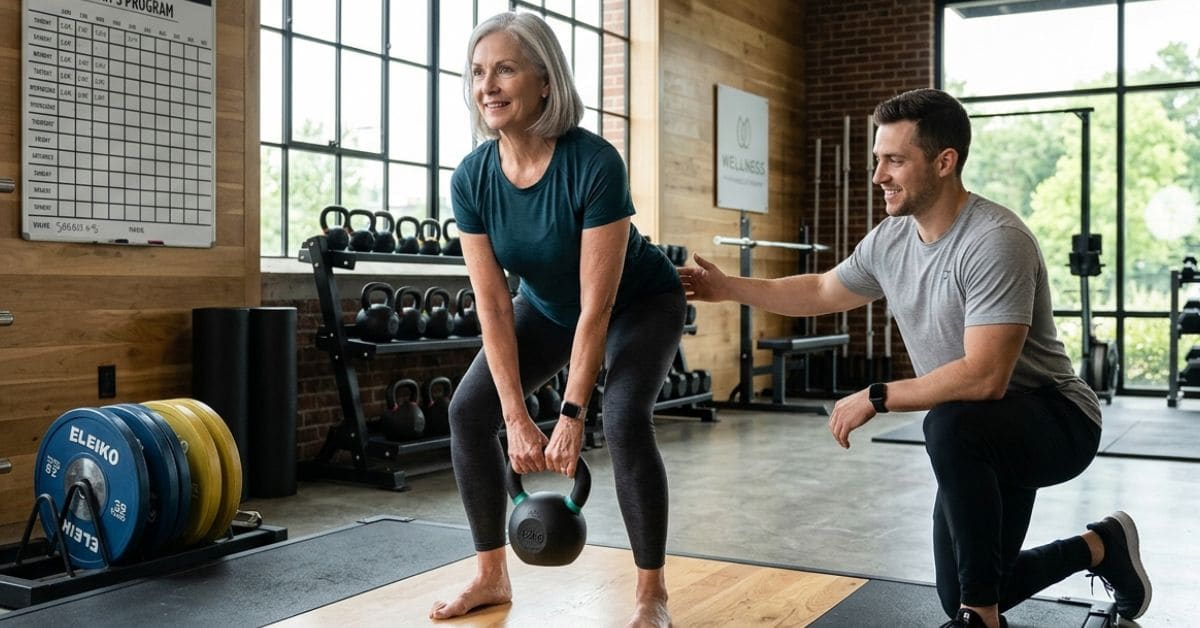
Those small wins tend to compound, building the kind of everyday strength and independence that pays off for decades, not just for a season. And if progress ever stalls, here is how to break through a strength training plateau.

Small Habits That Make Your First Month Easier

A few simple habits make the difference between a first month that sticks and one that fizzles out. None of them require overhauling your life.

Getting enough sleep matters more than people expect. Your body does most of its adapting and repairing overnight, so consistent rest supports the progress you’re making in the studio. Here is more on how sleep affects muscle recovery.

Staying hydrated and eating enough protein throughout the day also helps your muscles recover between sessions. You don’t need a strict diet plan, just consistent attention to the basics.

Scheduling your sessions like any other commitment on your calendar removes the guesswork of “finding time.” Treating strength training as a fixed appointment, rather than something you’ll get to if the week allows, is often what separates people who stick with it from those who don’t.

None of this needs to be perfect. Showing up consistently, even on the weeks when life is busy, matters far more than any single “ideal” habit.

A coach can help you build these habits into a routine that actually fits your week, rather than one more thing competing for your time.

The Fears That Keep New Lifters From Starting (and Why They Fade)

“I’m too out of shape to start” is the most common thing coaches hear. In reality, being new is exactly the point of beginner-friendly training.

Others worry they’ll get hurt. With proper coaching and gradual loading, lifting is one of the safest ways to move your body, and it tends to make you more resilient over time.

There’s also the fear of looking foolish. In a private studio, that concern disappears quickly because the only person in the room with you is there to help.

The truth is that confidence isn’t a prerequisite for starting. It’s a byproduct of showing up, and it grows faster than most people expect.

A Note From Coach Ben Cluff at LUX Fitness

“Almost every new lifter I meet apologizes for their fitness level before we even begin,” says Ben Cluff of LUX Fitness in Franklin. “I always tell them the same thing: your starting point is just information, not a verdict.”

“What I see over and over is that the people who feel the most intimidated on day one often become the most consistent,” he adds. “Once the guesswork and the crowd are gone, training stops feeling like something to dread and starts feeling like something you look forward to.”

Frequently Asked Questions

How do I start strength training if I've never lifted before?

Start with a few foundational movement patterns: pushing, pulling, squatting, and hinging, at a light, comfortable effort, ideally under a coach who can guide your form. Focus your first weeks on learning the movements well rather than lifting heavy, then add resistance gradually as your body adapts.

How often should a beginner strength train?

One focused session per week is plenty when you’re just starting out. That single session gives your muscles enough stimulus to grow stronger, while the rest of the week lets your body recover and adapt, which is when the real strength-building happens.

Do I need to already be fit before I start?

No. Beginner-friendly training is designed for people starting from zero. A good coach meets you at your current level and scales every exercise to match it, so fitness is the result of training, not a requirement to begin.

Will starting strength training make me sore all the time?

Some mild soreness is normal in the early weeks as your body adapts, but it should never be severe. A properly paced program builds up gradually, so you feel worked rather than wrecked after each session.

How long until I see results?

Most new lifters feel everyday movements getting easier within three to four weeks, and visible changes tend to follow over the next couple of months. Strength gains often show up first as increased energy and improved daily functioning.

Ready to Take the First Step?

Learning how to start strength training doesn’t require a perfect body, a lifetime of gym experience, or a burst of motivation you’re waiting to feel. It just requires a first session and a coach who meets you where you are.

If you’re ready to begin, our strength training for beginners in Franklin program walks you through it step by step, and you can keep reading about whether strength training makes women bulky if that’s a question on your mind.

Healthy professional adult performing cardio exercise on a treadmill

Strength Training for Fat Loss: Why Lean Muscle Beats Cardio for Body Composition

You’re putting in the work. Early alarms. A few runs squeezed into the week. You’ve cleaned up the way you eat more than once. So you step on the scale and the number’s down. Good news, right?

Except it doesn’t really feel like much has changed. The mirror looks about the same. Still a little soft in the spots you were hoping to firm up. Lighter, maybe, but not different.

It’s a frustrating place to be, because on paper you’re doing everything right. Here’s what nobody tells you. Reshaping your body isn’t really about the scale at all. It’s about muscle, and strength training for fat loss does something cardio and dieting alone just can’t.

Why the Scale Drops but Your Body Doesn't Change

Weight loss and fat loss get talked about like they’re the same thing. They’re not, and the difference is the whole story.

When you drop weight with cardio and a smaller plate, your body doesn’t politely burn fat and leave everything else alone. It’ll pull from muscle too, especially when nothing’s giving it a reason to hold onto that muscle.

So the number falls. But part of what left was the very tissue that gives you shape and strength. That’s why you can weigh less and still feel kind of undefined. People call it “skinny fat.” Ugly phrase. Still, it nails the problem.

What you’re really after isn’t a lower number on a scale. It’s recomposition: less fat, more lean muscle, a body that genuinely looks and moves differently. Different goal, different game.

A healthy adult's upper back and shoulders showing natural muscle definition

Why Cardio Alone Falls Short for Fat Loss

None of this means cardio is the enemy. It burns calories, it’s good for your heart, and it has a real place. The trouble only starts when it’s the one and only tool you’re using.

Cardio doesn’t give your body much reason to keep muscle around, and muscle is expensive to maintain. If nothing’s signaling “we need this,” your body is perfectly willing to let some of it go. So you lose weight, and a chunk of what you lose is strength and structure.

Over time the math turns against you. Less muscle means a lower burn at rest, so the same routine stops paying out the way it did. That’s the wall people hit: more cardio, less food, more effort, and the mirror still won’t move.

How Strength Training Changes Your Body Composition

Strength training flips the script. Now your body has a reason to keep the muscle it has, and even add a bit, while fat comes down. That combination is what changes how you look, not just what you weigh.

Muscle isn’t just an athlete thing. It’s living tissue, and it costs energy simply to exist. Carry a bit more of it and you burn a little more all day, even sitting on the couch. Then there’s the afterburn. Train hard enough and your body keeps repairing for hours, still working long after you’ve driven home.

This is where the change you can actually see comes from. You don’t just shrink. You firm up. You look more put-together, more defined. The shape in the mirror finally starts to match the work you’ve been putting in.

What Efficient Strength Training for Fat Loss Looks Like

Most people picture strength training as marathon gym sessions, intimidating barbells, and a lot of standing around wondering what to do next. It honestly doesn’t have to be any of that.

What it comes down to is effort, structure, and showing up. That’s the whole recipe. It’s also what working with a personal trainer for weight loss comes down to.

At LUX Fitness, training is built around focused one-on-one sessions on adaptive resistance. The machine matches your effort rep for rep, so the resistance stays exactly where it should be: hard, but controlled. It’s the same idea behind our strength training for weight loss support in Franklin.

No guessing. No wandering the floor. No “okay, what now?” Just clean, direct work. And because it’s structured, you’re not stuck there for two hours. You do what matters, then you leave.. That’s the only version of this that survives a full calendar.

What to Expect as Your Body Changes With Strength Training for Fat Loss

Early on, it’s subtle. You don’t wake up transformed. But you start noticing the little things. Jeans fit a bit better. Your energy holds steadier through the afternoon. Normal daily stuff stops wiping you out the way it used to.

Then the strength numbers start climbing. Slow at first, then steadier, and that part is genuinely hard to ignore. It also reframes how you think about progress. It stops being “I hope this is doing something” and becomes “I can see it on paper.”

That’s what keeps people going over the long haul. Not a burst of motivation. Feedback they can actually point to.

Common Concerns About Strength Training for Fat Loss

The big one: “I don’t want to get bulky.” Totally common, and also not how it tends to work. Getting noticeably big takes years, a lot of food, and very deliberate training. What most people actually get is shape and tone — a more solid, athletic look.

Then there’s time. Fair concern, everyone’s stretched thin. But strength training doesn’t have to take over your week. Keep the sessions structured and efficient and you get real work done without living at the gym.

Starting from zero? That’s not a problem; it’s honestly the best place to begin. You just want guidance so you’re not guessing your way through it. Old injuries or cranky joints? Common too, and controlled resistance is usually kinder to the body than pounding out high-impact cardio anyway.

Strength Training for Fat Loss in Franklin, TN

LUX Fitness is a private strength studio in Franklin, TN. Not a big-box gym — no crowds, no noise, no standing around figuring out the next machine. You show up, you train with a coach, and you leave knowing you did something that actually moves the needle.

For busy professionals around Franklin and the greater Nashville area, that structure is usually the thing that finally makes consistency click.

Frequently Asked Questions

How long does it take to see fat loss results from strength training?

Most people feel it before they see it. Energy and the way your clothes fit usually shift inside four to six weeks. The visible body-composition change tends to follow over the next two to three months, since reshaping your body is a steadier process than dropping water weight on a crash diet.

Do I still need to do cardio if I strength train for fat loss?

Not for the fat loss itself, though a little cardio is great for your heart. Strength training protects the muscle that keeps your metabolism humming, so it can be the foundation of the plan, with cardio playing a supporting role rather than the lead.

Will strength training make me look bigger before I look leaner?

For most adults, no. Real size gains take years of dedicated training and eating. What you’ll usually see is a firmer, more defined shape as fat drops and your muscle sticks around.

How many days a week of strength training do I need to lose fat?

Fewer than you’d guess. With enough effort and smart exercise choices, even one or two focused sessions a week can drive real change — which is exactly what makes it realistic on a packed schedule.

Is strength training safe if I am significantly overweight or new to exercise?

Yes, when it’s coached and the resistance is controlled. Guided strength work lets a beginner build inside safe ranges of motion, and it’s often easier on the joints than high-impact cardio when you’re carrying extra weight.

Build a Stronger, Leaner Body at LUX Fitness in Franklin, TN

Fat loss that actually sticks isn’t about grinding out more cardio or eating less and less until you’re miserable.

It’s about building muscle, keeping it, and letting your body work with you instead of against you.

Strength training does that, and when it’s simple, structured, and time-efficient, staying consistent gets a lot easier than most people expect.

If you want a smarter way to change your body composition, our physical fitness program in Franklin, TN lays out how we approach it.

Active adult age 65-75 performing a supervised strength training exercise in a premium private fitness studio

Strength Training for Seniors: A Smarter Approach to Staying Strong, Mobile, and Independent After 60

The jar lid won’t budge the way it used to. You take the stairs a little slower. Getting out of a low, soft chair needs a hand on the armrest now. That wasn’t true a few years back..

It’s easy to file all of that under “getting older” and move on. But more often than not, it’s muscle quietly slipping away. And that’s the one thing strength training for seniors can actually push back on.

Staying strong after 60 isn’t about chasing the body you had at 30. It’s about keeping the one you have now capable, so you can keep doing the things that make your days yours.

Why Strength Matters More After 60

Somewhere in your 40s, the body starts shedding muscle on its own. The technical name is sarcopenia, and left alone it just keeps going. A little less strength each year. A little less balance. A little less confidence to go with it.

Here’s the better news. Strength training is the most direct way to slow that slide, and often claw part of it back. You rebuild muscle, you give your joints more to lean on, and you keep the engine that runs everyday movement from idling down.

None of this is about lifting heavy for the sake of it. It’s about hauling groceries in from the car, getting down on the floor with a grandkid and back up again, and moving around your own house without having to think about it.

The Real Benefits of Strength Training for Seniors

Study after study lands in the same place: older adults who train against resistance get stronger and move better. Steadier on their feet. More sure of each step. Those aren’t abstract wins; they show up in how easily a normal Tuesday goes.

Stronger muscles also mean better balance, and balance is what keeps a stumble from turning into a fall. Anyone who’s had a bad one will tell you that feeling solid on your feet again is worth a great deal.

There’s more going on under the surface, too. Regular strength work supports bone density and helps your metabolism behave. Different machinery, same payoff: a body that holds up longer.

Is Strength Training Safe for Seniors?

For most people past 60, strength training isn’t just safe, it’s one of the smarter things you can do with your week. The catch is that it has to fit you. The right resistance, controlled movement, and somebody actually paying attention.

That said, this is the season of life to start smart rather than fast. If you’re managing heart issues, high blood pressure, balance trouble, or anything in that neighborhood, talk to your doctor before you begin. It’s a short conversation that’s worth having.

Once you’ve got the green light, coached resistance is about as low-risk as exercise gets. Good form, sensible effort, eyes on you the whole time. That’s what takes the danger out of it.

Why Coached, Controlled Resistance Is Ideal

Big commercial gyms can be a lot. The machines aren’t always kind to older joints, the free weights quietly dare you to grab too much, and nobody’s around to catch a rep that’s gone sideways.

LUX Fitness runs differently. Sessions use ARX adaptive resistance, which pushes back exactly as hard as you push, rep for rep. Hard enough to build real strength, smooth enough that nothing jerks or strains along the way.

Every session is one coach, one client, and a record of what you did. For someone in their 60s, 70s, or beyond, that blend of supervision and precision is what makes training feel less like a gamble and more like a plan. There’s more on how our structured approach works on our physical fitness program in Franklin, TN.

How Often Should Seniors Strength Train?

The standard guidance is muscle-strengthening work twice a week or more. It’s a fine target. Just don’t let it become an excuse to do nothing if twice a week feels out of reach right now.

What moves the needle is showing up consistently, whatever that ends up looking like for you. Plenty of our clients start with one well-run session a week and build from there. One good hour, repeated, beats a heroic effort you never come back from.

What to Expect When You Start Strength Training as a Senior

The first changes are usually the boring, wonderful kind. Standing up out of a chair. Climbing the stairs. Carrying a full laundry basket. Things that had quietly become small negotiations start happening without the negotiation, often inside the first few weeks.

And because every session is tracked, you’re not left guessing whether it’s working. You watch the numbers move. That bit of proof has a way of turning “I should go” into “I want to go.”

Strength Training for Seniors in Franklin, TN

LUX Fitness is a private strength studio in Franklin, TN. No crowds, no wall of strangers, no pressure to keep pace with anyone. Just a calm room, a coach, and a plan built around where you actually are.

For older adults across Franklin and the greater Nashville area, that quiet, one-on-one setting is half the point. Nobody here is trying to outlift the 25-year-old two machines over. The goal is simpler and more durable: keep you strong, steady, and independent on your own terms.

Frequently Asked Questions

Is it ever too late to start strength training?

Honestly, no. People in their 70s and 80s build real strength when they train safely and keep at it. Starting later doesn’t close the door — your muscles, your balance, and your independence still respond.

How heavy do seniors need to lift to benefit?

Lighter than most folks picture. The win comes from challenging the muscle for where you’re at, not from hauling maximum weight. Coached or adaptive resistance keeps that effort right in the sweet spot: useful, never reckless.

Can strength training help with balance and fall prevention?

Yes, and it’s one of the biggest reasons to bother. Stronger legs and a stronger core add up to better balance, and better balance means fewer falls. A lot of clients say feeling steady again is the part they notice first.

Should I talk to my doctor before starting?

If you’ve got any medical conditions, yes — heart disease, high blood pressure, a balance disorder, that sort of thing. Get the all-clear first. After that, coached strength training is generally very safe.

How to Find a Personal Trainer in Franklin at LUX Fitness

Most people don’t need more information. They need a clear starting point. That’s what the first session at LUX is for.

It’s private, structured, and focused entirely on you. You’ll understand how training works, what your plan would look like, and whether it actually fits your schedule and goals.

If you’re still exploring, our personal trainer in Franklin, TN page breaks down the bigger picture of how we train and who it’s built for.

Our Location: 330 Mayfield Dr., Franklin, TN 37067

Will strength training help with arthritis or joint stiffness?

It often does. Building up the muscles around a cranky joint takes pressure off it and makes everyday movement easier. If you have arthritis, train under guidance and follow your doctor’s lead on what’s smart for you.

Get Started at LUX Fitness in Franklin, TN

Aging well isn’t about dodging effort. It’s about staying strong enough to keep living the way you want to.

Coached, controlled strength training is one of the most reliable ways to protect that, and it’s rarely too late to start.

If you’re looking for a safe, supportive place to get going, the team at LUX Fitness in Franklin, TN would be glad to talk it through.

You can learn more on our personal trainer in Franklin, TN page.

Calendar showing a single weekly fitness appointment successfully maintained

How to Stay Consistent With Strength Training When Work and Travel Wreck Your Schedule

Most people don’t struggle with the idea of getting a personal trainer. They struggle with figuring out which one is actually right.

You open a few websites and everything starts to blur together. Same language. Same promises. Same photos of someone mid-squat looking like they’ve got life figured out. Everyone says they offer “custom training” and “real results,” but nothing clearly explains what makes one place different from the next.

So the decision drags on longer than it should.

If you’re in Franklin, TN trying to get stronger, lose weight, or finally build consistency that lasts longer than a few weeks, here’s the reality: the right trainer isn’t just about credentials. It’s about fit, structure, and whether the system actually works for your life.

Below is a simple way to sort through it without overthinking it.

Why It's Hard to Stay Consistent With Strength Training

Most fitness plans quietly assume your calendar behaves.

It doesn’t.

One busy work stretch shows up and suddenly everything shifts. Travel hits and the routine disappears. Then it’s easy to think you’ve “fallen off,” even when nothing is really wrong, you just stepped out of a system that couldn’t flex.

There’s also the intensity trap.

A lot of routines are built like all-or-nothing plans. Four or five days a week. High effort. High expectations. And when you miss a week, it doesn’t feel like a small gap. It feels like you failed. So people restart. Over and over.

That restart cycle is what kills progress.

Real consistency comes from something more forgiving. A plan that bends when life gets loud, instead of snapping the moment it does.

Personal trainer and client reviewing workout performance metrics on a tablet screen after a training session

The Easiest Way to Stay Consistent With Strength Training

If there’s one shift that changes everything, it’s this: shrink the commitment.

Not because you’re doing less. Because you’re doing what you can actually sustain.

One well-built session per week beats a perfect four-day plan you only manage for two weeks at a time. Every time.

A smaller commitment is easier to protect. Easier to reschedule when needed. Easier to keep alive when work gets chaotic or travel hits back-to-back.

And here’s the part people miss, it’s not “less serious.” It’s smarter. It keeps the habit intact through the messy weeks, which is exactly what most programs fail to do.

Once that one session becomes automatic, you’re no longer forcing consistency. You’re just building on it.

Treat Your Session Like a Standing Appointment

Motivation is unreliable. Always has been.

People who stay consistent don’t rely on it. They don’t “see how they feel” each week. They pick a time, put it on the calendar, and treat it like it matters.

Because it does.

Same day. Same time. Every week. No debating it. No daily negotiation in your head about whether today is the day.

That removes a surprising amount of friction. Decision fatigue is real, especially when your work life is already full of choices. If training requires another decision every week, it eventually loses.

This is why structure matters so much in a private, appointment-based setting. The time is already reserved. Someone is expecting you. It’s not optional in your mind anymore, it’s scheduled.

That alone keeps people consistent longer than most motivation strategies ever will.

Adult client exercising at home with resistance bands, dumbbells, and a yoga mat in a clean living room

How to Stay Consistent With Strength Training During Travel Weeks

Travel isn’t the problem.

The absence of a plan is.

Most people treat travel like a full stop. No training, no movement, nothing. Then returning feels heavier than it should. Not just physically, but mentally too.

It doesn’t have to be that way.

You don’t need a full workout when you’re on the road. You just need something simple enough to keep the thread alive. A short bodyweight circuit. A quick hotel gym session. Even 15 to 20 minutes is enough.

It’s not about performance. It’s about continuity.

Because when you maintain even a small version of the habit, you don’t “start over” when you get back. You just slide back into rhythm. That’s the difference between losing momentum and protecting it.

How Structure Helps You Stay Consistent With Strength Training

Willpower works, until it doesn’t.

Usually that happens during the exact weeks you need it most. Heavy workload. Travel. Family demands. Stress stacked on stress.

Structure doesn’t depend on how you feel. It already made the decisions for you.

That’s where coaching changes the game.

At LUX Fitness, the structure is built into the process. Your sessions are scheduled. Your training is mapped out. Your progress is tracked. And you’re not walking in wondering what you should do that day. It’s the backbone of our strength training for busy schedules in Franklin.

You just show up and execute.

No guesswork. No scrambling for motivation. No reinventing the plan every time life shifts.

When the path is clear, consistency stops being a fight. That’s the same thinking behind our weight loss coaching in a private studio.

A 40-year-old woman tying her training shoes in a private gym studio before starting a session.

Progress You Can See Keeps You Going

Consistency gets easier when you can actually see what it’s doing.

Because some weeks don’t feel like progress. You’re tired. Busy. Traveling. Life is loud. The mirror doesn’t change much from Monday to Monday.

But tracked strength does.

When every session is recorded, you see the slow climb. More weight. Better control. Cleaner reps. Even when everything else feels flat, the data tells a different story.

That feedback matters more than people realize. It turns effort into evidence. And evidence is what keeps you showing up when motivation is low.

Staying Consistent With Strength Training in Franklin, TN

Most busy professionals in Franklin aren’t struggling because they don’t care.

They’re struggling because their routine doesn’t fit their life.

LUX Fitness was built around that reality. Private strength training, scheduled sessions, and focused coaching that respects your time instead of competing with it.

No wandering. No guessing. No overcomplicated plans that fall apart the second your calendar gets full.

Just structured training that stays consistent even when life isn’t. For professionals across Franklin and the greater Nashville area, the goal usually isn’t more effort. It’s a system that actually holds up week after week.

Frequently Asked Questions

How long does it take to build a consistent strength training habit?

Most people need about two to three months before training starts to feel automatic. The key during that time is keeping a steady weekly appointment, even when life gets busy, so the habit has time to lock in.

What should I do when I genuinely have no time in a given week?

Do a shortened version instead of skipping. A quick bodyweight session or brief workout keeps the routine alive. It doesn’t need to be perfect, it just needs to happen.

Is it better to train hard occasionally or lightly but consistently?

Consistency wins. Hands down. Regular training over time builds far better results than sporadic intense efforts followed by long gaps.

How do I get back on track after falling off for a few weeks?

Start simple. One easy, scheduled session. Don’t try to “make up” for lost time. Just rebuild momentum with something manageable.

Does working with a coach actually improve consistency?

Yes. A coach removes the daily decision-making and adds accountability. That combination is one of the biggest drivers of long-term consistency in strength training.

Build a Consistent Strength Routine at LUX Fitness in Franklin, TN

Staying consistent isn’t about being perfect or endlessly motivated. It’s about building a system that still works when your schedule doesn’t. When the structure fits your real life, consistency stops being something you chase, and starts being something that just happens. If you want help building a routine around your life, our personal trainer in Franklin, TN page is a good place to start. Related reading: Strength Training for Seniors.

Woman in a focused strength training session in a premium private fitness studio

One Strength Workout Per Week: A Minimum Effective Dose Guide

Some weeks, the calendar just wins. Early meetings, late emails, kids’ schedules stacked on top of work. You think about training — you really do — but by the time a gap opens up, you’re already running on empty.

So the plan quietly becomes “I’ll start next week.” And next week looks exactly like this one.

That’s where a lot of capable people get stuck. Not because they don’t care, but because somewhere along the line they picked up the idea that fitness only counts if it’s frequent, perfect, and fully dialed in. It doesn’t. Minimum effective dose strength training takes the opposite view: for most adults, one well-built session a week is enough to make real progress and hold onto it.

What "Minimum Effective Dose" Actually Means

Minimum effective dose is simply the smallest amount of training that still produces a real change. Nothing more, nothing wasted.

It isn’t about slacking off. It’s about cutting the junk. The filler sets. The busywork. The workouts that mostly exist to fill an hour. When time is tight, quality stops being optional. Effort, control, and actually showing up week after week beat the number of days you logged, every time.

Can Minimum Effective Dose Strength Training Really Work?

Short answer: yes.

And no, this isn’t some trend somebody cooked up last year. Researchers have known for decades that one hard resistance session a week can build strength, in brand-new beginners and seasoned lifters alike, provided the effort is actually there.

If your one and only goal is maximum muscle size, sure, more frequency helps. But most people aren’t chasing a bodybuilding stage. They want to feel strong, move well, and not get winded hauling groceries up a flight of stairs. For that, one serious session a week builds a genuinely solid base.

The thing that moves the needle isn’t how often you show up. It’s what happens once you do. One locked-in hour will out-train three distracted ones, no contest.

Why Effort and Exercise Selection Matter More Than Frequency

When you only train once a week, every movement has to earn its spot.

That means compound work — exercises that hit several muscle groups at once — and effort that actually challenges you instead of just going through the motions. This is exactly where solo plans tend to come apart. Pushing close to your real limit on your own is hard, especially after a long week when you’re tired and your focus is shot. People either leave too much in the tank, or they push too far and let their form fall apart.

Coached, controlled resistance lives right in that middle ground. You get the hard effort without the guesswork, and the safety without having to hold back.

How LUX Structures Minimum Effective Dose Strength Training

At LUX Fitness, the whole thing is designed for people who don’t have time to burn.

Sessions run on adaptive resistance that adjusts to your effort moment to moment, so instead of guessing at weights or quitting early, you reach true working intensity quickly and safely. If you’re curious how that actually feels, here’s what an ARX workout involves.

That changes the experience entirely. No fumbling with plates, no wandering between machines, no filler. Just one focused block where everything has a reason to be there. And because every rep is tracked, progress isn’t a vibe — it’s right there on the screen. You can watch your strength climb week to week off a single visit. It’s the backbone of our one workout per week strength training in Franklin.

What to Expect From a Once-Weekly Routine

Most people are a bit surprised, early on, at how manageable it feels.

One appointment a week doesn’t fight your schedule; it slots into it. That alone makes staying consistent easier than anything they’ve tried before. Then, a few weeks in, something quieter happens: the strength starts showing up outside the gym. Groceries feel lighter. Stairs stop registering. There’s a bit more left in the tank at the end of the day.

Nothing dramatic. Just steady improvement that doesn’t ask you to reorganize your life around it. That’s really the whole point. It was never about intensity for its own sake. It’s about something you can keep doing long enough for it to add up.

A 40-year-old woman tying her training shoes in a private gym studio before starting a session.

Who Minimum Effective Dose Strength Training Is Best For

This approach tends to suit a pretty specific person.

Busy professionals who’ve tried the “go hard four days a week” thing and burned out. Parents with no spare hours to gamble on a complicated program. People easing back into training who want something they can genuinely maintain this time.

It isn’t about doing the bare minimum. It’s about doing the right amount, consistently. For a lot of folks in Franklin, that one shift is what finally makes training stick.

Minimum Effective Dose Strength Training in Franklin, TN

LUX Fitness is a private strength studio in Franklin, built for people who are done wasting time in crowded gyms and start-stop programs.

Sessions are booked ahead, fully coached, and efficient from the first rep to the last. You walk in, train with focus, and head out. No noise, no confusion, no waiting on a machine someone else is camped on.

For professionals across Franklin and the greater Nashville area, that simplicity is often what turns fitness from a stressor into something sustainable. One session a week doesn’t look like much on paper. Stack enough of them, though, and it builds into something real.

Frequently Asked Questions

Will I lose strength on the days between weekly workouts?

No. Strength doesn’t evaporate between sessions like that. A well-built weekly workout gives most adults plenty of stimulus to hold their strength and slowly add to it.

How long does one strength session need to be to be effective?

Shorter than you’d think. With focused, high-effort resistance work, a productive session usually lands somewhere around 20 to 30 minutes.

Is once a week enough if my goal is to build noticeable muscle?

Depends on the goal. One session a week is excellent for building strength and keeping muscle. If maximum size is the priority, training more often will generally get you there faster.

What happens if I miss my one weekly session?

An occasional miss won’t derail you. This setup is actually more forgiving than a four-day plan, which is a big reason it holds up so well for busy schedules.

Start Training at LUX Fitness in Franklin, TN

You don’t need a flawless schedule to get stronger. You need something you’ll actually repeat. For most busy adults, that’s one focused session a week, done properly, with guidance that keeps it simple. If you want a routine that fits the life you already have, our personal trainer in Franklin, TN page shows how we approach it.

Ben Cluff June 15, 2026 Gym Read more