Category : Uncategorized

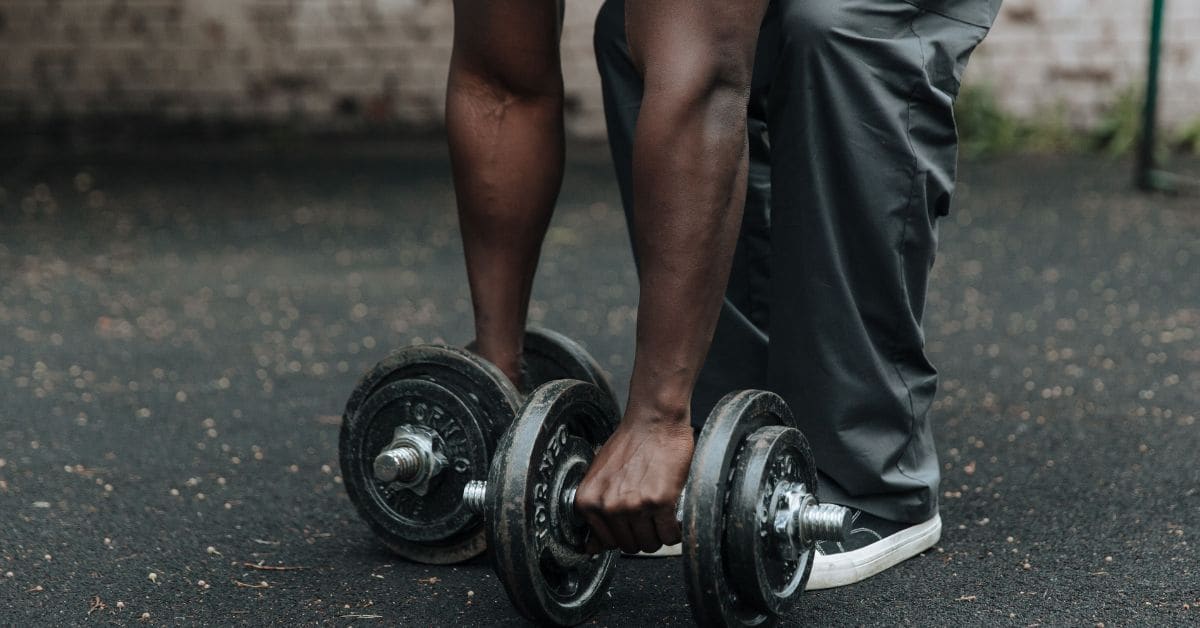
A fit man lifting heavy dumbbells outdoors, focusing on strength training and muscle building.

Is Rucking Enough? How Weighted Walking Compares to Strength Training in Franklin, TN

Saturday morning, and the pack is by the back door again. It’s got a couple of books in it, a gallon jug of water, maybe a bag of rice somebody swore by, and you’ve carried it around the same loop through the neighborhood so many times you could do it with your eyes shut.

Your shoulders ache a little by the second mile and your legs are warm, and somewhere around the mailboxes you start to wonder whether this counts as strength training or whether you’re just taking a heavy walk.

Everyone online seems to think rucking is the answer. It feels like work, no question.

You just couldn’t tell anybody whether you’re stronger than you were last spring.

If you’re weighing rucking vs strength training in Franklin, here’s where we land. Rucking is a good habit and an incomplete strength plan, which is a gap we spend a lot of time thinking about at LUX Fitness.
Is Rucking Enough Compared to Strength Training?

No, not on its own. A loaded pack works your legs, your hips, and the muscles that keep you upright, and it leaves most of your chest and arms along for the ride.

That’s a fine thing for a walk to do. A ruck is built for endurance, which is about how long you can haul a moderate load before you wilt, while strength training is about how much force a muscle can make today and whether it can make a bit more next month.

Those are different questions, and a good answer to one doesn’t answer the other.

So keep your Saturday ruck if you love it. Just don’t let it stand in for your strength plan.

What Rucking Does Well Next to Strength Training

Plenty, honestly. Every step costs a little more with a pack on, and your upper back spends the whole morning holding you tall under the weight.

It’s also about the cheapest hobby there is: a backpack, a loop, and a friend. Bring your spouse and it turns into the one hour of the week when nobody’s looking at a phone, and the best routine is usually the one you’re still doing in March.

The limit is that rucking trains one pattern, walking, under one kind of load, so the muscles that gain most are the ones walking already uses.

What Rucking Misses That Strength Training Covers

Rucking mostly misses pushing, pulling, grip, and hard effort under control, and strength training covers those. Think of the parts of your day with no walking in them.

A heavy door to shove open. A drawer stuck on its runner.

A bag to lift out of the trunk. The pack on your back does very little for any of that, and here’s what it mostly skips:

  • Pushing, which is chest, shoulders, and the backs of the arms
  • Pulling, as in a row, where the back does the work
  • Grip, because the pack sits on your shoulders and your hands just swing along
  • Hard effort, under control, through the full range of motion

That last item matters most. The pack weighs the same on the last mile as on the first, so no muscle gets pushed near its limit, and a muscle that isn’t pushed may have little reason to change.

We wrote up why grip strength matters for the same reason. A pack never asks a thing of your hands.
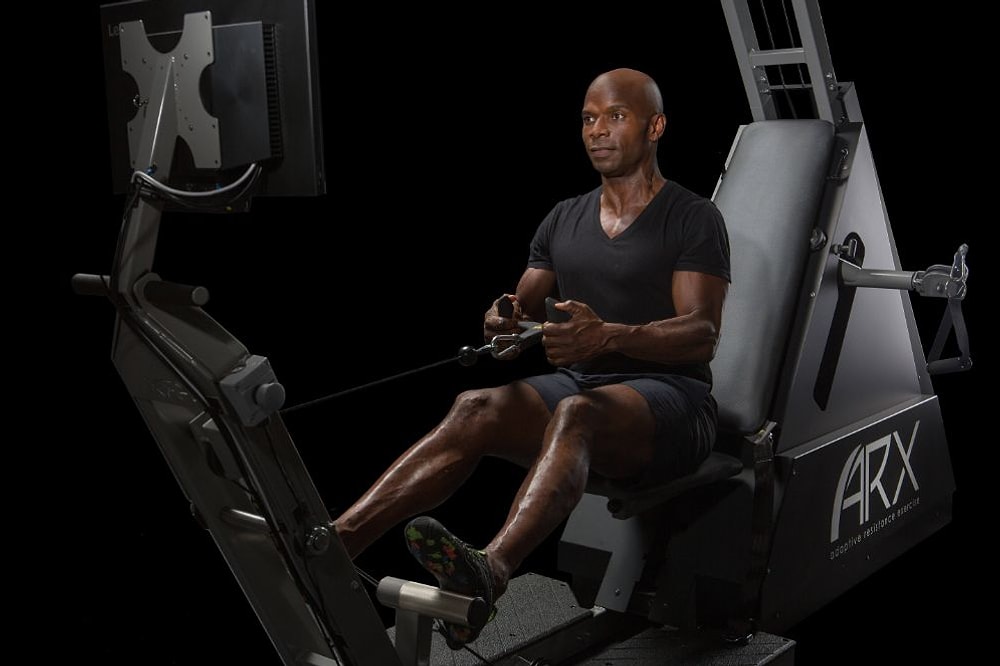
Man doing a seated row on an ARX machine

How Rucking and Strength Training Each Get Harder

Rucking gets harder in one way and strength training in another, and the difference is in who sets the load. Rucking has two dials.

More weight in the pack, or more miles on the loop. That’s the whole menu.

Strength training has more to turn. ARX matches the effort you put in, so as you get stronger the work climbs with you.

Then there’s what you write down. After a ruck you can note the pack weight and the miles.

That tells you what you carried and how far, and a longer walk with a heavier pack is still just a longer walk.

How ARX Strength Training Covers What Rucking Leaves Out

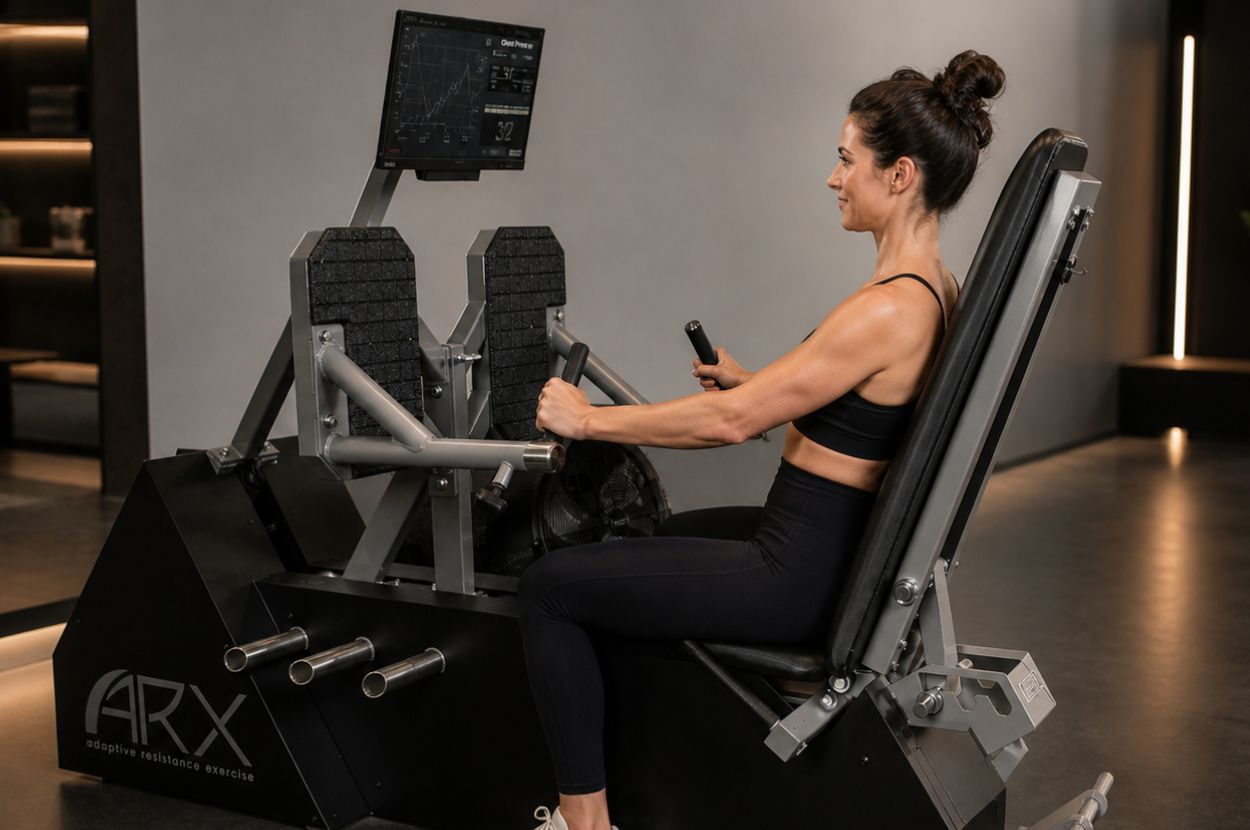
Here’s the difference you’d feel in the first few minutes on an ARX machine. You push, and it pushes back exactly as hard as you do, no more.

(The letters stand for Adaptive Resistance Exercise.) There are no plates to load and no stack of weight waiting to drop on your last rep, so the effort that sets the load is all yours.

Our private studio in Franklin has ARX machines that let you push and pull with your upper body as well as work your legs. That covers the chest, back, and arms a pack leaves out.

Everything is one-on-one, so your coach is standing right there.

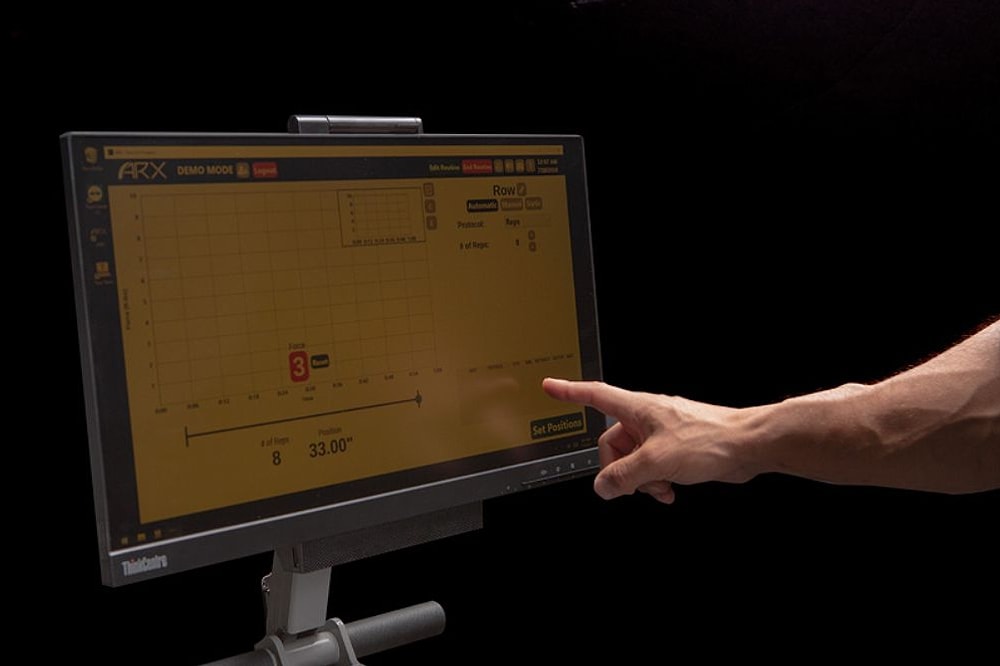
On ARX every rep is measured and the screen shows your effort, a check that a pack on your back can’t give you. That’s a plainer read on a session than “that hill felt easier today.”

Strength is one piece of a healthy routine here, and we’re not a medical practice. If something hurts, or you’ve got a health concern, check with your doctor first.

Frequently Asked Questions About Rucking vs Strength Training in Franklin

Does rucking build muscle?

Some, mostly in the legs and hips. A new rucker often feels it in the thighs the next morning.

A few weeks on, the same pack stops being news. It rarely pushes a muscle close to its limit, and that push can be a big part of what builds muscle.

How heavy should a rucking pack be?

Lighter than you’d guess. Leaning forward or shortening your stride means the pack is too much.

Add weight a little at a time over several weeks. If your back, knees, or feet start to nag, ease off and ask your doctor before adding more.

How can I tell if rucking is making me stronger?

Mostly you can’t. The loop feels easier, and that’s the extent of it.

Pack weight and miles describe what you carried. They can’t say what your muscles can produce, so whether your legs got stronger stays a guess.

What does ARX add that a heavier pack can’t?

Reps that get measured. The screen shows your effort on every rep, so you aren’t left guessing.

A heavier pack just sits on your shoulders and keeps quiet.

Do I need to be strong already to start strength training at LUX?

No. Come as you are.

Tell your coach where you’re starting from at the free intro session. It’s one-on-one, so there’s no room full of people to keep up with, and you don’t need any lifting history.

Choosing Between Rucking and Strength Training

A ruck makes a walk harder, and that has real value. Building strength through your whole body is a different job.

Strength training can reach every major muscle group. It keeps getting harder as you do, and every rep is measured.

If you only have room for one, ask what you’d rather have more of: long steady walks, or strength built on purpose.

If you wonder what your shoulders and back have been missing on those Saturday loops, our wellness center in Franklin starts every new member with a free intro session.

Come see the studio, bring your rucking questions, and ask how a session compares to a Saturday loop. There’s no pressure.

None of this is medical advice. If you have pain or a health concern, check with your physician before adding anything new.

LUX Fitness, 330 Mayfield Dr., Franklin, TN 37067. Phone: 615-282-5882.
Ben Cluff November 15, 2026 Uncategorized Read more
A focused view of a male athlete performing squats in a gym setting, emphasizing fitness and strength.

Cracking Knees and Popping Shoulders: What Joint Noise Means During Strength Training in Franklin, TN

Third rep of a squat, near the bottom, and your knee goes crack. Loud enough that you hear it over the music.

You stop. Half a second, maybe less, but long enough to think, okay, what did I just do?

Nothing hurts. Your coach hasn’t even blinked.

And still the thought sticks around until the next set.

Here’s what we tell people at LUX. Joint cracking during exercise is really common, and a pop with no pain doesn’t say much on its own.

What counts is whatever shows up alongside it. If something feels off, ask your doctor, not us, because we run a strength studio and nobody here is a medical provider.

Fit woman doing a dumbbell push-up in a gym, highlighting strength and fitness training.

Why Do Joints Crack During Exercise?

Usually for one of two ordinary reasons: gas in the joint fluid, or a tendon sliding over a bony edge.

Take the fluid one first. Your joints sit in a little capsule of the stuff, and when you move one through a bigger range the pressure shifts, a bubble forms or collapses, and you get a single sharp pop.

The tendon version sounds different. More of a click or a snap, and it loves to happen in the exact same spot, rep after rep.

There’s also a softer, crunchier noise called crepitus. Knees and shoulders do it the most.

Why Some People Seem Noisier Than Others

Some people are just louder. Your build, what you’ve done with your body over the years, even how long you sat in the car before you walked in.

Two people can feel equally fine and sound nothing alike.

And the noise comes and goes. A knee that was silent for months might start chattering after a long flight and then go quiet again, no explanation.

Why Do My Knees Crack During Squats and Lunges?

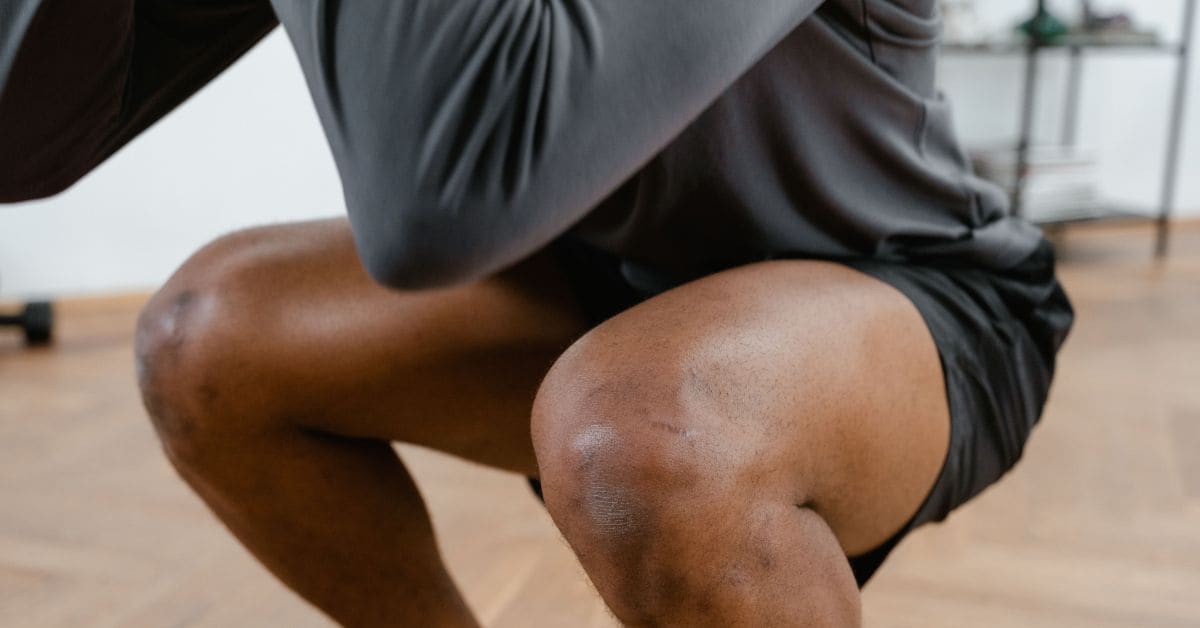
Because a deep bend sends the kneecap a long way up and down the thighbone, so a click isn’t a shock. It’s a lot of moving parts in a small space.

The loud ones usually come early. First few reps, particularly if you’ve been parked at a desk all morning or you just sat through a drive across town.

A few reps in, things warm up and the racket calms down. Not every time, though.

Some knees just stay chatty.

Honestly, your coach isn’t listening for the noise. They’re watching the knee.

Is it tracking over your foot, or drifting in? Does it feel solid under you, or wobbly?

That’s what gets their attention.

Try this at home. Lower yourself into a chair really slowly and see where the sound happens.

Same spot every time, nothing hurts? Mention it at your next session.

And if it keeps bugging you, mention it to your doctor too.

A muscular man performing a weightlifting squat with a coach guiding him indoors.

Why Do My Shoulders Pop During Presses and Rows?

Because the shoulder is shallow, goes in every direction, and has a bunch of tendons running around it. When your arm goes overhead or reaches back behind you, something can shift and click.

Pops tend to show up at the end of the range. Top of a press, bottom of a row, that kind of spot.

When that happens your coach might shorten the movement a little or tilt your arm angle, and often that smooths it out.

Hips, ankles, even the upper back can do it. Same advice for all of them, really.

Pay attention to how it feels, not how it sounds.

When Is Joint Noise During Exercise Worth a Doctor’s Visit?

When it’s got company. The sound alone isn’t the warning sign.

We’re a strength studio, not a medical provider, so this is the point where we hand it to someone who is.

So what counts as company? Pain with the noise, either right then or later in the day.

Swelling or warmth around the joint after a workout. A joint that catches, or locks up halfway through a rep.

A knee or shoulder that feels like it might give out. Any new sound that started after a fall, a twist, or a hit.

Any of those, check in with your doctor or a physical therapist.

We don’t diagnose joint problems, and our coaches won’t try. If one of those signs shows up during a session, tell your coach, skip that movement for the day, and get it looked at before you try it again.

How a LUX Coach Handles Joint Cracking During a Session

Sessions here are one-on-one, by appointment. So when a knee clicks or a shoulder pops, your coach is standing right there.

No guessing.

First question, every time: does it hurt? If not, and the joint is moving fine, you keep going.

Maybe with a little cue to slow down or shift your stance. Honestly, we’d rather hear about a new sound than have you stewing over it through a whole set.

Warming up helps, and plenty of people wonder how much. We wrote a guide on whether you need to stretch before lifting if you want the short version of what a warm-up does.

The machine matters too. We train on ARX, and it pushes back as hard as you push.

So the rep stays smooth, no jerk at the bottom, and your coach can keep it slow and controlled. That’s a big piece of our joint-friendly strength training approach.

Frequently Asked Questions About Joint Cracking During Exercise in Franklin

Should I stop exercising if my knees crack?

No. Not if the cracking doesn’t hurt and nothing else has changed.

Knee noise during squats and lunges is really common. If it does hurt, or the knee feels unsteady, stop that movement and run it by your doctor before you try it again.

Does joint cracking mean I have arthritis?

No, cracking by itself doesn’t mean arthritis, and only a doctor can say what’s going on in a joint. Plenty of people with perfectly comfortable joints are noisy movers.

It’s the pain, the swelling, or the stiffness that won’t go away that’s worth getting looked at.

Is it bad to crack my joints on purpose?

That’s a question for your doctor. We coach strength, we’re not a medical provider.

What we can say is that the sound isn’t the thing to watch. If you keep wanting to crack a joint because it feels tight or off, tell your doctor, and tell your coach too.

Can strength training make joint noise go away?

Not necessarily. Some people say their joints feel steadier once the muscles around them get stronger.

Plenty of joints stay noisy for life and feel totally fine, though. Our goal is comfortable, controlled movement.

If the joint goes quiet too, great, that’s a bonus.

Does joint cracking mean I should lift lighter?

Not on its own. A crack with no pain doesn’t mean the weight is wrong.

Joint feels steady, moves well? The weight can usually stay put.

Once the noise starts showing up with discomfort, that’s when a coach may lighten it or shorten the range.

Training With Confidence at LUX Fitness

Most of the time a cracking knee or a popping shoulder is just a sound you happen to notice. How the joint feels matters way more.

And a coach watching every rep is there to notice the stuff that needs a second look.

If joint cracking during exercise has made you hesitate, come in for a free intro session at our wellness center in Franklin. Come look around, tell us what you’re after, and we’ll explain how sessions work.

That’s all.

No pressure.

None of this is medical advice. If a joint worries you, check with your physician first.

LUX Fitness, 330 Mayfield Dr., Franklin, TN 37067. Phone: 615-282-5882.

Ben Cluff November 15, 2026 Uncategorized Read more
Golfer taking a swing on a sunny day, showcasing leisure and sport on a lush golf course.

Strength Training for Golfers in Franklin, TN: Building a Stronger, More Stable Swing

Most golfers spend their practice time on the range and almost none of it getting stronger. The range grooves your swing, but it’s your hips and upper back that have to hold that swing together from the first tee to the last green.

Get stronger there and your posture and turn hold up better on the back nine. That’s what strength training for golfers at our Franklin studio is built around, with a coach working one-on-one with you on ARX.

What Strength Training for Golfers Adds to Range Time

A bucket of balls is good for timing and feel. It won’t make the muscles behind your swing any stronger, though, because hitting balls never asks more of them than a round already does.

Strength training picks up that slack. Stronger hips and a stronger upper back hold your setup and carry you through the turn with less wobble, so your lessons have something solid to work with.

League regular or a few rounds a season with friends, it’s the same story. The swing asks the same things of your body either way.

Young woman exercising with resistance band in a park during springtime.

Hip Strength for a More Stable Golf Swing

Your hips do two jobs in the swing: they anchor your stance and they power the turn. They load on the backswing, then drive you through the ball while your legs keep you planted.

When the glutes and hamstrings are weak, the lower body sways or slides. Then your hands and arms end up trying to rescue the shot with timing.

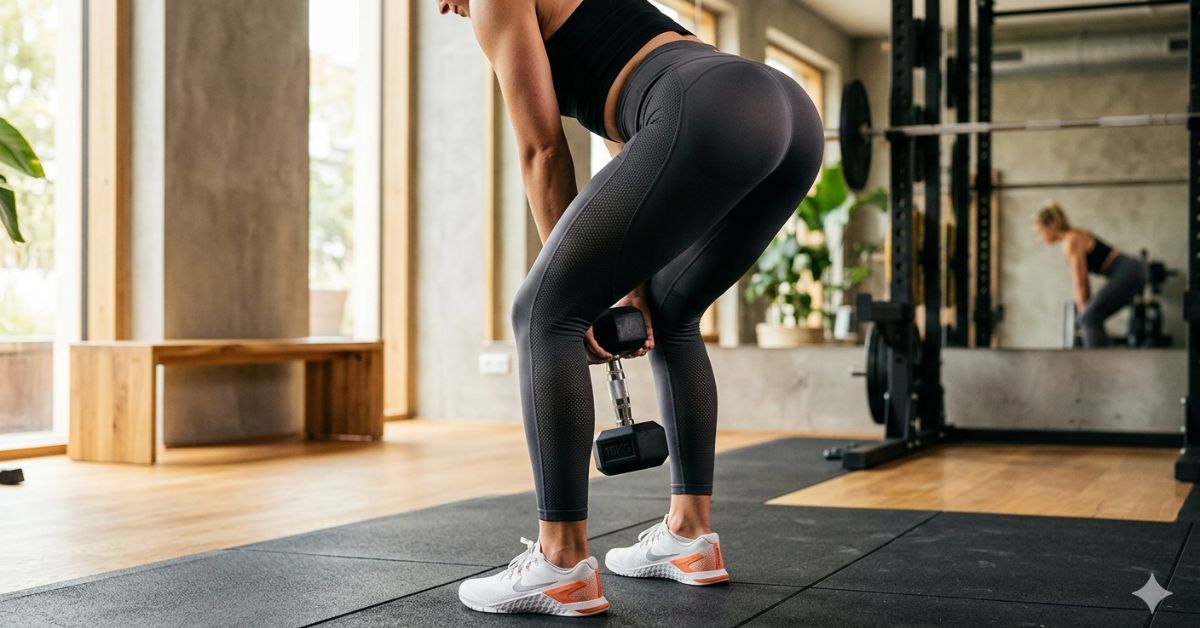
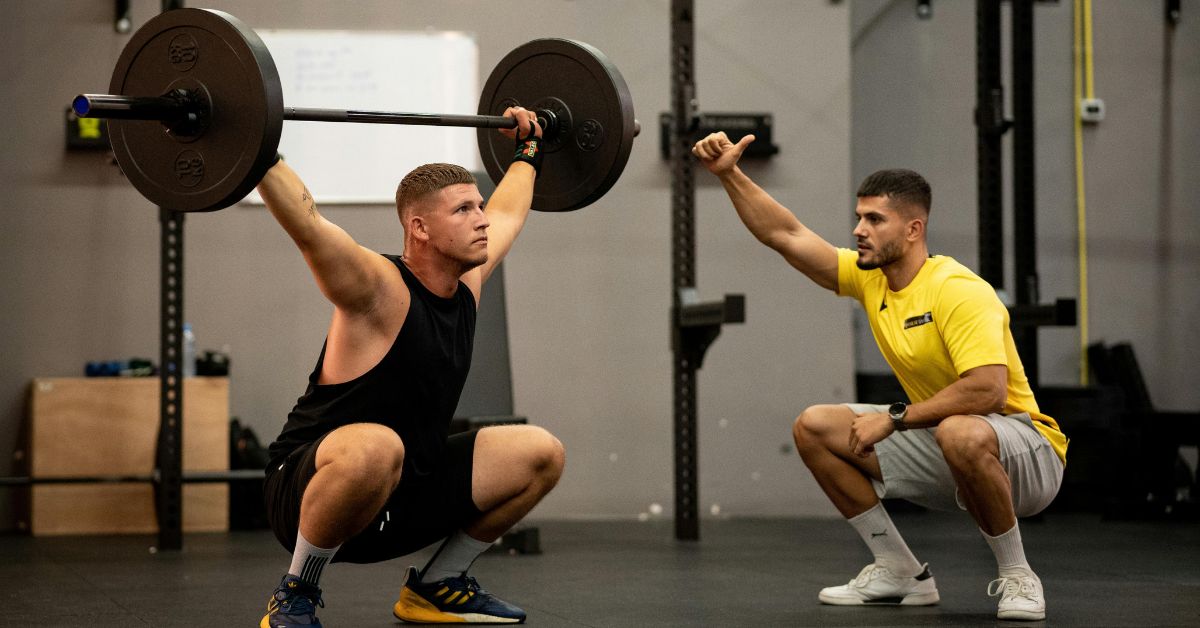
Hinging movements like the deadlift and Romanian deadlift train the glutes and hamstrings together. The belt squat adds leg strength without loading the spine through the shoulders, which some golfers with a stiff back prefer.

How Upper Back Strength Helps Golfers Hold Their Posture

Your upper back keeps your chest over the ball while you turn. Once it tires, you start standing up out of the shot, and the swing gets a lot harder to repeat.

Rows, pulldowns, and the high pull build the muscles between and around the shoulder blades. Stronger upper back muscles help you stay in your spine angle longer, which is the position your instructor keeps asking you to hold.

Where Rotational Strength in the Golf Swing Comes From

Most rotational strength in the golf swing comes from the hips and upper back working together. It isn’t about twisting harder through your midsection.

So you can skip the long list of twisting exercises. Get the hips and upper back strong, and let your swing practice handle the timing between them.

Your coach can also add torso extension work on the ARX Alpha to support the back during the long, bent-over posture of a round. The goal is a body that holds up through the turn, not a separate ab routine.

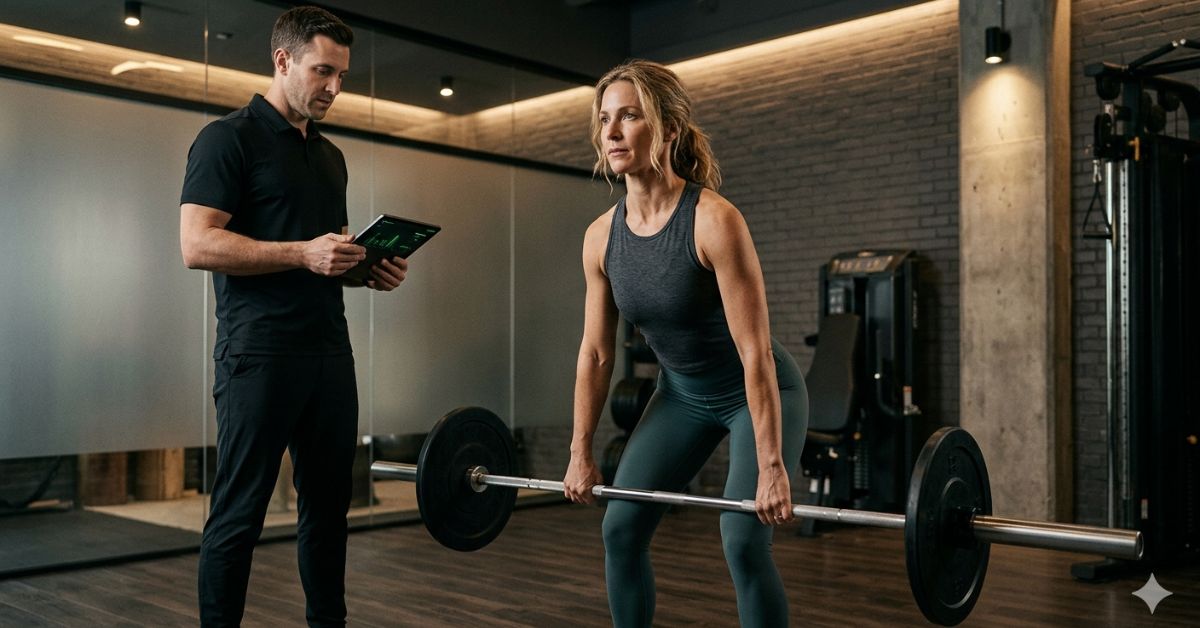
personal trainer coaching a client doing dumbbell exercise

Golf Strength Training on ARX at LUX Fitness

ARX, or Adaptive Resistance Exercise, adjusts to however hard you push, so a golfer coming off a long week and one who is fully rested both get the right amount of work. There are no plates to load and no weight to choose.

On the ARX Omni, your coach can draw on the deadlift, Romanian deadlift, belt squat, row, pulldown, and high pull for the movements golf leans on. Every rep is recorded, so you can watch your hip and back strength climb over the months.

That measurement is a big part of our advanced strength training technology. You do not have to guess whether the work is paying off, because the numbers show it.

Planning Golf Strength Training Around Tee Times in Franklin

Your coach can build the plan around your tee times, asking when you play, whether a tournament or golf trip is coming, and how your back and hips feel after eighteen holes. Heavier leg and back work then lands on days that won’t leave you stiff on the first tee.

A session at our gym in Franklin lasts about 30 minutes in a private, appointment-only studio, short enough to fit around a round. For golfers who doubt that much time can build real strength, our guide on whether a 30-minute strength workout is enough lays out the reasoning.

Frequently Asked Questions About Strength Training for Golfers

Should golfers take lessons or do strength training?

Golfers get the most from doing both, because lessons and strength training solve different problems. A lesson changes what your swing does, while strength training builds the body that has to repeat it.

If time is tight, a short strength session fits around your lessons without replacing them.

Is winter a good time for golfers to build strength?

Yes, the cooler months in Franklin are a good time for golfers to build strength, because fewer rounds leave more energy for harder sessions. Strength built over the winter gives your swing a steadier base when the season picks back up.

Your coach can ease the workload once you are playing more often.

Do golfers need to lift heavy weights to get stronger?

No, golfers do not need to load heavy barbells to get stronger, because what builds strength is hard, controlled effort. On ARX, the machine matches your effort on every rep, so the work is challenging without any weights to pick or plates to load.

The slow, controlled reps are also easier on the joints.

Can strength training help with back stiffness after a round?

Stronger hips and upper back muscles make the bent-over posture of a round easier to hold, which can leave you less stiff by the last hole. Your coach can also add torso extension work for the back muscles that hold that posture.

Stiffness that turns into real pain is worth having checked before you add load.

A Steadier Swing Starts Off the Course

None of this replaces your range time or your lessons. It just gives the swing you’re already working on a steadier body underneath it, in about half an hour scheduled around your tee times.

If you’d like a closer look at what that could mean for your game, LUX Fitness offers a free intro session where you can see the studio and ask about your swing. It’s a relaxed conversation about your goals, with no pressure.

Treat this as general education, not medical advice. Golfers with back, hip, or shoulder pain should get a physician’s go-ahead before adding new training.

LUX Fitness, 330 Mayfield Dr., Franklin, TN 37067. Phone: 615-282-5882.
Ben Cluff November 15, 2026 Uncategorized Read more
emale personal trainer reviewing a customized fitness plan with a client

Strength Training for People Who Hate Exercise in Franklin, TN

Lots of people have tried the spin class, the running app, and the gym membership, and quietly decided they just aren’t exercise people. They’d still like to be stronger, feel better, and stop dreading the stairs.

Strength training can work for people who hate exercise when it’s short, structured, and coached. At LUX Fitness in Franklin, you don’t have to enjoy every minute of a session for it to work.

Why So Many People Hate Exercise

Most people who say they hate exercise don’t hate moving around. They hate the version of exercise somebody sold them.

You probably know it. Loud, long, and all about feeling wrecked afterward, where you plan your own workouts and keep going because a guy with a headset mic told you to.

And it takes forever. Drive over, warm up, wait for a bench, cool down, drive home, and there goes your evening, so no wonder you’re not a fan.

Strength Training for People Who Hate Exercise Is Built Differently

What helps most is letting somebody else do the planning. At LUX Fitness your coach has the session built before you even walk in, so you’re never standing around wondering what’s next.

You show up for your appointment, train one-on-one, and leave. You still get your evening.

No class schedule, no crowd, no playlist you didn’t choose. Just a quiet private studio, with a clear start and a clear finish.

Strip all that out and most of what people hate about working out is gone. The part that’s left is the part that actually makes you stronger.

Coach explaining personalized strength assessment results to new client

What You Don’t Have to Do at LUX Fitness

You don’t have to love sweating. You don’t have to chase a burn, either, because we care about steady progress you can measure, not about you leaving wrecked.

No complicated exercises to learn and no plates to load. The ARX machines adjust to how hard you push, so the resistance is right without anybody guessing.

There’s no cardio part, because the studio doesn’t have cardio equipment. No treadmills, no bikes, no rowers, just the ARX machines and your coach.

We handle the tracking too. Your coach records your numbers every session, so there’s no app to update and no notebook to lose.

Why Short, Coached Sessions Are Easier to Stick With

People tend to run out of two things first: time and willpower. Short, coached sessions don’t ask for much of either.

A short appointment feels doable even when your day was rough. And when you know a coach is waiting on you, it’s a lot harder to talk yourself out of going.

You also don’t have to make a bunch of decisions. The session doesn’t depend on how fired up you feel when you walk in.

That’s the whole idea behind our short, coached strength sessions. The work is focused, and nothing’s padded just to fill time.

Seeing Progress Even When You Don’t Enjoy the Process

You might never love it. But seeing your progress makes it a lot easier to put up with, and ARX records your force output on every rep so you watch your numbers go up from one session to the next.

You’re not waiting on the mirror or the scale, since the numbers show up first. For someone who hates exercise that’s a pretty different deal: you put in a short effort and you get proof it counted.

Calendar showing a single weekly fitness appointment successfully maintained

Making Strength Training Part of Your Week in Franklin

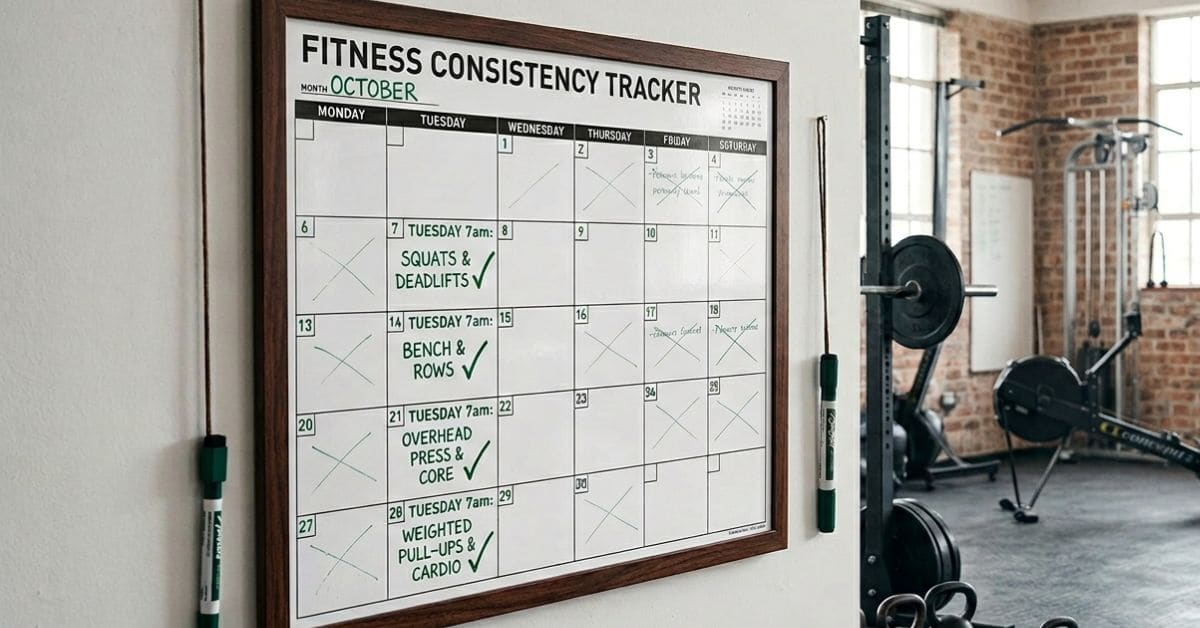
The easiest way to keep it in your week is to treat it like any other appointment. Find a slot you can protect, and then leave it alone.

Some people like getting it out of the way early, before the day gets away from them. Others like a break in the middle of the workday, which we get into in the best time of day to strength train.

Then use your free time for stuff you actually like, maybe a walk downtown, a round of golf, or an afternoon with the family. Strength training should support that life, not take it over.

Frequently Asked Questions About Strength Training for People Who Hate Exercise in Franklin

Can I get stronger if I hate working out?

Yep. As long as you keep at it and the effort’s real, your muscles don’t care whether you’re having fun.

Short, coached sessions make keeping at it a lot easier. Your job is mostly just to show up.

What is the easiest way to start strength training?

Get a coach to plan every session for you. That cuts out the research, the guessing, and most of the reasons people quit in the first few weeks.

At LUX Fitness everybody starts with a free intro session. It’s a low-key way to see what training would look like for you.

Will I eventually start to enjoy exercise?

Maybe! Plenty of people start to like it once they see progress and stop dreading it, though not everyone.

Some never love it and keep coming back anyway, because they like what it does for them. Either way is fine, and you don’t need a new personality to get stronger.

Is strength training better than cardio for people who hate exercise?

For a lot of people who hate exercise, yes, since the sessions are shorter and it’s easier to see progress. But honestly the best option is whatever you’ll keep doing.

Walking, golf, whatever you like can sit right next to strength training. They’re not competing.

How do I stay motivated on days I don’t feel like going?

Lean on the appointment instead of on motivation. If it’s booked and your coach is expecting you, how you feel that morning matters a lot less.

Looking back at your numbers helps too. Seeing you’re stronger than last month works better than any pep talk.

Try a Free Intro Session at LUX Fitness

You don’t have to become a gym person. You just need a plan that’s short enough and clear enough that you keep showing up.

If you’re exploring strength training in Franklin and you’ve always disliked exercise, book a free intro session at LUX Fitness. We’ll walk you through the studio, talk about your goals, and explain how training works, with no pressure and no surprises.

Ben Cluff October 26, 2026 Uncategorized Read more
Man doing a seated row on an ARX machine

How ARX Measures Your Strength Progress Every Session at LUX Fitness in Franklin, TN

Most people have no real idea whether they’re getting stronger. They go by how a workout felt, or whether the scale moved, and hope it’s adding up to something.

That’s not a knock on effort, it’s just a blind spot most training programs never fix.

If that guesswork sounds familiar, there’s a better way to know. At LUX Fitness, ARX measures your strength directly, turning every session into hard data instead of a hunch.

This article explains what ARX actually tracks, why measured progress matters, and how seeing your numbers change keeps you motivated over the long haul. By the end, you will know exactly what happens behind the scenes every time you train.

What ARX Measures About Your Strength

ARX is a resistance technology that matches the exact force you produce at every point in a movement. Because the machine is reading your effort moment to moment, it can measure that effort with precision.

Each session captures your total force output and your peak force on both the pushing and lowering phases of a lift. It also logs the total work you performed.

Alongside that, it tracks rep speed, range of motion, and how your force holds up as you fatigue. All of it lands on a single dashboard that your coach reviews with you.

The result is a detailed picture of your strength that updates every time you train. Nothing is estimated, and nothing depends on how the session happened to feel.

You always know precisely where you stand, not just where you think you might be.

person training using an ARX equipment

Why Measuring Strength Progress Matters

When progress is invisible, motivation gets fragile. It’s hard to stay committed to something you can’t tell is working.

That uncertainty is often what quietly causes people to stop showing up in the first place.

Measured strength changes that entirely. A number that climbs from one session to the next is proof, and proof is far more motivating than a vague sense of improvement.

Data also protects you from spinning your wheels. If a metric stalls, your coach can see it early and adjust before weeks of effort go to waste.

It also means you’re not the last one to notice when something isn’t working.

Just as importantly, it keeps training honest. You’re never guessing whether you pushed hard enough, because the readout tells you exactly what you did.

How Strength Progress Tracking Guides Your Training

Numbers are only useful if they change what you do next. At LUX Fitness, every session is private and appointment-based, with your ARX data directly shaping how that time is programmed.

Nothing about your plan is left to guesswork or habit.

If your force output is rising steadily, that’s a signal to keep building. If it plateaus, it’s a cue to adjust the stimulus so progress continues.

This feedback loop is what makes a single, focused 30-minute session each week so effective. Every minute of that one session is aimed at the areas the data says will move the needle.

It also means your program is genuinely yours. Rather than following a generic template, you’re training against your own measured performance, session after session.

person training using an ARX equipment

What a Progress Review Session Looks Like

When the Review Happens

A progress review is not a separate appointment tacked onto your schedule. It happens right inside a normal session, usually in the few minutes before or after your working sets.

Your coach pulls up your dashboard and walks through what changed since your last visit. You will see how your force output moved, whether your peak strength climbed on a specific lift, and how your total work capacity is trending.

What Your Coach Walks You Through

These conversations stay practical rather than theoretical. If a number is climbing, your coach explains what is driving that change and how to keep the trend going in the sessions ahead.

If something has flattened out, you will hear why that might be happening and what is changing in your next few sessions to address it. Either way, you leave with a clear picture instead of a vague impression of how things are going.

Why It’s Always Current

Because this happens every time you train, there is no waiting for a quarterly check-in to find out where you stand. Your progress conversation is always current, which makes it easier to trust and easier to act on.

You also do not need to interpret the numbers on your own. Your coach translates what the dashboard shows into a specific next step, so the data always leads somewhere useful.

None of this adds extra time to your visit or turns training into a meeting. It is folded into the session you already have on the calendar, which keeps the whole process simple for anyone with a full schedule.

Seeing Progress You Can Actually Trust

Traditional workouts ask you to infer progress from indirect signals like soreness or how you look in the mirror. Those signals are noisy and easy to misread.

Objective strength data cuts through that noise. You leave each session knowing, not hoping, that you’re moving in the right direction.

That kind of specificity is hard to get from a workout that is only judged by feel.

For busy professionals in Franklin who want certainty from their time, that clarity is the whole point. Measurable progress is what turns training into a reliable investment rather than a leap of faith.

It is one less thing you have to wonder about in a schedule that is already full.

Hand selecting an exercise on the ARX touchscreen

A Note From Coach Ben Cluff at LUX Fitness

“The first time someone sees their force numbers go up on the screen, something clicks,” says Ben Cluff of LUX Fitness in Franklin. “It stops being about whether they think they’re improving. They can see it, in black and white, every single session.”

“That certainty changes how people train,” he adds. “When the data confirms the work is paying off, consistency stops being a battle. The proof does a lot of the motivating for me.”

Frequently Asked Questions

How does ARX measure strength progress?

ARX matches the exact force you produce throughout each rep, which lets it measure that force precisely. It records total and peak force output, total work, rep speed, and range of motion every session, then displays it on a dashboard your coach uses to track your progress.

What strength metrics does ARX track each session?

ARX tracks total force output, maximum force on both the pushing and lowering phases, total work performed, rep speed, range of motion, and how your force changes as you fatigue. Together, these give a complete, objective picture of your strength on every visit.

Why is measurable strength progress better than how a workout feels?

How a workout feels is subjective and easy to misjudge, while measured force output is objective proof of change. Data lets you and your coach catch plateaus early, confirm what’s working, and stay motivated by seeing real numbers improve over time.

Do I need to be experienced to benefit from ARX progress tracking?

No. Because ARX matches whatever force you can produce, it works for complete beginners and experienced lifters alike. Everyone gets the same precise measurement, and beginners often find the visible progress especially motivating early on.

How often will I see my strength data?

Every session. ARX captures your metrics in real time and logs them each time you train, so your progress is always current. Your coach reviews the trends with you to guide what happens in future sessions.

Ready to Start Tracking Your Own Progress?

Strength you can measure is strength you can trust. Instead of guessing whether your effort is adding up, ARX shows you exactly what’s improving, session after session.

If you’re exploring what measurable training could look like, LUX Fitness’ strength progress tracking in Franklin offers a clear example of how data guides improvement

Healthy professional adult performing cardio exercise on a treadmill

Strength Training for Fat Loss: Why Lean Muscle Beats Cardio for Body Composition

You’re putting in the work. Early alarms. A few runs squeezed into the week. You’ve cleaned up the way you eat more than once. So you step on the scale and the number’s down. Good news, right?

Except it doesn’t really feel like much has changed. The mirror looks about the same. Still a little soft in the spots you were hoping to firm up. Lighter, maybe, but not different.

It’s a frustrating place to be, because on paper you’re doing everything right. Here’s what nobody tells you. Reshaping your body isn’t really about the scale at all. It’s about muscle, and strength training for fat loss does something cardio and dieting alone just can’t.

Why the Scale Drops but Your Body Doesn't Change

Weight loss and fat loss get talked about like they’re the same thing. They’re not, and the difference is the whole story.

When you drop weight with cardio and a smaller plate, your body doesn’t politely burn fat and leave everything else alone. It’ll pull from muscle too, especially when nothing’s giving it a reason to hold onto that muscle.

So the number falls. But part of what left was the very tissue that gives you shape and strength. That’s why you can weigh less and still feel kind of undefined. People call it “skinny fat.” Ugly phrase. Still, it nails the problem.

What you’re really after isn’t a lower number on a scale. It’s recomposition: less fat, more lean muscle, a body that genuinely looks and moves differently. Different goal, different game.

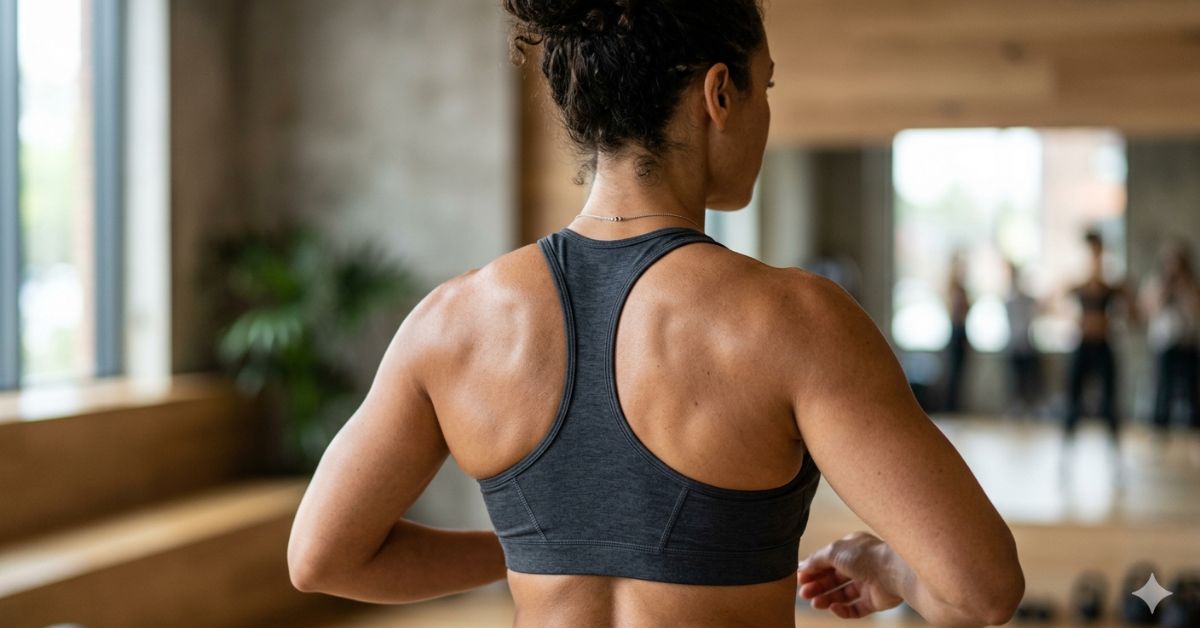
A healthy adult's upper back and shoulders showing natural muscle definition

Why Cardio Alone Falls Short for Fat Loss

None of this means cardio is the enemy. It burns calories, it’s good for your heart, and it has a real place. The trouble only starts when it’s the one and only tool you’re using.

Cardio doesn’t give your body much reason to keep muscle around, and muscle is expensive to maintain. If nothing’s signaling “we need this,” your body is perfectly willing to let some of it go. So you lose weight, and a chunk of what you lose is strength and structure.

Over time the math turns against you. Less muscle means a lower burn at rest, so the same routine stops paying out the way it did. That’s the wall people hit: more cardio, less food, more effort, and the mirror still won’t move.

How Strength Training Changes Your Body Composition

Strength training flips the script. Now your body has a reason to keep the muscle it has, and even add a bit, while fat comes down. That combination is what changes how you look, not just what you weigh.

Muscle isn’t just an athlete thing. It’s living tissue, and it costs energy simply to exist. Carry a bit more of it and you burn a little more all day, even sitting on the couch. Then there’s the afterburn. Train hard enough and your body keeps repairing for hours, still working long after you’ve driven home.

This is where the change you can actually see comes from. You don’t just shrink. You firm up. You look more put-together, more defined. The shape in the mirror finally starts to match the work you’ve been putting in.

What Efficient Strength Training for Fat Loss Looks Like

Most people picture strength training as marathon gym sessions, intimidating barbells, and a lot of standing around wondering what to do next. It honestly doesn’t have to be any of that.

What it comes down to is effort, structure, and showing up. That’s the whole recipe. It’s also what working with a personal trainer for weight loss comes down to.

At LUX Fitness, training is built around focused one-on-one sessions on adaptive resistance. The machine matches your effort rep for rep, so the resistance stays exactly where it should be: hard, but controlled. It’s the same idea behind our strength training for weight loss support in Franklin.

No guessing. No wandering the floor. No “okay, what now?” Just clean, direct work. And because it’s structured, you’re not stuck there for two hours. You do what matters, then you leave.. That’s the only version of this that survives a full calendar.

What to Expect as Your Body Changes With Strength Training for Fat Loss

Early on, it’s subtle. You don’t wake up transformed. But you start noticing the little things. Jeans fit a bit better. Your energy holds steadier through the afternoon. Normal daily stuff stops wiping you out the way it used to.

Then the strength numbers start climbing. Slow at first, then steadier, and that part is genuinely hard to ignore. It also reframes how you think about progress. It stops being “I hope this is doing something” and becomes “I can see it on paper.”

That’s what keeps people going over the long haul. Not a burst of motivation. Feedback they can actually point to.

Common Concerns About Strength Training for Fat Loss

The big one: “I don’t want to get bulky.” Totally common, and also not how it tends to work. Getting noticeably big takes years, a lot of food, and very deliberate training. What most people actually get is shape and tone — a more solid, athletic look.

Then there’s time. Fair concern, everyone’s stretched thin. But strength training doesn’t have to take over your week. Keep the sessions structured and efficient and you get real work done without living at the gym.

Starting from zero? That’s not a problem; it’s honestly the best place to begin. You just want guidance so you’re not guessing your way through it. Old injuries or cranky joints? Common too, and controlled resistance is usually kinder to the body than pounding out high-impact cardio anyway.

Strength Training for Fat Loss in Franklin, TN

LUX Fitness is a private strength studio in Franklin, TN. Not a big-box gym — no crowds, no noise, no standing around figuring out the next machine. You show up, you train with a coach, and you leave knowing you did something that actually moves the needle.

For busy professionals around Franklin and the greater Nashville area, that structure is usually the thing that finally makes consistency click.

Frequently Asked Questions

How long does it take to see fat loss results from strength training?

Most people feel it before they see it. Energy and the way your clothes fit usually shift inside four to six weeks. The visible body-composition change tends to follow over the next two to three months, since reshaping your body is a steadier process than dropping water weight on a crash diet.

Do I still need to do cardio if I strength train for fat loss?

Not for the fat loss itself, though a little cardio is great for your heart. Strength training protects the muscle that keeps your metabolism humming, so it can be the foundation of the plan, with cardio playing a supporting role rather than the lead.

Will strength training make me look bigger before I look leaner?

For most adults, no. Real size gains take years of dedicated training and eating. What you’ll usually see is a firmer, more defined shape as fat drops and your muscle sticks around.

How many days a week of strength training do I need to lose fat?

Fewer than you’d guess. With enough effort and smart exercise choices, even one or two focused sessions a week can drive real change — which is exactly what makes it realistic on a packed schedule.

Is strength training safe if I am significantly overweight or new to exercise?

Yes, when it’s coached and the resistance is controlled. Guided strength work lets a beginner build inside safe ranges of motion, and it’s often easier on the joints than high-impact cardio when you’re carrying extra weight.

Build a Stronger, Leaner Body at LUX Fitness in Franklin, TN

Fat loss that actually sticks isn’t about grinding out more cardio or eating less and less until you’re miserable.

It’s about building muscle, keeping it, and letting your body work with you instead of against you.

Strength training does that, and when it’s simple, structured, and time-efficient, staying consistent gets a lot easier than most people expect.

If you want a smarter way to change your body composition, our physical fitness program in Franklin, TN lays out how we approach it.

Active adult age 65-75 performing a supervised strength training exercise in a premium private fitness studio

Strength Training for Seniors: A Smarter Approach to Staying Strong, Mobile, and Independent After 60

The jar lid won’t budge the way it used to. You take the stairs a little slower. Getting out of a low, soft chair needs a hand on the armrest now. That wasn’t true a few years back..

It’s easy to file all of that under “getting older” and move on. But more often than not, it’s muscle quietly slipping away. And that’s the one thing strength training for seniors can actually push back on.

Staying strong after 60 isn’t about chasing the body you had at 30. It’s about keeping the one you have now capable, so you can keep doing the things that make your days yours.

Why Strength Matters More After 60

Somewhere in your 40s, the body starts shedding muscle on its own. The technical name is sarcopenia, and left alone it just keeps going. A little less strength each year. A little less balance. A little less confidence to go with it.

Here’s the better news. Strength training is the most direct way to slow that slide, and often claw part of it back. You rebuild muscle, you give your joints more to lean on, and you keep the engine that runs everyday movement from idling down.

None of this is about lifting heavy for the sake of it. It’s about hauling groceries in from the car, getting down on the floor with a grandkid and back up again, and moving around your own house without having to think about it.

The Real Benefits of Strength Training for Seniors

Study after study lands in the same place: older adults who train against resistance get stronger and move better. Steadier on their feet. More sure of each step. Those aren’t abstract wins; they show up in how easily a normal Tuesday goes.

Stronger muscles also mean better balance, and balance is what keeps a stumble from turning into a fall. Anyone who’s had a bad one will tell you that feeling solid on your feet again is worth a great deal.

There’s more going on under the surface, too. Regular strength work supports bone density and helps your metabolism behave. Different machinery, same payoff: a body that holds up longer.

Is Strength Training Safe for Seniors?

For most people past 60, strength training isn’t just safe, it’s one of the smarter things you can do with your week. The catch is that it has to fit you. The right resistance, controlled movement, and somebody actually paying attention.

That said, this is the season of life to start smart rather than fast. If you’re managing heart issues, high blood pressure, balance trouble, or anything in that neighborhood, talk to your doctor before you begin. It’s a short conversation that’s worth having.

Once you’ve got the green light, coached resistance is about as low-risk as exercise gets. Good form, sensible effort, eyes on you the whole time. That’s what takes the danger out of it.

Why Coached, Controlled Resistance Is Ideal

Big commercial gyms can be a lot. The machines aren’t always kind to older joints, the free weights quietly dare you to grab too much, and nobody’s around to catch a rep that’s gone sideways.

LUX Fitness runs differently. Sessions use ARX adaptive resistance, which pushes back exactly as hard as you push, rep for rep. Hard enough to build real strength, smooth enough that nothing jerks or strains along the way.

Every session is one coach, one client, and a record of what you did. For someone in their 60s, 70s, or beyond, that blend of supervision and precision is what makes training feel less like a gamble and more like a plan. There’s more on how our structured approach works on our physical fitness program in Franklin, TN.

How Often Should Seniors Strength Train?

The standard guidance is muscle-strengthening work twice a week or more. It’s a fine target. Just don’t let it become an excuse to do nothing if twice a week feels out of reach right now.

What moves the needle is showing up consistently, whatever that ends up looking like for you. Plenty of our clients start with one well-run session a week and build from there. One good hour, repeated, beats a heroic effort you never come back from.

What to Expect When You Start Strength Training as a Senior

The first changes are usually the boring, wonderful kind. Standing up out of a chair. Climbing the stairs. Carrying a full laundry basket. Things that had quietly become small negotiations start happening without the negotiation, often inside the first few weeks.

And because every session is tracked, you’re not left guessing whether it’s working. You watch the numbers move. That bit of proof has a way of turning “I should go” into “I want to go.”

Strength Training for Seniors in Franklin, TN

LUX Fitness is a private strength studio in Franklin, TN. No crowds, no wall of strangers, no pressure to keep pace with anyone. Just a calm room, a coach, and a plan built around where you actually are.

For older adults across Franklin and the greater Nashville area, that quiet, one-on-one setting is half the point. Nobody here is trying to outlift the 25-year-old two machines over. The goal is simpler and more durable: keep you strong, steady, and independent on your own terms.

Frequently Asked Questions

Is it ever too late to start strength training?

Honestly, no. People in their 70s and 80s build real strength when they train safely and keep at it. Starting later doesn’t close the door — your muscles, your balance, and your independence still respond.

How heavy do seniors need to lift to benefit?

Lighter than most folks picture. The win comes from challenging the muscle for where you’re at, not from hauling maximum weight. Coached or adaptive resistance keeps that effort right in the sweet spot: useful, never reckless.

Can strength training help with balance and fall prevention?

Yes, and it’s one of the biggest reasons to bother. Stronger legs and a stronger core add up to better balance, and better balance means fewer falls. A lot of clients say feeling steady again is the part they notice first.

Should I talk to my doctor before starting?

If you’ve got any medical conditions, yes — heart disease, high blood pressure, a balance disorder, that sort of thing. Get the all-clear first. After that, coached strength training is generally very safe.

How to Find a Personal Trainer in Franklin at LUX Fitness

Most people don’t need more information. They need a clear starting point. That’s what the first session at LUX is for.

It’s private, structured, and focused entirely on you. You’ll understand how training works, what your plan would look like, and whether it actually fits your schedule and goals.

If you’re still exploring, our personal trainer in Franklin, TN page breaks down the bigger picture of how we train and who it’s built for.

Our Location: 330 Mayfield Dr., Franklin, TN 37067

Will strength training help with arthritis or joint stiffness?

It often does. Building up the muscles around a cranky joint takes pressure off it and makes everyday movement easier. If you have arthritis, train under guidance and follow your doctor’s lead on what’s smart for you.

Get Started at LUX Fitness in Franklin, TN

Aging well isn’t about dodging effort. It’s about staying strong enough to keep living the way you want to.

Coached, controlled strength training is one of the most reliable ways to protect that, and it’s rarely too late to start.

If you’re looking for a safe, supportive place to get going, the team at LUX Fitness in Franklin, TN would be glad to talk it through.

You can learn more on our personal trainer in Franklin, TN page.