
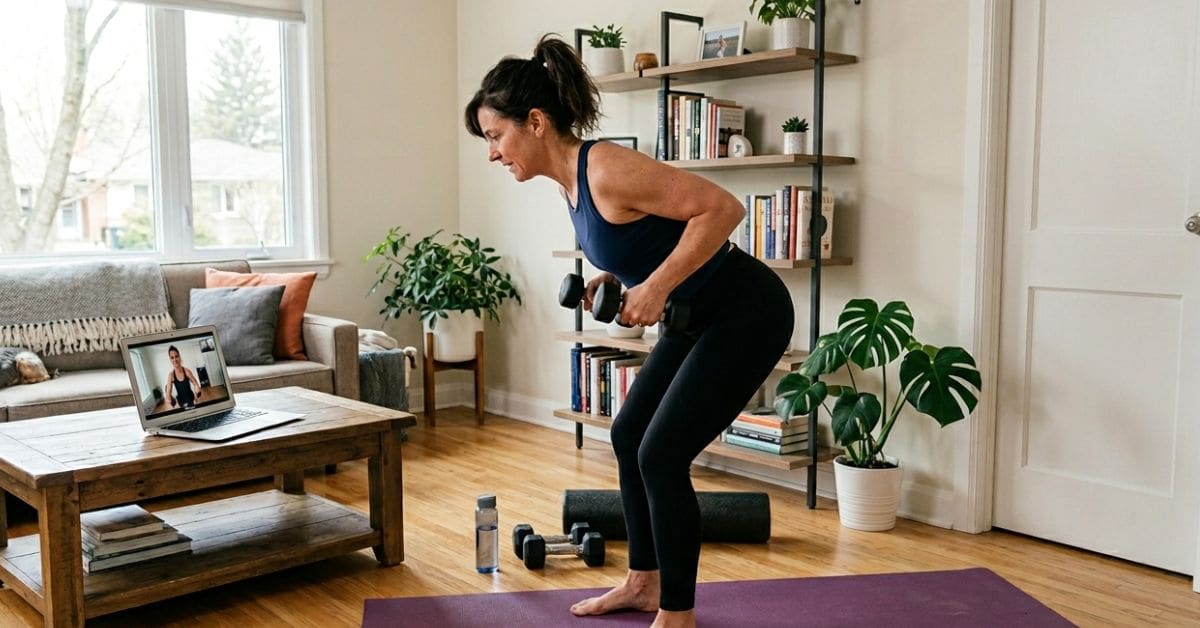
How to Start Strength Training When You’ve Never Lifted a Weight

Ben Cluff
Ben Cluff
Maybe you’ve told yourself you’ll begin once you get in a little better shape first. If that sounds exactly like you, you’re not behind, and you’re definitely not alone.
Most people who show up for their first strength training session have never touched a barbell in their life. The good news is that learning how to start is far simpler and far less intimidating than the internet makes it look.
This guide walks through what those first workouts actually involve, what the early weeks feel like, and how a private studio removes the parts that usually scare people off. By the end, you’ll have a clear, honest picture of what those first sessions look like, without the guesswork or the gym-floor anxiety that usually keeps people stuck on “someday.”
How to Start Strength Training From Scratch
At its core, strength training means asking your muscles to work against resistance so they adapt and get stronger. That resistance can come from a machine, a dumbbell, or even your own bodyweight.
When you’re brand new, you don’t need a complicated program or dozens of exercises. A well-built routine covers a few foundational movement patterns: pushing, pulling, squatting, and hinging.
Those patterns train every major muscle group without overwhelming you. Done well, just one focused session a week is enough to build real strength early on.
The goal in your first weeks is not to lift heavy. It’s to learn how each movement feels, groove clean technique, and build the confidence that keeps you coming back.

Why Your First Workouts Are Easier in a Private Setting
The hardest part of beginning is rarely the workout itself. It’s the fear of doing something wrong in front of a room full of people who look like they already know what they’re doing.
A private studio takes that pressure off the table. There’s no crowded floor, no waiting for equipment, and no audience watching you learn.
That privacy isn’t just about comfort. It also means every minute of your session goes toward your training instead of waiting your turn.
Instead, a coach guides every rep and adjusts your form in real time, often using ARX, adaptive resistance equipment that adjusts to exactly how much force you’re applying as you move. That kind of attention is how good habits get built before bad ones ever have a chance to.
For someone just getting going, this setting also makes each session efficient. You spend your time training with intention rather than wandering between machines wondering what to do next.
That efficiency matters most for people balancing training with work and family, since a session with no wasted time is easier to keep showing up for. If you are wondering whether a short session is enough, here is whether a 30-minute strength workout is enough.

What to Expect in Your First Few Weeks
Your first session usually starts with a conversation, not a workout. A coach learns your history, any aches or past injuries, and what you want strength to help you do.
From there, you’ll move through a small set of exercises at a comfortable effort level. The early sessions are about mastering the motion, not testing your limits. If you usually stretch first, here is whether you need to stretch before lifting.
Over the following weeks, the resistance climbs gradually as your body adapts. This slow, deliberate progression is what keeps training safe and sustainable rather than punishing. Feeling a little sore along the way is normal, and here is what soreness after strength training means.
Many new lifters notice everyday tasks feeling easier within the first month. Carrying groceries, climbing stairs, and getting up off the floor start to take less out of you. Here is a fuller look at how long it takes to see results from strength training.
Those small wins tend to compound, building the kind of everyday strength and independence that pays off for decades, not just for a season. And if progress ever stalls, here is how to break through a strength training plateau.
Small Habits That Make Your First Month Easier
A few simple habits make the difference between a first month that sticks and one that fizzles out. None of them require overhauling your life.
Getting enough sleep matters more than people expect. Your body does most of its adapting and repairing overnight, so consistent rest supports the progress you’re making in the studio. Here is more on how sleep affects muscle recovery.
Staying hydrated and eating enough protein throughout the day also helps your muscles recover between sessions. You don’t need a strict diet plan, just consistent attention to the basics.
Scheduling your sessions like any other commitment on your calendar removes the guesswork of “finding time.” Treating strength training as a fixed appointment, rather than something you’ll get to if the week allows, is often what separates people who stick with it from those who don’t.
None of this needs to be perfect. Showing up consistently, even on the weeks when life is busy, matters far more than any single “ideal” habit.
A coach can help you build these habits into a routine that actually fits your week, rather than one more thing competing for your time.
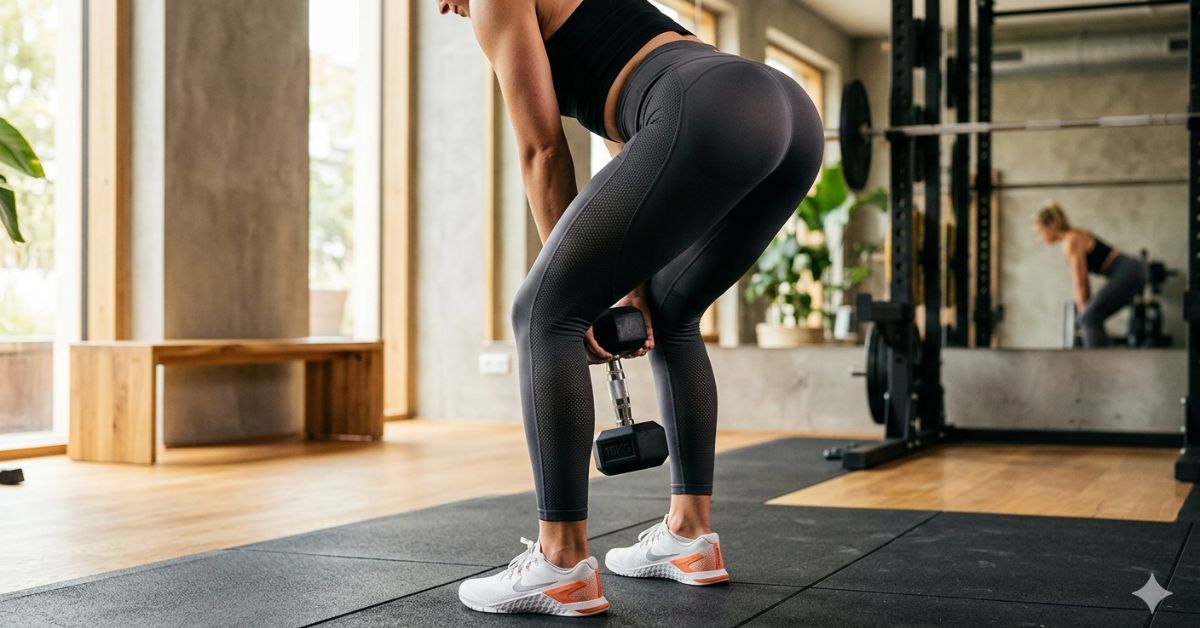
The Fears That Keep New Lifters From Starting (and Why They Fade)
“I’m too out of shape to start” is the most common thing coaches hear. In reality, being new is exactly the point of beginner-friendly training.
Others worry they’ll get hurt. With proper coaching and gradual loading, lifting is one of the safest ways to move your body, and it tends to make you more resilient over time.
There’s also the fear of looking foolish. In a private studio, that concern disappears quickly because the only person in the room with you is there to help.
The truth is that confidence isn’t a prerequisite for starting. It’s a byproduct of showing up, and it grows faster than most people expect.
A Note From Coach Ben Cluff at LUX Fitness
“Almost every new lifter I meet apologizes for their fitness level before we even begin,” says Ben Cluff of LUX Fitness in Franklin. “I always tell them the same thing: your starting point is just information, not a verdict.”
“What I see over and over is that the people who feel the most intimidated on day one often become the most consistent,” he adds. “Once the guesswork and the crowd are gone, training stops feeling like something to dread and starts feeling like something you look forward to.”
Frequently Asked Questions
How do I start strength training if I've never lifted before?
Start with a few foundational movement patterns: pushing, pulling, squatting, and hinging, at a light, comfortable effort, ideally under a coach who can guide your form. Focus your first weeks on learning the movements well rather than lifting heavy, then add resistance gradually as your body adapts.
How often should a beginner strength train?
One focused session per week is plenty when you’re just starting out. That single session gives your muscles enough stimulus to grow stronger, while the rest of the week lets your body recover and adapt, which is when the real strength-building happens.
Do I need to already be fit before I start?
No. Beginner-friendly training is designed for people starting from zero. A good coach meets you at your current level and scales every exercise to match it, so fitness is the result of training, not a requirement to begin.
Will starting strength training make me sore all the time?
Some mild soreness is normal in the early weeks as your body adapts, but it should never be severe. A properly paced program builds up gradually, so you feel worked rather than wrecked after each session.
How long until I see results?
Most new lifters feel everyday movements getting easier within three to four weeks, and visible changes tend to follow over the next couple of months. Strength gains often show up first as increased energy and improved daily functioning.
Ready to Take the First Step?
Learning how to start strength training doesn’t require a perfect body, a lifetime of gym experience, or a burst of motivation you’re waiting to feel. It just requires a first session and a coach who meets you where you are.
If you’re ready to begin, our strength training for beginners in Franklin program walks you through it step by step, and you can keep reading about whether strength training makes women bulky if that’s a question on your mind.