
Joint-Friendly Strength Training: What’s Actually Safe If You Have Knee, Hip, or Back Pain

Ben Cluff
Ben Cluff
Achy knees when you take the stairs. Hips that feel stiff after you’ve been sitting too long. A back that tightens up the moment you bend down like it’s warning you not to.
Most people don’t even call that “pain” at first. It just becomes normal. Then training slowly gets pushed aside because it feels like the risk outweighs the reward.
We hear that a lot at LUX Fitness in Franklin, TN. And the funny thing is, once people start moving the right way again, slower, more controlled, less guesswork, the body usually responds better than expected.
Not instantly. But steadily.
So let’s break down what actually makes sense when your joints are the thing holding you back.
Can You Strength Train With Knee, Hip, or Back Pain?
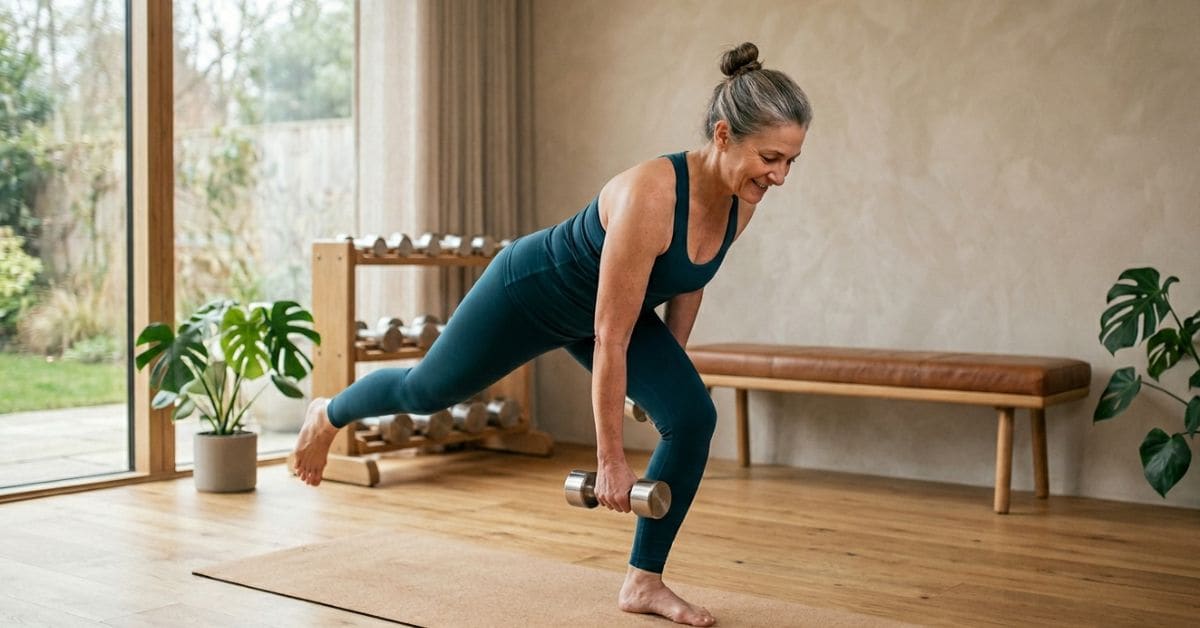
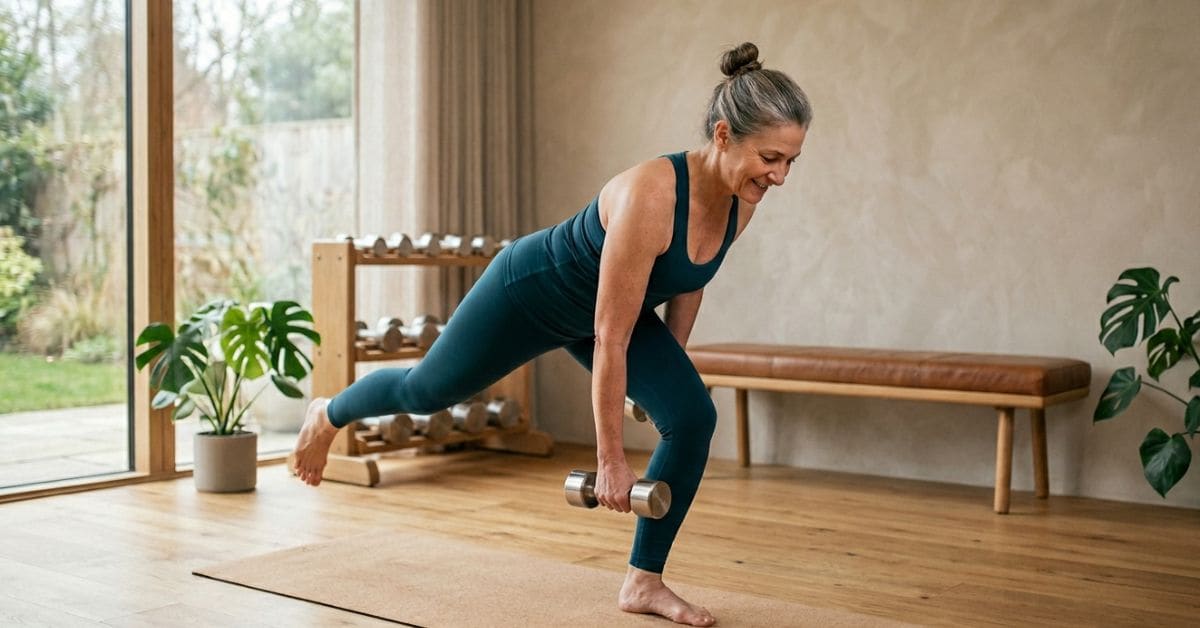
Yes. In most cases, you can. And more than that, it’s often one of the best things you can do.
When the muscles around a joint get stronger, they start sharing the load. That means less pressure going through the irritated spot and more support coming from the surrounding system.
It’s not a fringe idea either. Mayo Clinic and Harvard Health both consistently point to regular strength training, a few days per week, as part of managing arthritis and ongoing joint discomfort.
So it’s rarely about “should I train or not.” It’s more like, how do we make this safe enough and smart enough that your body actually tolerates it?
Heavy, rushed, ego-driven workouts usually don’t help here. But controlled strength work, done in ranges you can actually own, tends to go a long way.

What Makes Joint-Friendly Exercises Truly Safe?
A joint-friendly exercise isn’t about being easy. It’s about being controlled. You’re trying to load the muscle without irritating the joint. That’s the whole game.
So the pace slows down. A lot. No bouncing. No throwing weights around. No forcing a range just because a program says so.
Two things matter most: low impact and a range you can control without flaring anything up.
Most people start simple. Bodyweight first. Bands. Machines. Then progress later when things feel stable, not before.
And pain has to be taken seriously, but not fearfully. Muscle effort is fine. A bit of soreness is normal. Sharp, pinchy, or escalating joint pain? That’s your cue to back off or adjust. Not push through.
Joint-Friendly Exercises for Knee Pain
Knees are usually the first place people feel “old,” even if the real issue is elsewhere. Often it’s not the knee itself, it’s what’s happening above and below it. Quads not firing well. Glutes not pulling their weight. Hamstrings underused.
So we train the support system. A controlled leg press through a comfortable range can be a great starting point. Same with a slow sit-to-stand pattern. Nothing deep. Nothing forced. Just clean reps you can actually control.
Isometrics help too. You tighten the muscle without moving the joint much. It sounds simple, but it can be a useful way to build strength when things are irritated.
And for some light conditioning, cycling tends to be a solid option. Smooth motion. Low impact. No pounding. The goal isn’t to “test” the knee. It’s to rebuild confidence in it.

Joint-Friendly Exercises for Hip Pain
Hip pain has a way of showing up quietly. After sitting. After walking. After doing “not much,” sometimes. A lot of that comes down to the glutes not doing enough of the stabilizing work they’re supposed to do.
So we go back to basics. Glute bridges. Clamshells. Controlled hip abduction work. Nothing flashy. Just steady movement with good control.
You’ll usually feel these more in the muscles than the joint itself, which is exactly what we want early on. Gentle hip flexor mobility can also help things loosen up over time, especially if sitting is part of your daily routine.
And again, the rule stays the same: if something creates a sharp pinch in the joint, we don’t force it. We change it. Simple as that.
Joint-Friendly Exercises for Back Pain
Back pain tends to change how you do everything. You move more carefully. You brace before you bend. You hesitate without thinking about it.
So the goal shifts away from “strengthen the back” and more toward “teach the core to actually protect the spine.”
Bird dogs. Dead bugs. Glute bridges. These are simple movements, but they teach control in a way that carries into real life, especially when you bend, lift, or twist.
One of the biggest wins here is learning to hinge at the hips without rounding your lower back. Once that pattern clicks, a lot of everyday strain starts to disappear. Until then, lighter loads and strict form matter more than intensity. No rush. Just repetition done well.
Why Adaptive Resistance Is Especially Joint-Friendly
One of the tricky parts of training with pain is unpredictability. A rep feels fine, until it doesn’t. That’s where adaptive resistance helps clean things up.
At LUX Fitness, ARX machines adjust resistance in real time based on your effort. Push harder, it responds. Slow down, it eases off. Stop, and the load drops immediately.
So there’s no momentum pulling you into a bad position. No surprise spikes in weight. No fighting something your body isn’t ready for that day. It keeps the work inside the muscle where it belongs, without punishing the joint.
For a lot of people dealing with knee, hip, or back issues, that consistency makes training feel doable again. Curious how it actually works? Our ARX training sessions in Franklin, TN page breaks it down, and our joint-friendly strength training page shows how we build pain-aware programs. Training past 40? These ideas slot right in with our guide to personal training over 40.
When to Check With a Professional First
This is general education, not medical advice.
If your pain is severe, new, the result of an injury, or tied to a diagnosed medical condition, it’s important to speak with a doctor or physical therapist before starting anything new. They can help you figure out what’s appropriate for your situation.
At LUX Fitness, sessions are one-on-one, which means we can adjust things in real time, range, resistance, exercise choice, based on how your body actually feels that day.
How to Find a Personal Trainer in Franklin
Is it safe to strength train with arthritis?
For most people, yes. In many cases it’s encouraged. Strength training can help support joints affected by arthritis and improve how they function over time. Start light, keep things controlled, and always get medical clearance if your condition is new or more advanced.
What exercises should I avoid with knee or back pain?
Usually anything that causes sharp pain, relies heavily on momentum, or puts you in deep loaded positions before you’re ready. That might include deep squats for some knees or loaded twisting and bending for some backs. There are usually safer swaps for the same muscle groups.
How often should I strength train if I have joint pain?
Two times per week is a solid place to start. It lines up with what groups like Mayo Clinic commonly recommend. It gives your body time to recover while still building consistency.
Is ARX a good option if I have joint pain?
For many people, yes. Because resistance adapts to your effort in real time, it stays smooth and controlled without sudden strain. Still, it’s smart to check with your doctor first and then work with your coach to tailor it properly.
Train Stronger With Joint Pain at LUX Fitness
Joint pain doesn’t automatically mean you stop training. It usually just means you need a different approach. Slower. More controlled. More intentional. At LUX Fitness in Franklin, TN, that’s how we build training for people dealing with pain or stiffness every day. If you want to see what that looks like in real life, book a free intro session. We’ll keep it simple and meet you where you’re at. We also provide a guide on strength training for fat loss to help you use workouts effectively for weight management