Author : Ben Cluff

About the Author:

Owner and co-founder of LUX Fitness, a premium strength training studio built around smarter, more efficient fitness. With a background in sales, leadership, and personal development, Ben is passionate about helping people build strength, confidence, and discipline without spending countless hours in the gym. Through LUX Fitness, he helps members achieve meaningful results with personalized training, advanced equipment, and a high-performance approach to health and wellness.

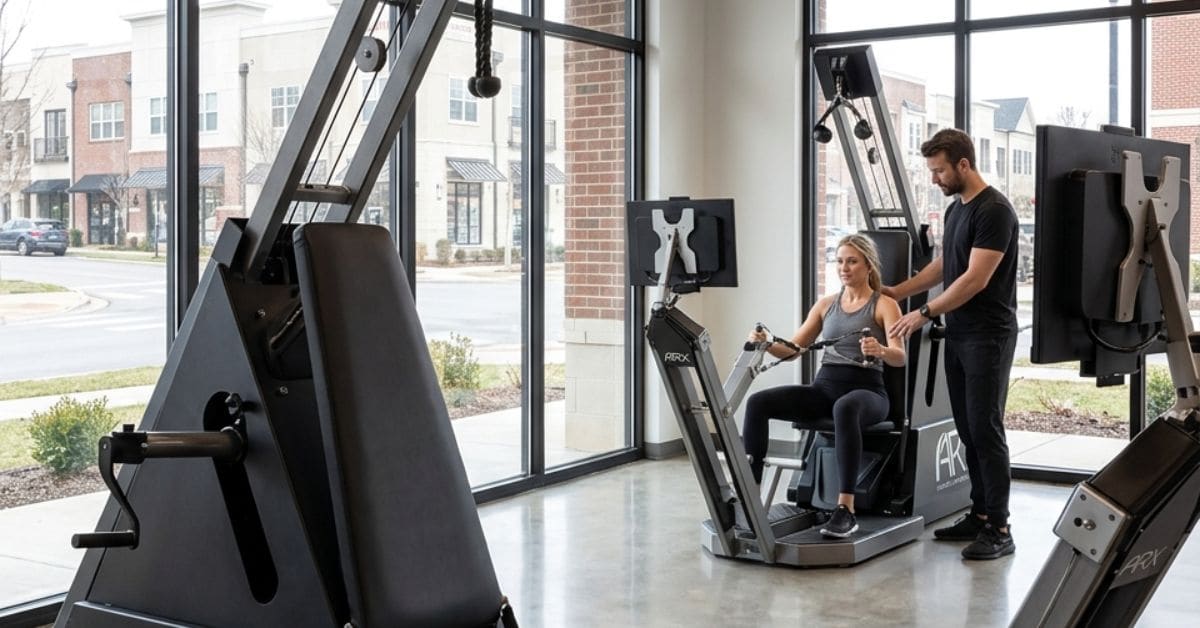
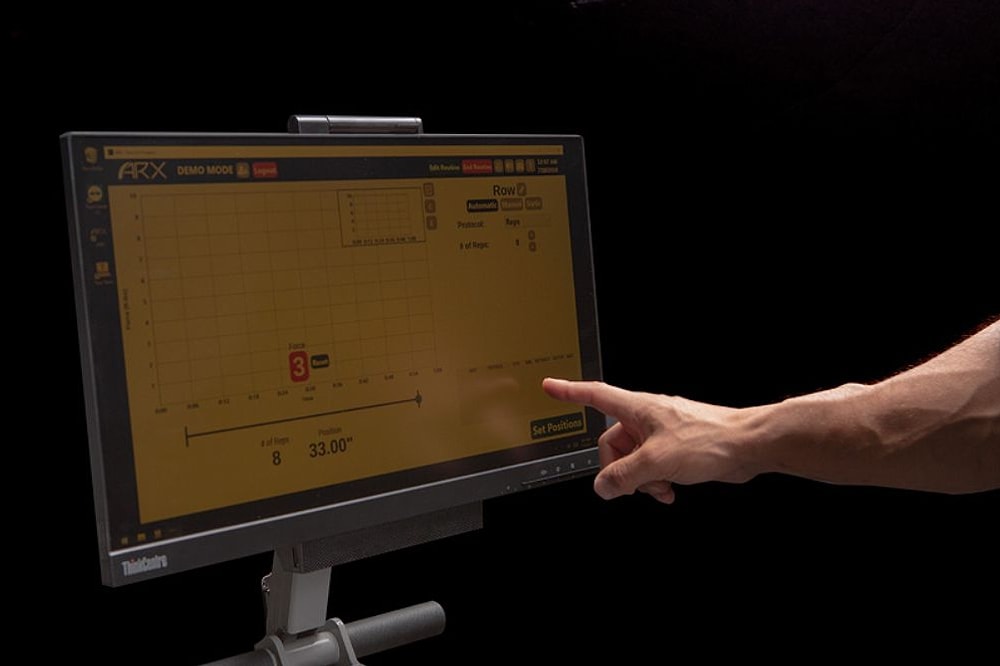
ARX touchscreen showing force output and rep count while a coach sets up a session

Strength Training for Business Owners in Franklin, TN: Protecting Your Energy When You Run the Show

Nobody tells you to go to the gym when you run the business. Nobody notices when you skip it, either, so the early session slides to lunch, lunch slides to Thursday, and Thursday gets eaten by a payroll problem.

Strength training for business owners in Franklin has to work without a boss, a set schedule or anyone asking where you were. At LUX Fitness, that means a private, appointment-only studio and a coach who has your session planned before you walk in.

Why Does Training Slip So Fast When You Own the Business?

Because nobody else is holding the slot. Every other appointment on your calendar has a client, a vendor or a team member attached to it.

Training is the appointment you made with yourself, which makes it the easiest to move. Skipping it usually says more about how the week is set up than about your discipline.

How Strength Training for Business Owners Cuts Down on Decisions

You make decisions all day, and by late afternoon “what should I do at the gym” is one more call you’d rather not make. A session that is already decided is far easier to show up for.

At LUX Fitness your coach plans the session ahead of time, so there is nothing to research and nothing to pick. Sessions run about 30 minutes, and for that half hour someone else is doing the thinking.

That takes decision fatigue out of the day, so there is less standing between you and the studio door.

Protecting Your Energy When You Run the Show

Your energy is what the business actually runs on. When you’re dragging by 3 p.m., every call goes a little worse.

A coached session can help here. Plenty of people leave a session feeling more awake than when they walked in, though how you feel will vary from day to day.

Short sessions make it easier to protect. About 30 minutes, warm-up included, fits between a morning of meetings and an afternoon of calls.

Why a Private Studio Suits Owners Who Are Always On

A private studio gives you one place where nobody needs anything from you. It’s appointment-only, so there is no crowd and no waiting on a machine.

The ARX machines only push back as hard as you push. On a flat day the resistance scales down with you, so you don’t have to guess at a weight.

You also get numbers. ARX logs your force output on every rep, so your progress is something you can read instead of something you hope for.

Strength Training in Franklin for People Who Run the Show

Franklin has owners of every kind, from shop and practice owners to people running a company out of a spare room. The businesses differ, but the problem is the same.

Our physical fitness program in Franklin is built around structure first, so training doesn’t depend on how the week goes. When a launch, a hire or a rough quarter piles on, our guide to strength training for stress covers keeping it going through a hard week.

Frequently Asked Questions About Strength Training for Business Owners in Franklin

How can a business owner fit strength training into a busy schedule?

Book a fixed appointment and treat it like a client meeting. At LUX Fitness, sessions run about 30 minutes and your coach plans each one, so the time you block is the time you train.

Is strength training worth it if I’m tired all the time?

Often, yes, as long as it’s ordinary end-of-day tiredness and not illness or pain. A coached session scales to the effort you have that day. If the fatigue is constant or worrying, talk with your doctor.

What if my schedule changes at the last minute?

Tell the studio as soon as you know, and pick the new time right then. A session with a new time on the calendar is far more likely to happen than one you plan to get to later.

Do I need to be in shape before I start?

No. Your coach builds the plan around where you are right now, and ARX resistance only matches the force you put out.

Book a Free Intro Session at LUX Fitness

If you’re looking for strength training that doesn’t add one more thing to manage, we’d be glad to show you around.

Every new client begins with a free intro session. We walk you through the studio, talk through your goals, and explain how training works, with no pressure and no surprises.

LUX Fitness, 330 Mayfield Dr., Franklin, TN 37067. Phone 615-282-5882.
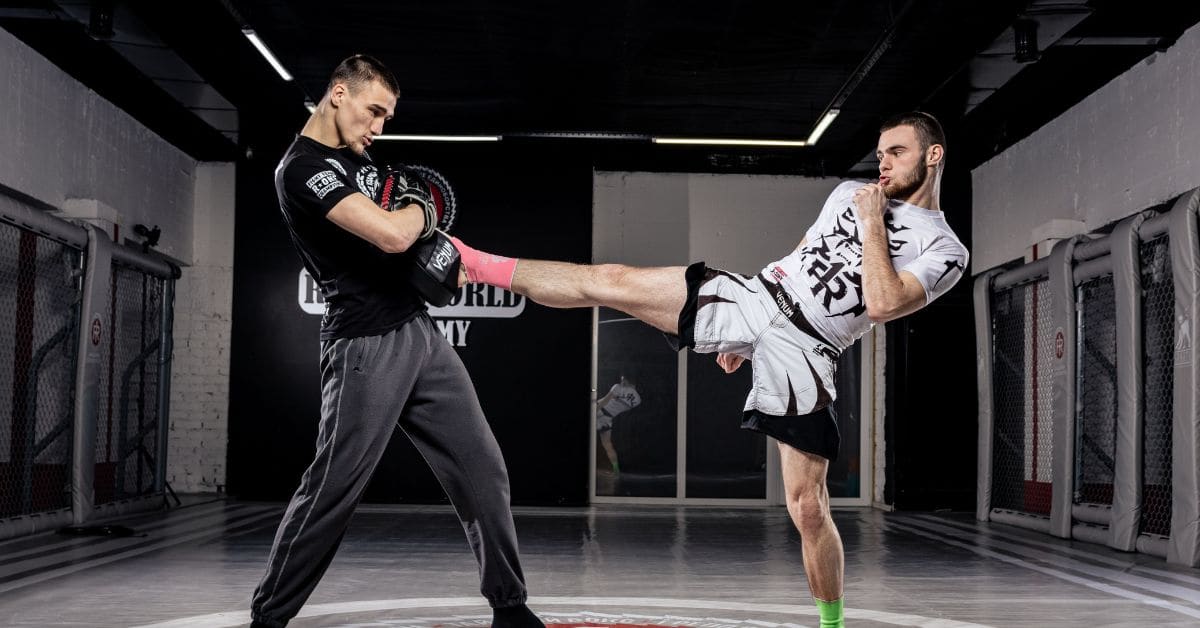
Two men practice kickboxing in a professional gym environment, showcasing dynamic movement and sport.

Strength Training for Jiu-Jitsu and Martial Arts in Franklin, TN: Strength That Holds Up on the Mat

It’s the third round on a Tuesday night, and the person on top of you is a lot bigger than you are. Your arms quit before your head does.

You know the escape. You’ve drilled it more times than you can count.

Knowing where your hips should go is one problem. Having the strength left to put them there at the end of a hard class is another.

Most of us only notice from underneath.

Strength training for jiu-jitsu and martial arts in Franklin is about closing that second gap. At LUX Fitness we do it in short, one-on-one ARX sessions that build the pulling, hip, and trunk strength grappling leans on, and that sit next to your mat time instead of fighting it.

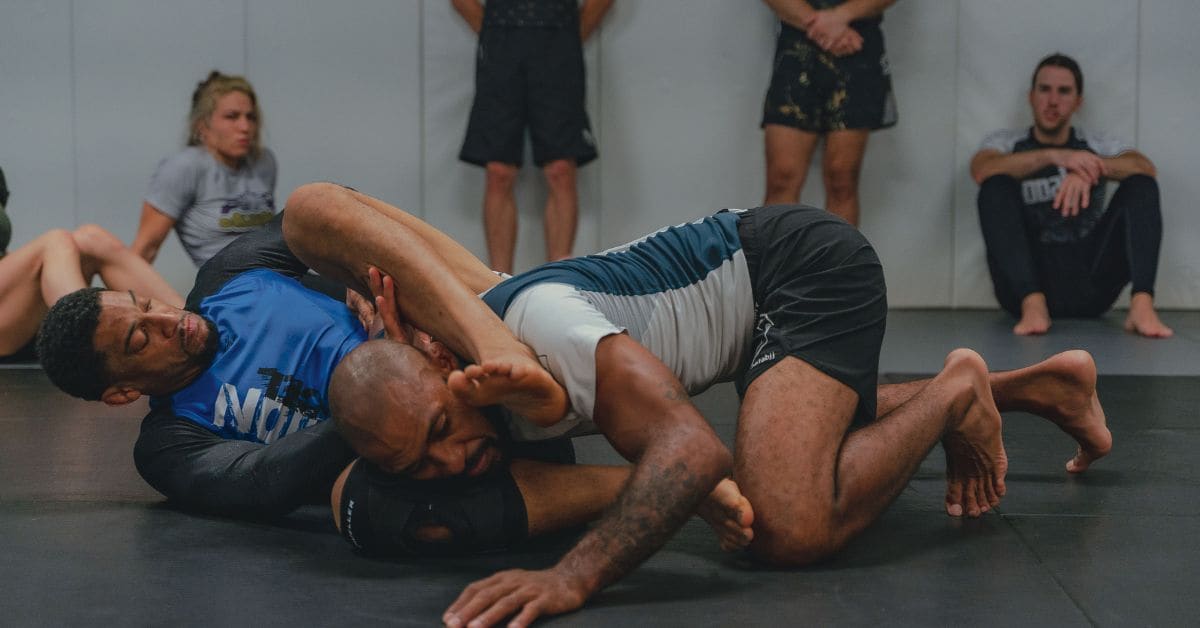
Athletes engage in intense martial arts grappling during a training session indoors.

Does Strength Training for Jiu-Jitsu Make You Stiff or Slow?

Not when it’s planned around your class schedule. The folks who end up stiff and slow have usually stacked hard lifting on top of a full week of rolling.

That’s a scheduling mistake, not a strength problem.

Think about what actually wears you out in a long round. Rarely the cardio.

It’s holding a frame, dragging someone into guard, bridging until your legs stop answering. With more strength, each of those costs you a smaller slice of what you’ve got.

And the old line about technique beating strength? Sure.

Technique comes first.

But between two people at a similar level, the one with more left at the end of the round usually wins the scramble.

What Rolling Builds and What Strength Training for Martial Arts Adds

Rolling builds timing, awareness, a kind of conditioning you can’t get anywhere else. Steady, adjustable resistance isn’t on the list.

The load changes with every partner. Someone lighter, and your back barely works.

Someone heavier, and you spend a whole round under a huge, messy load that’s hard to build on and impossible to compare from one week to the next.

Strength training is the opposite. One clear load, applied the same way, that you add to once it gets easier.

And you don’t give up a single round for it.

Pulling, Hip, and Trunk Strength for Jiu-Jitsu and Martial Arts

Three areas carry most of the grappling work. A good plan goes after each one.

Pulling first. Breaking posture, closing distance, keeping somebody tight once you’ve got them: that’s your upper back and the backs of your shoulders doing the work, and it’s the first thing to go when you’re gassed.

Then hips. Bridging, shrimping, the drive when you shoot in or go to pass, all of it starts there.

And if you sit at a desk all day before class, they’re probably not as ready as you’d like.

The trunk is the link. A heavy partner settles on you, or you’re fighting out of a spot you worked hard to get, and your midsection decides whether your force gets from hips to hands or leaks out sideways.

Hard pulling and hip work hit it anyway. A good coach covers all three and asks which one your sport leans on most.

Why ARX Strength Training Suits Grapplers Who Already Train Hard

ARX stands for Adaptive Resistance Exercise. The machine matches whatever force you put in, rep after rep.

Say you’re still sore from Monday. No plates to load, no pile of extra reps to grind through.

You push as hard as you can that day and the machine meets you there. Walked in beat up?

Tell your coach, and the session gets eased off or pointed somewhere else.

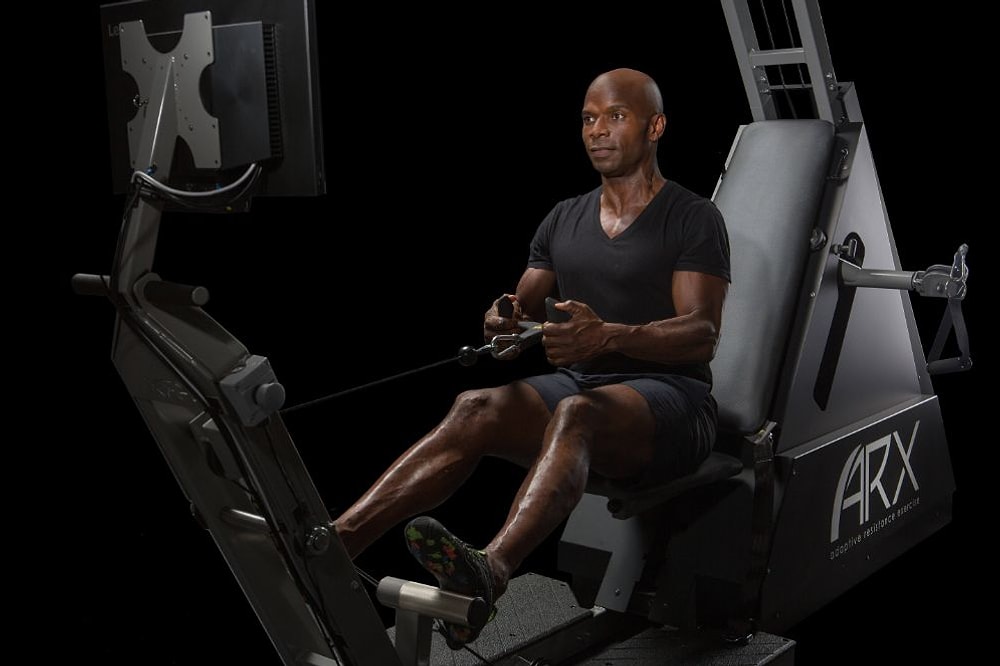
Man doing a seated row on an ARX machine

A session is about 30 minutes, one-on-one, in our appointment-only studio. Next to the hours you spend on the mat, that’s not much to ask.

The machines also track your output. After a rough week of rolling you can see whether your numbers dipped, and our guide to how ARX measures your strength progress explains what your coach is reading.

Fitting Strength Training Around Class and Open Mat in Franklin

Your coach builds the plan around your week, not on top of it.

It starts with a simple conversation. Which nights do you train?

When’s open mat? Is a tournament coming up?

Heavy pulling and hip work goes down easier when it isn’t the day before your hardest rounds, so the schedule gets built from there.

Our fitness center in Franklin has no mats and no sparring. Just strength equipment and a coach.

Technique and live rounds stay at your academy, and the studio is where you build what you carry back to them.

Frequently Asked Questions About Strength Training for Jiu-Jitsu in Franklin

What about bigger training partners?

It can help. Technique still carries you, but a stronger back and hips give you more to work with when you frame, bridge, or just try to hold your spot.

This isn’t about getting heavier. Their weight just stops being such a surprise.

Does this work for karate or Muay Thai?

It does. Kicks and punches start in the hips and trunk, same as a lot of grappling, so the base work carries over.

Striker? Your coach can lean toward pushing and leg drive, and the pulling still pays off in the clinch.

Do I have to be in shape first?

Nope. Come as you are.

The machines follow the force you put in, so a first session meets you wherever you happen to be that day, and your coach builds from there around your classes and how you’re recovering.

No barbells. Is that a problem?

Not really. No barbells or free weights here, just the ARX Alpha and Omni.

Between them they cover pulling, leg and hip work, and pressing. Your coach picks what fits your sport, and the resistance matches your effort on every rep.

Will it help me escape from the bottom?

Honestly, it can. A stronger back and stronger hips put more behind a bridge or a shrimp, so each try costs you less.

It won’t replace drilling the escape, though. Strength just makes the reps you already do in class count for more.

See How Strength Training for Jiu-Jitsu Fits Your Schedule

You don’t have to give up a round to get stronger. Half an hour with a coach, planned around your classes, gives your back, hips, and trunk more to draw on when a roll turns into a grind.

If you’d like to talk through how this would fit your training, LUX Fitness offers a free intro session where you can see the studio and ask whatever you want. Come as you are, no pressure either way.

None of this is medical advice. If training has left you with pain or an injury, check with your physician before adding anything new.

LUX Fitness, 330 Mayfield Dr., Franklin, TN 37067. Phone: 615-282-5882.

A fit man lifting heavy dumbbells outdoors, focusing on strength training and muscle building.

Is Rucking Enough? How Weighted Walking Compares to Strength Training in Franklin, TN

Saturday morning, and the pack is by the back door again. It’s got a couple of books in it, a gallon jug of water, maybe a bag of rice somebody swore by, and you’ve carried it around the same loop through the neighborhood so many times you could do it with your eyes shut.

Your shoulders ache a little by the second mile and your legs are warm, and somewhere around the mailboxes you start to wonder whether this counts as strength training or whether you’re just taking a heavy walk.

Everyone online seems to think rucking is the answer. It feels like work, no question.

You just couldn’t tell anybody whether you’re stronger than you were last spring.

If you’re weighing rucking vs strength training in Franklin, here’s where we land. Rucking is a good habit and an incomplete strength plan, which is a gap we spend a lot of time thinking about at LUX Fitness.

Is Rucking Enough Compared to Strength Training?

No, not on its own. A loaded pack works your legs, your hips, and the muscles that keep you upright, and it leaves most of your chest and arms along for the ride.

That’s a fine thing for a walk to do. A ruck is built for endurance, which is about how long you can haul a moderate load before you wilt, while strength training is about how much force a muscle can make today and whether it can make a bit more next month.

Those are different questions, and a good answer to one doesn’t answer the other.

So keep your Saturday ruck if you love it. Just don’t let it stand in for your strength plan.

What Rucking Does Well Next to Strength Training

Plenty, honestly. Every step costs a little more with a pack on, and your upper back spends the whole morning holding you tall under the weight.

It’s also about the cheapest hobby there is: a backpack, a loop, and a friend. Bring your spouse and it turns into the one hour of the week when nobody’s looking at a phone, and the best routine is usually the one you’re still doing in March.

The limit is that rucking trains one pattern, walking, under one kind of load, so the muscles that gain most are the ones walking already uses.

What Rucking Misses That Strength Training Covers

Rucking mostly misses pushing, pulling, grip, and hard effort under control, and strength training covers those. Think of the parts of your day with no walking in them.

A heavy door to shove open. A drawer stuck on its runner.

A bag to lift out of the trunk. The pack on your back does very little for any of that, and here’s what it mostly skips:

  • Pushing, which is chest, shoulders, and the backs of the arms
  • Pulling, as in a row, where the back does the work
  • Grip, because the pack sits on your shoulders and your hands just swing along
  • Hard effort, under control, through the full range of motion

That last item matters most. The pack weighs the same on the last mile as on the first, so no muscle gets pushed near its limit, and a muscle that isn’t pushed may have little reason to change.

We wrote up why grip strength matters for the same reason. A pack never asks a thing of your hands.

Man doing a seated row on an ARX machine

How Rucking and Strength Training Each Get Harder

Rucking gets harder in one way and strength training in another, and the difference is in who sets the load. Rucking has two dials.

More weight in the pack, or more miles on the loop. That’s the whole menu.

Strength training has more to turn. ARX matches the effort you put in, so as you get stronger the work climbs with you.

Then there’s what you write down. After a ruck you can note the pack weight and the miles.

That tells you what you carried and how far, and a longer walk with a heavier pack is still just a longer walk.

How ARX Strength Training Covers What Rucking Leaves Out

Here’s the difference you’d feel in the first few minutes on an ARX machine. You push, and it pushes back exactly as hard as you do, no more.

(The letters stand for Adaptive Resistance Exercise.) There are no plates to load and no stack of weight waiting to drop on your last rep, so the effort that sets the load is all yours.

Our private studio in Franklin has ARX machines that let you push and pull with your upper body as well as work your legs. That covers the chest, back, and arms a pack leaves out.

Everything is one-on-one, so your coach is standing right there.

On ARX every rep is measured and the screen shows your effort, a check that a pack on your back can’t give you. That’s a plainer read on a session than “that hill felt easier today.”

Strength is one piece of a healthy routine here, and we’re not a medical practice. If something hurts, or you’ve got a health concern, check with your doctor first.

Frequently Asked Questions About Rucking vs Strength Training in Franklin

Does rucking build muscle?

Some, mostly in the legs and hips. A new rucker often feels it in the thighs the next morning.

A few weeks on, the same pack stops being news. It rarely pushes a muscle close to its limit, and that push can be a big part of what builds muscle.

How heavy should a rucking pack be?

Lighter than you’d guess. Leaning forward or shortening your stride means the pack is too much.

Add weight a little at a time over several weeks. If your back, knees, or feet start to nag, ease off and ask your doctor before adding more.

How can I tell if rucking is making me stronger?

Mostly you can’t. The loop feels easier, and that’s the extent of it.

Pack weight and miles describe what you carried. They can’t say what your muscles can produce, so whether your legs got stronger stays a guess.

What does ARX add that a heavier pack can’t?

Reps that get measured. The screen shows your effort on every rep, so you aren’t left guessing.

A heavier pack just sits on your shoulders and keeps quiet.

Do I need to be strong already to start strength training at LUX?

No. Come as you are.

Tell your coach where you’re starting from at the free intro session. It’s one-on-one, so there’s no room full of people to keep up with, and you don’t need any lifting history.

Choosing Between Rucking and Strength Training

A ruck makes a walk harder, and that has real value. Building strength through your whole body is a different job.

Strength training can reach every major muscle group. It keeps getting harder as you do, and every rep is measured.

If you only have room for one, ask what you’d rather have more of: long steady walks, or strength built on purpose.

If you wonder what your shoulders and back have been missing on those Saturday loops, our wellness center in Franklin starts every new member with a free intro session.

Come see the studio, bring your rucking questions, and ask how a session compares to a Saturday loop. There’s no pressure.

None of this is medical advice. If you have pain or a health concern, check with your physician before adding anything new.

LUX Fitness, 330 Mayfield Dr., Franklin, TN 37067. Phone: 615-282-5882.

Ben Cluff November 15, 2026 Uncategorized Read more
Three cyclists enjoying a ride through a scenic forest on a sunny day.

Strength Training for Cyclists in Franklin, TN: Building Power Off the Bike

The group is pulling away on the second long hill, and you watch the gap open one wheel at a time.

You’re not out of breath, exactly. Your legs just don’t have another gear.

Ride the hilly back roads around Franklin and you know they don’t let that slide. More miles won’t always fix it, either.

Riding builds stamina, and it doesn’t always ask your legs for the kind of force a steep pitch does.

So you head out again on Saturday a little more determined, and the same thing happens on the same hill. It’s a strange kind of frustration, because you’re fit and you’re putting in the hours.

Strength training for cyclists in Franklin goes after that missing force in the legs, hips, and trunk behind every pedal stroke. At LUX Fitness it happens in private, one-on-one sessions with a coach.

Client is performing a controlled strength exercise while a professional trainer provides coaching nearby.

How Strength Training Improves Cycling Power

It can let your legs make more force, so the pace you already ride costs you less. That’s the short answer, and the rest of this is how it plays out on a Franklin road.

Think about what a long ride really asks of you. Hours of pedaling, yes, but at a push your legs can keep up all day.

Even a rough morning in the saddle rarely demands the all-out kind of effort a short steep climb does. So the engine gets bigger and the top gear stays parked.

Get stronger and that steady pace may stop feeling like work.

Picture two riders with the same engine. One has a little extra force in the tank and the other doesn’t.

They look identical on the flats. Then the road tilts up, and only one of them has anything left to spend.

Which Muscles Matter for Strength Training for Cyclists

Start with what pushes the pedals, meaning glutes, quads, and hamstrings. Your trunk and upper back have a quieter job, which is keeping that push aimed where it belongs.

Plenty of riders lean on the quads for everything while the glutes barely clock in. Share the load out and hour three may feel different.

Then there’s the top half. Hands on the bars, back rounded, neck craned for hours.

Once the trunk tires, the bike gets twitchy and the shoulders send the bill.

Why Climbs and Sprints Depend on Leg Strength

Because they ask for far more force than cruising does. On a steep pitch you’re lifting yourself and the bike with every stroke, and a sprint wants everything you’ve got for a few seconds.

With more in reserve you make the effort, then settle back into your pace without blowing up. That’s the ride where you come over the top still able to talk.

Handy when you’re hanging with a group on a hilly route.

Say someone attacks near the end of a group ride. You’ve got about a second to decide.

Bigger reserve, you get to choose. Without it, the choice gets made for you.

One more thing. Pedaling is one leg at a time, and if one side quietly does more of the work, that can cost you some power.

Tell your coach if one leg feels like it does more of the work.

How Strength Training Helps Cyclists Hold Position on Long Rides

A stronger trunk and back can keep working after your legs are tired. Late in a long ride, you either stay smooth or you fidget through the last hour.

You know the signs. Shifting around, shoulders rounding, more weight creeping onto your hands.

Those are the trunk and back muscles giving out, and they’re worth a mention to your coach.

Ongoing pain on the bike? See a bike fit professional or your doctor first.

Strength work supports your riding. It won’t replace a proper fit or a medical opinion.

Strength Training for Cyclists at LUX Fitness in Franklin

We train riders on ARX, which matches the force you produce through the whole movement. A hard leg effort, no plates to guess at, no momentum to manage.

Each rep is measured, so the screen shows how much effort your legs gave instead of leaving you to guess from how the ride felt. That kind of measured effort is how our fitness center in Franklin approaches any goal, and our page on ARX training sessions covers how a session runs.

Sessions are private and one-on-one. Ask your coach about your riding while you work.

Nobody else is listening.

Bring it all to the free intro session. The roads you ride, the days that wear you out, the events you care about.

Then ask your coach how they’d think about it.

Strength Training for Cyclists Through the Season

A rider can tell the coach about the season at the free intro session. Late fall and winter bring shorter days and colder rides, and spring brings the events, so it helps to say which stretch you’re in.

Plenty of riders wonder how lifting sits next to a hard week on the bike. Order matters on a given day too, and we cover that in our guide to doing cardio before or after strength training.

Bring your questions about the season to your coach. Whether it’s a spring event, a winter of indoor rides, or just a hilly Saturday group, it helps to say it out loud.

Frequently Asked Questions About Strength Training for Cyclists in Franklin

Does lifting make you heavier on the climbs?

It might for some riders, though how much depends on the person and how you train.

If your weight on the climbs worries you, say so on day one and talk it over with your coach. Ask early.

Will my legs feel heavy for a bit?

Maybe, for a bit. Your legs are learning new work, so take the next ride easy and see how they feel.

Still heavy after that? Tell your coach.

What if I ride mountain bikes?

Mountain bikers are welcome too. Rough trails lean harder on the upper back and shoulders, so mention that when you describe your riding.

Tell your coach which kind you ride most, road or trail.

What should I tell my coach about my riding?

Start with where you ride. Which roads, which hills make you wince, what bugs you on the bike.

Your coach can only work with what you share, so share the details.

Does it change my cadence?

Not directly. Cadence is a skill you build on the bike, and it stays yours to choose.

What changes is how a gear feels. With stronger legs it may feel a little easier, and that gives you more room to pick the cadence a climb or a flat stretch asks for.

Try Strength Training for Cyclists With a Free Intro Session

Remember the ride where your legs just kept going? Stronger legs may make more of those days.

Curious how this would sit next to your riding? A free intro session at LUX Fitness is an easy way to find out.

Tell us about the hills that give you trouble, and we’ll walk you around the private studio and answer your questions about a session. No pressure, no surprises.

None of this is medical advice. If you have pain or a health concern, check with your physician before adding anything new.

LUX Fitness, 330 Mayfield Dr., Franklin, TN 37067. Phone: 615-282-5882.

A focused view of a male athlete performing squats in a gym setting, emphasizing fitness and strength.

Cracking Knees and Popping Shoulders: What Joint Noise Means During Strength Training in Franklin, TN

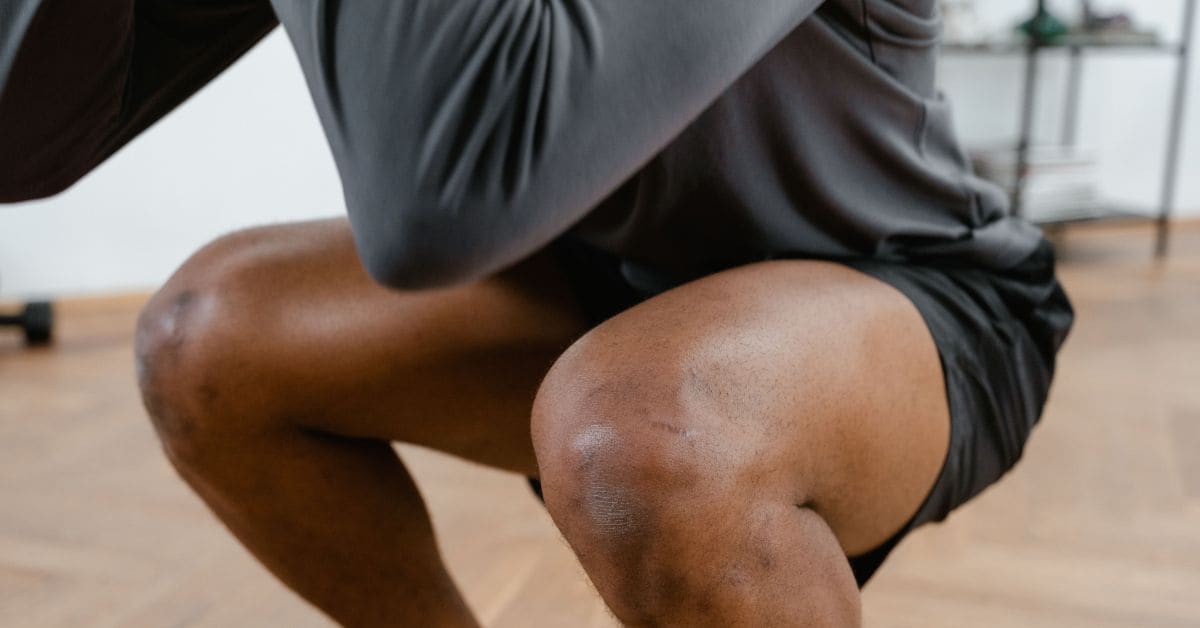
Third rep of a squat, near the bottom, and your knee goes crack. Loud enough that you hear it over the music.

You stop. Half a second, maybe less, but long enough to think, okay, what did I just do?

Nothing hurts. Your coach hasn’t even blinked.

And still the thought sticks around until the next set.

Here’s what we tell people at LUX. Joint cracking during exercise is really common, and a pop with no pain doesn’t say much on its own.

What counts is whatever shows up alongside it. If something feels off, ask your doctor, not us, because we run a strength studio and nobody here is a medical provider.

Fit woman doing a dumbbell push-up in a gym, highlighting strength and fitness training.

Why Do Joints Crack During Exercise?

Usually for one of two ordinary reasons: gas in the joint fluid, or a tendon sliding over a bony edge.

Take the fluid one first. Your joints sit in a little capsule of the stuff, and when you move one through a bigger range the pressure shifts, a bubble forms or collapses, and you get a single sharp pop.

The tendon version sounds different. More of a click or a snap, and it loves to happen in the exact same spot, rep after rep.

There’s also a softer, crunchier noise called crepitus. Knees and shoulders do it the most.

Why Some People Seem Noisier Than Others

Some people are just louder. Your build, what you’ve done with your body over the years, even how long you sat in the car before you walked in.

Two people can feel equally fine and sound nothing alike.

And the noise comes and goes. A knee that was silent for months might start chattering after a long flight and then go quiet again, no explanation.

Why Do My Knees Crack During Squats and Lunges?

Because a deep bend sends the kneecap a long way up and down the thighbone, so a click isn’t a shock. It’s a lot of moving parts in a small space.

The loud ones usually come early. First few reps, particularly if you’ve been parked at a desk all morning or you just sat through a drive across town.

A few reps in, things warm up and the racket calms down. Not every time, though.

Some knees just stay chatty.

Honestly, your coach isn’t listening for the noise. They’re watching the knee.

Is it tracking over your foot, or drifting in? Does it feel solid under you, or wobbly?

That’s what gets their attention.

Try this at home. Lower yourself into a chair really slowly and see where the sound happens.

Same spot every time, nothing hurts? Mention it at your next session.

And if it keeps bugging you, mention it to your doctor too.

A muscular man performing a weightlifting squat with a coach guiding him indoors.

Why Do My Shoulders Pop During Presses and Rows?

Because the shoulder is shallow, goes in every direction, and has a bunch of tendons running around it. When your arm goes overhead or reaches back behind you, something can shift and click.

Pops tend to show up at the end of the range. Top of a press, bottom of a row, that kind of spot.

When that happens your coach might shorten the movement a little or tilt your arm angle, and often that smooths it out.

Hips, ankles, even the upper back can do it. Same advice for all of them, really.

Pay attention to how it feels, not how it sounds.

When Is Joint Noise During Exercise Worth a Doctor’s Visit?

When it’s got company. The sound alone isn’t the warning sign.

We’re a strength studio, not a medical provider, so this is the point where we hand it to someone who is.

So what counts as company? Pain with the noise, either right then or later in the day.

Swelling or warmth around the joint after a workout. A joint that catches, or locks up halfway through a rep.

A knee or shoulder that feels like it might give out. Any new sound that started after a fall, a twist, or a hit.

Any of those, check in with your doctor or a physical therapist.

We don’t diagnose joint problems, and our coaches won’t try. If one of those signs shows up during a session, tell your coach, skip that movement for the day, and get it looked at before you try it again.

How a LUX Coach Handles Joint Cracking During a Session

Sessions here are one-on-one, by appointment. So when a knee clicks or a shoulder pops, your coach is standing right there.

No guessing.

First question, every time: does it hurt? If not, and the joint is moving fine, you keep going.

Maybe with a little cue to slow down or shift your stance. Honestly, we’d rather hear about a new sound than have you stewing over it through a whole set.

Warming up helps, and plenty of people wonder how much. We wrote a guide on whether you need to stretch before lifting if you want the short version of what a warm-up does.

The machine matters too. We train on ARX, and it pushes back as hard as you push.

So the rep stays smooth, no jerk at the bottom, and your coach can keep it slow and controlled. That’s a big piece of our joint-friendly strength training approach.

Frequently Asked Questions About Joint Cracking During Exercise in Franklin

Should I stop exercising if my knees crack?

No. Not if the cracking doesn’t hurt and nothing else has changed.

Knee noise during squats and lunges is really common. If it does hurt, or the knee feels unsteady, stop that movement and run it by your doctor before you try it again.

Does joint cracking mean I have arthritis?

No, cracking by itself doesn’t mean arthritis, and only a doctor can say what’s going on in a joint. Plenty of people with perfectly comfortable joints are noisy movers.

It’s the pain, the swelling, or the stiffness that won’t go away that’s worth getting looked at.

Is it bad to crack my joints on purpose?

That’s a question for your doctor. We coach strength, we’re not a medical provider.

What we can say is that the sound isn’t the thing to watch. If you keep wanting to crack a joint because it feels tight or off, tell your doctor, and tell your coach too.

Can strength training make joint noise go away?

Not necessarily. Some people say their joints feel steadier once the muscles around them get stronger.

Plenty of joints stay noisy for life and feel totally fine, though. Our goal is comfortable, controlled movement.

If the joint goes quiet too, great, that’s a bonus.

Does joint cracking mean I should lift lighter?

Not on its own. A crack with no pain doesn’t mean the weight is wrong.

Joint feels steady, moves well? The weight can usually stay put.

Once the noise starts showing up with discomfort, that’s when a coach may lighten it or shorten the range.

Training With Confidence at LUX Fitness

Most of the time a cracking knee or a popping shoulder is just a sound you happen to notice. How the joint feels matters way more.

And a coach watching every rep is there to notice the stuff that needs a second look.

If joint cracking during exercise has made you hesitate, come in for a free intro session at our wellness center in Franklin. Come look around, tell us what you’re after, and we’ll explain how sessions work.

That’s all.

No pressure.

None of this is medical advice. If a joint worries you, check with your physician first.

LUX Fitness, 330 Mayfield Dr., Franklin, TN 37067. Phone: 615-282-5882.

Ben Cluff November 15, 2026 Uncategorized Read more

How Strong Should You Be for Your Age? What ‘Strong Enough’ Really Means in Franklin, TN

You’re at the back of the car with a big bag of dog food, and it doesn’t come out of the trunk on the first try. Your lower back files a complaint about the second one.

Nobody saw. You think about it anyway, all the way to the garage.

Is this just what happens at your age? Or did something slip while you weren’t looking?

That’s the quiet question behind a lot of searches for how strong you should be for your age, and plenty of people around Franklin type it in right after a moment like that. Straight answer: there isn’t one number that fits everybody.

There is a better way to ask the question, though, so let’s get to it.

How Strong Should You Be for Your Age?

Strong enough that normal life doesn’t take everything you’ve got. That’s the working answer, and it looks different on different people.

Somebody who flies out every Monday and somebody who gardens all weekend are asking very different things of their bodies, even when both want to stay capable for decades.

Age matters, sure. Muscle you never challenge tends to fade, whether you’re thirty-five or sixty-five, but it also responds to being challenged at almost any age.

So “am I strong enough?” always has a next step.

We call it margin. If hauling groceries uses up most of what you’ve got, nothing’s left for a rough week, a long drive, or the grandkid who wants to be picked up.

Active adult performing a glute bridge exercise in a private fitness studio

Why Age Charts Rarely Answer How Strong You Should Be

Because a chart shows averages, and you’re not an average. Height, weight, training history, old injuries, even how the test was run all get squished into one tidy line, and then you’re supposed to find yourself on it.

It goes wrong in either direction. Land under the line and you feel beaten before you start.

Land over it and you decide you’re fine and stop paying attention.

Charts also test one movement at a time. Real life doesn’t.

You carry something up the stairs while answering a text and a kid asks you a question, usually at the end of a long day when you’re already wiped.

So we watch your own numbers instead, and how they change.

How Strong Should You Be for Everyday Life in Franklin?

Strong enough that everyday stuff feels routine, not planned. A handful of ordinary moments will tell you more than a chart ever could, so try noticing them this week.

Can you get up from a low chair or a car seat without shoving off with your hands? Carry a case of water from the driveway to the kitchen in one trip?

Put a heavy box on a high shelf and stay in control of it? Climb a full flight of stairs with your arms full, or get down on the floor and back up without planning it first?

If a couple of those already feel like work, good to know. Not a verdict.

Just a pointer to where strength training would help first.

If they all feel easy, great. Then the job is protecting that margin, because keeping strength is way simpler than rebuilding it later.

Does Strength Fade With Age, and What Can You Control?

Some of it does. But a good chunk of the drop comes from using your muscles less, and that part you can change.

Long workdays, hours at a desk, years of starting and stopping exercise, they all speed it along.

You can’t change your birthday. You can change how often your muscles have to push against real resistance, and controlled strength training, done steadily, is the most direct way we know to build and keep muscle as you get older.

Steady beats intense. The program you keep showing up for will do more for you at sixty than a brutal one you quit after three weeks.

Our sessions run about 30 minutes, one-on-one, by appointment, in a private studio. For a busy adult in Franklin that’s often the difference between a plan that survives the calendar and one that doesn’t.

Active adult age 65-75 performing a supervised strength training exercise in a premium private fitness studio

How to Find Out How Strong You Are Without an Age Chart

Measure it. It’s the most reliable way to know, and tracking it over time turns a vague worry about age into a starting point you can actually work from.

At LUX Fitness, our strength assessment and baseline testing in Franklin uses ARX (Adaptive Resistance Exercise) equipment, which adjusts resistance to your effort and records the force you produce.

You’re not stacked up against some stranger’s average. You’re comparing today’s numbers with your own.

That shifts the question. “Am I strong enough for my age?” becomes “Am I stronger than I was last month?” and you can answer that one.

Curious what that first session looks like? Our guide to your first strength assessment walks through it.

Frequently Asked Questions About How Strong You Should Be for Your Age in Franklin

Is it too late to get stronger at 50 or 60?

No, it’s not too late. Muscle keeps responding to controlled, steady strength training well past 50 or 60.

Adults who haven’t trained in years are a normal starting point at LUX Fitness in Franklin, so nobody’s going to be surprised by where you begin.

Should men and women judge their strength the same way?

Both are better off comparing against their own baseline, not each other. Body size, history, and goals vary way too much for one shared standard to mean much.

Tracking your own numbers over time gives you a fairer picture, and honestly a more motivating one.

How do I know if I’m weaker than I should be?

Everyday strain is the clearest sign. If getting up from a chair or carrying heavy bags takes real effort, that’s worth acting on, though it isn’t a diagnosis.

A strength assessment on ARX at LUX Fitness gives you a real baseline instead of a guess.

Do I need to lift heavy weights to stay strong as I age?

No, you don’t need heavy barbells. What matters is pushing your muscles with controlled effort against enough resistance.

On ARX at LUX Fitness the resistance rises with how hard you push, so a hard set never means loading plates.

Do I need to be strong already to start at LUX Fitness?

No, you don’t need any starting strength. Your coach begins wherever your baseline is, so there’s no minimum to meet.

Every new client starts with a free intro session in our Franklin studio, where you’ll see the space and talk through your goals.

Strong Enough for the Life You Want in Franklin

The right amount of strength for your age is whatever lets you live fully, with some to spare. Maybe next time that bag of dog food comes out of the trunk in one pull, you won’t give it a second thought.

If you’re curious where you stand today, a free intro session at LUX Fitness is an easy place to start. No pressure.

We’ll show you the studio, talk through your goals, and explain how strength testing fits into the coached, one-on-one training at our fitness center in Franklin.

None of this is medical advice. If you have health concerns, check with your physician before starting a new exercise program.

LUX Fitness, 330 Mayfield Dr., Franklin, TN 37067. Phone: 615-282-5882.

Hand selecting an exercise on the ARX touchscreen

Training to Failure in Franklin, TN: What It Means and How Coaching Keeps It Safe

Picture the free-weight corner of a big gym on a weeknight.

A guy is under a bar with his face going red, and his buddy is hovering over him, yelling that he’s got one more in him. Maybe he does.

If you’ve watched that and wondered whether you’re supposed to train that way, you’re not alone. Plenty of busy people in Franklin figure a set only counts when the arms shake, and then decide that sounds like too much.

You have a job, a family, and no room in the calendar for feeling wrecked on Thursday.

So what is it, really?

Training to failure means working a set until your muscles can’t finish another clean rep. At LUX Fitness we use it sparingly, as a coached tool and never as the point of a session.

Athlete tightening barbell plates in a gym, emphasizing fitness and strength.

What Does Training to Failure Mean?

It’s a set you carry on until you start a rep and can’t finish it the way you began, with the same range and control. That’s the whole definition.

Coaches split it into two kinds. Technical failure is the moment your form starts to go: a knee wanders, your back arches, you start twisting around to cheat the weight up.

Absolute failure comes later, when the muscle flat-out can’t move the load, clean or sloppy.

For most people only the first kind matters, because once form goes, the work slides off the muscle you meant to train and onto joints and little helper muscles that never signed up for it.

What Are Reps in Reserve?

Reps in reserve, or RIR, is a plain count of how many good reps you still had when you stopped. Stop with two in reserve and you could have squeezed out two more.

Everyone guesses badly at first. It gets sharper once a coach tells you how close you were.

Do You Need Training to Failure to Get Stronger?

No. Plenty of people assume a set only counts if it ended with a grunt and a shake.

A muscle gets stronger when you ask it for a bit more than it’s used to, week after week, and a set that stops two reps shy of failure asks just fine.

So why does the myth hang on? Failure looks like work.

A shaky arm, a red face, somebody counting you down from the side. We figure the suffering did the job, when it was the ordinary sessions behind it.

Soreness gets the same credit. Some people decide a workout was wasted because they could still walk downstairs the next morning, and we’ve written about whether you have to be sore for a strength workout to count.

What helps more is simple: can you come back Thursday? Somebody who recovers and shows up again will beat the once-a-month hero over a year, and that’s what we care about at LUX.

Go to failure on every set and recovery gets harder, and then skipping starts to look pretty tempting.

When Does Training to Failure Make Sense?

Now and then, in small planned doses, and mostly when somebody experienced is watching.

A coach might take the last set of one exercise a little closer to the edge, or use a set to see how much stronger you’ve gotten since last month.

Who you are matters. Somebody still learning a movement gets more out of five clean reps than from chasing a sixth, while a client with a solid base can take the odd push nearer the limit.

Your day matters too, since short sleep or a deadline week shifts the right amount of effort, and that’s easier to judge with another person watching.

How Does LUX Keep Training to Failure Safe?

A coach makes the call, one set at a time. At LUX Fitness your coach decides whether a set stops with a rep or two in reserve or goes closer, depending on your goals, your experience, and how you’re moving that day.

That judgment is baked into our trainer-guided ARX sessions. Everything’s one-on-one and by appointment, so your coach is watching your form on every rep.

What Does ARX Change?

Think about the last rep of a hard set on a regular machine. The weight’s the same as it was at rep one, you’re fading, and the stack doesn’t care.

ARX works the other way round. It reads what you’re pushing and gives back about that much, so when you fade it fades with you, and nothing heavy is left hanging over you.

(The letters stand for Adaptive Resistance Exercise, if you’re wondering.)

The machine keeps a record of your output too, which lets your coach watch the number slide instead of squinting at your face.

What Does a Coach Watch For Near the End of a Set?

Mostly small things. The range of motion shrinks.

A knee wobbles in, or an elbow flares out, or maybe you’ve stopped breathing and don’t know it. Any of those and your coach calls the set or changes a cue, so you leave with a hard effort that still looks like the movement you started.

Frequently Asked Questions About Training to Failure in Franklin

Should beginners train to failure?

Usually not. A beginner’s first job is getting each movement to feel right, and a set that stops a rep or two early builds strength just fine while that happens.

Your coach at LUX Fitness will tell you when you’re ready for harder sets, so you aren’t left guessing.

Is training to failure the same as testing your max?

Nope, they’re different. A max test is a hunt for the heaviest single rep you’ve got in you, while failure is what happens at a load you could move several times, once the good reps run out.

You don’t need either to get stronger, and your coach decides whether you’d ever do one.

Is training to failure bad for your joints?

Not by itself. What causes trouble is grinding out reps after your form has already gone, since that loads parts of you that weren’t built for it, and that’s why coaches tend to call the set at technical failure.

Got a joint condition or an old injury? Run it by your doctor first.

Is it normal to feel shaky after training to failure?

Yes, a little shaky is common. The muscle has just used up what it could give for the moment, and a short rest usually settles it down.

If you feel dizzy or sick, or you’ve got actual pain instead of plain tiredness, stop and tell your coach right away.

Is training to failure the same as working hard?

No. You can work hard, and work well, and still stop a rep or two shy of failure.

Hard work is showing up and giving a real effort session after session, and failure is just one of several ways a single set can end.

Is Training to Failure Worth It for You?

Sometimes, in small doses, with a coach beside you. Strength comes from effort you can recover from and repeat, and that’s how our fitness center in Franklin approaches every session.

If you’re curious where your own hard-but-repeatable line sits, a free intro session is an easy way to find out. We’ll show you around the studio, talk through your goals, and explain how sessions work, no pressure.

None of this is medical advice. If you have a health condition or an old injury, check with your doctor before pushing hard sets.

LUX Fitness, 330 Mayfield Dr., Franklin, TN 37067. Phone: 615-282-5882.

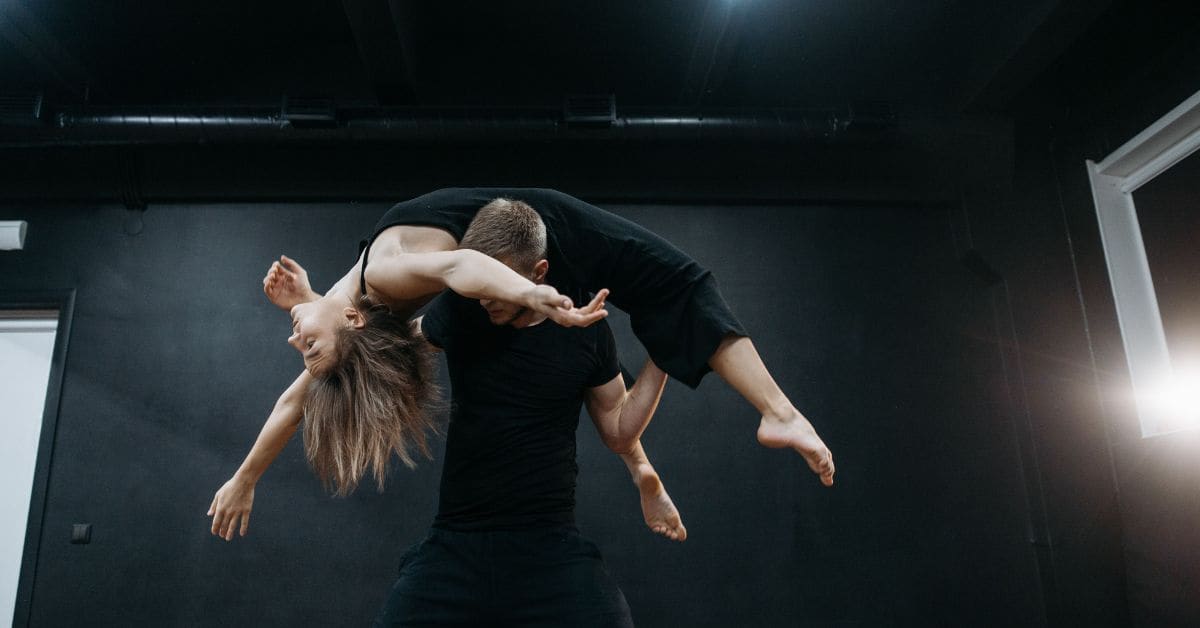
Two dancers in black outfits perform an impressive lift in a studio setting.

Strength Training for Dancers in Franklin, TN: Stronger Legs and Steadier Footwork

It’s song four, and your legs have gone quiet. The steps are still in your head.

Your feet just aren’t getting there on time.

Your partner notices, even if they’re too nice to mention it. You land a little heavier than you meant to, a turn finishes half a beat late, and that dip you nailed at the start of the night suddenly feels like a coin flip.

Maybe you dance every week in a class. Maybe it’s socials, or a wedding where the band actually plays.

Either way, you don’t want to dance less, and you’ve probably wondered if a gym could do anything for you.

The drive home is the worst part. You replay the bad turn, the rushed step.

Was it the music? The shoes?

Or just tired legs?

We think strength work is worth a conversation. Strength training for dancers in Franklin, at our private studio, means one-on-one coaching with someone who has time to hear what you dance and how your legs feel by the end of a night.

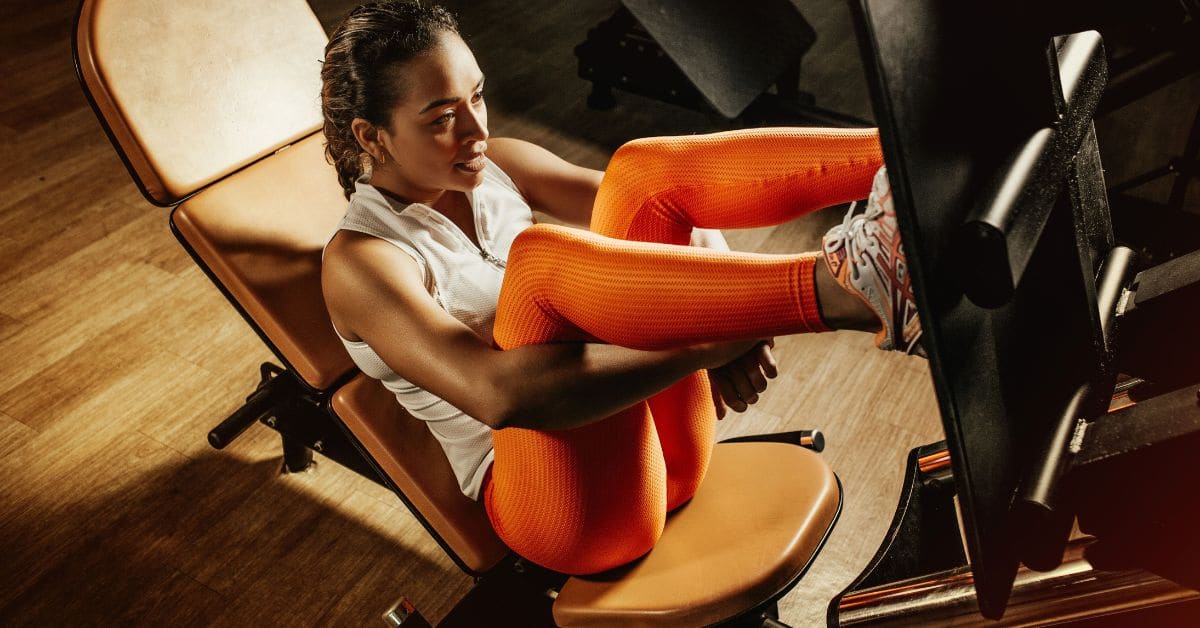
Fit woman using a leg press machine at the gym. Perfect workout and fitness stock photo.

Why Does Strength Training for Dancers Matter If You Already Dance a Lot?

Because a night of dancing isn’t a leg workout, even if your legs are sore the next day. You get rhythm and stamina, sure.

Building strength is a different job, and it usually takes work done on purpose.

That’s the gap the gym fills. Swing, salsa, ballroom, two-step, whatever you dance, you end up in the same spot sooner or later: tired legs, one more step to land.

A little more strength behind each step gives your form something to lean on.

Dancing is a great workout, and it builds things a gym can’t.

It just builds something different. Some dancers get curious about both.

Which Muscles Matter Most in Strength Training for Dancers?

Mostly your glutes, thighs, calves, and trunk. That’s the short list.

Try this next time you land from a little hop. Feel what catches you?

That’s your hips and thighs, soaking up the whole drop. When they’re tired the landing goes flat and clumsy, and you’ll notice it mid-song, long before your partner does.

Calves do a lot of quiet work. Think of every moment up on your toes, bouncing along, holding a long turn.

Your trunk has the odd job of staying quiet while your feet go wild.

Why Do Landings Matter in Strength Training for Dancers?

Because every landing is your legs catching your weight and slowing it down before the next step. Hips, thighs, and calves share that job, and it repeats all night long.

Strength training works those same muscles, and the free intro session is a good place to ask how. Nobody can promise how that will feel on the floor, and it won’t show up in a week.

It’s something you notice over time, or you don’t.

Close-up of a man deadlifting a heavy barbell in an indoor gym setting.

How Does Strength Training Steady a Dancer’s Footwork?

By working the legs you lean on late in the night. Picture the fourth run-through of a routine, when your feet start landing a hair behind the beat and you’re thinking about your knees instead of the choreography.

That late stretch of the night is what strength work is aimed at.

What Does a Strength Training Session at LUX Fitness Look Like for Dancers?

It’s one-on-one on ARX (that’s Adaptive Resistance Exercise), in a private studio. There’s no weight stack to pin.

The machine matches however hard you push, so the last rep is as honest as the first.

Your coach starts with a few questions. What do you dance?

How have your legs felt lately? Then you get to work.

Each rep is measured, and the screen shows the effort you gave from the first rep of a leg set to the last.

Curious how the machine works before you book? We wrote up how adaptive resistance differs from lifting weights in plain language.

What Should You Tell Your Coach About Strength Training for Dancers?

Start with your dance life. The free intro session is a conversation, and you can bring as much or as little as you like.

Here are a few things you might want to say:

  • What you dance, and how often
  • Which nights and classes are the busy ones
  • Whether you lead or follow
  • A showcase or competition date, if one is coming up
  • How your legs feel by the end of a night

None of that is a test. It’s just a way to let your coach know who’s walking in.

You’re free to ask questions back, too, like how your coach thinks about the days around a big night. There’s no one-size answer, so it helps to ask.

Our private gym in Franklin is one-on-one personal training, which leaves room to talk through your dance life with your coach.

Frequently Asked Questions About Strength Training for Dancers

Can I talk to my coach about partner dips and lifts?

Yes. Tell your coach whether you lead or follow and which moves feel hardest, then ask how they’d approach it.

It’s a good question to bring up, and there’s no pressure to have it all figured out beforehand.

Which dance styles can I bring to a strength training session?

Any of them. Ballroom, swing, salsa, and two-step dancers all lean on their legs, so there’s no style you need to leave at the door.

Tell your coach what you dance and what a typical night asks of you, then ask what they’d want to know next.

Should I talk to my coach before a performance or competition?

Yes, bring it up early. Share the date of your showcase or competition and ask your coach how they’d think about the days leading into it.

It’s a good thing to ask your coach straight out, and you’ll hear their answer firsthand.

What if dance shoes or heels leave my legs tired?

Mention it to your coach. Plenty of dancers finish a night with tired calves and feet, and your coach can hear how your legs feel and talk it through with you.

If heels leave your feet or ankles hurting, not just tired, check with your doctor first.

Do I need a dance background to train at LUX Fitness?

No. You don’t need to have danced a step, and you don’t need to have lifted anything either.

You’re welcome whether you’re brand new or years in. Just tell your coach what you’re learning.

Strength Training for Dancers Without Giving Up a Night on the Floor

Nobody’s asking you to dance less. Strength training can sit beside your classes and socials, and you can talk through how it might fit with your coach.

If you’re curious how it’d fit your calendar, a free intro session at LUX Fitness is an easy first step. We’ll show you the studio, ask what you dance and what you’d like out of it, and that’s all, no pressure.

Come with your floor questions. The turns that wobble, the nights that run long, the moves you’d like to feel steadier on.

The first conversation is yours to steer.

None of this is medical advice. If a dance injury is bothering you, talk with your physician before starting new training.

LUX Fitness, 330 Mayfield Dr., Franklin, TN 37067. Phone: 615-282-5882.

Golfer taking a swing on a sunny day, showcasing leisure and sport on a lush golf course.

Strength Training for Golfers in Franklin, TN: Building a Stronger, More Stable Swing

Most golfers spend their practice time on the range and almost none of it getting stronger. The range grooves your swing, but it’s your hips and upper back that have to hold that swing together from the first tee to the last green.

Get stronger there and your posture and turn hold up better on the back nine. That’s what strength training for golfers at our Franklin studio is built around, with a coach working one-on-one with you on ARX.

What Strength Training for Golfers Adds to Range Time

A bucket of balls is good for timing and feel. It won’t make the muscles behind your swing any stronger, though, because hitting balls never asks more of them than a round already does.

Strength training picks up that slack. Stronger hips and a stronger upper back hold your setup and carry you through the turn with less wobble, so your lessons have something solid to work with.

League regular or a few rounds a season with friends, it’s the same story. The swing asks the same things of your body either way.

Young woman exercising with resistance band in a park during springtime.

Hip Strength for a More Stable Golf Swing

Your hips do two jobs in the swing: they anchor your stance and they power the turn. They load on the backswing, then drive you through the ball while your legs keep you planted.

When the glutes and hamstrings are weak, the lower body sways or slides. Then your hands and arms end up trying to rescue the shot with timing.

Hinging movements like the deadlift and Romanian deadlift train the glutes and hamstrings together. The belt squat adds leg strength without loading the spine through the shoulders, which some golfers with a stiff back prefer.

How Upper Back Strength Helps Golfers Hold Their Posture

Your upper back keeps your chest over the ball while you turn. Once it tires, you start standing up out of the shot, and the swing gets a lot harder to repeat.

Rows, pulldowns, and the high pull build the muscles between and around the shoulder blades. Stronger upper back muscles help you stay in your spine angle longer, which is the position your instructor keeps asking you to hold.

Where Rotational Strength in the Golf Swing Comes From

Most rotational strength in the golf swing comes from the hips and upper back working together. It isn’t about twisting harder through your midsection.

So you can skip the long list of twisting exercises. Get the hips and upper back strong, and let your swing practice handle the timing between them.

Your coach can also add torso extension work on the ARX Alpha to support the back during the long, bent-over posture of a round. The goal is a body that holds up through the turn, not a separate ab routine.

personal trainer coaching a client doing dumbbell exercise

Golf Strength Training on ARX at LUX Fitness

ARX, or Adaptive Resistance Exercise, adjusts to however hard you push, so a golfer coming off a long week and one who is fully rested both get the right amount of work. There are no plates to load and no weight to choose.

On the ARX Omni, your coach can draw on the deadlift, Romanian deadlift, belt squat, row, pulldown, and high pull for the movements golf leans on. Every rep is recorded, so you can watch your hip and back strength climb over the months.

That measurement is a big part of our advanced strength training technology. You do not have to guess whether the work is paying off, because the numbers show it.

Planning Golf Strength Training Around Tee Times in Franklin

Your coach can build the plan around your tee times, asking when you play, whether a tournament or golf trip is coming, and how your back and hips feel after eighteen holes. Heavier leg and back work then lands on days that won’t leave you stiff on the first tee.

A session at our gym in Franklin lasts about 30 minutes in a private, appointment-only studio, short enough to fit around a round. For golfers who doubt that much time can build real strength, our guide on whether a 30-minute strength workout is enough lays out the reasoning.

Frequently Asked Questions About Strength Training for Golfers

Should golfers take lessons or do strength training?

Golfers get the most from doing both, because lessons and strength training solve different problems. A lesson changes what your swing does, while strength training builds the body that has to repeat it.

If time is tight, a short strength session fits around your lessons without replacing them.

Is winter a good time for golfers to build strength?

Yes, the cooler months in Franklin are a good time for golfers to build strength, because fewer rounds leave more energy for harder sessions. Strength built over the winter gives your swing a steadier base when the season picks back up.

Your coach can ease the workload once you are playing more often.

Do golfers need to lift heavy weights to get stronger?

No, golfers do not need to load heavy barbells to get stronger, because what builds strength is hard, controlled effort. On ARX, the machine matches your effort on every rep, so the work is challenging without any weights to pick or plates to load.

The slow, controlled reps are also easier on the joints.

Can strength training help with back stiffness after a round?

Stronger hips and upper back muscles make the bent-over posture of a round easier to hold, which can leave you less stiff by the last hole. Your coach can also add torso extension work for the back muscles that hold that posture.

Stiffness that turns into real pain is worth having checked before you add load.

A Steadier Swing Starts Off the Course

None of this replaces your range time or your lessons. It just gives the swing you’re already working on a steadier body underneath it, in about half an hour scheduled around your tee times.

If you’d like a closer look at what that could mean for your game, LUX Fitness offers a free intro session where you can see the studio and ask about your swing. It’s a relaxed conversation about your goals, with no pressure.

Treat this as general education, not medical advice. Golfers with back, hip, or shoulder pain should get a physician’s go-ahead before adding new training.

LUX Fitness, 330 Mayfield Dr., Franklin, TN 37067. Phone: 615-282-5882.

Ben Cluff November 15, 2026 Uncategorized Read more
Woman performing bench press exercise with guidance in a gym setting.

Strength Training for Weekend Warriors in Franklin, TN: Staying Ready for the Sports You Play

Saturday morning, first pickup game of the season, and somewhere around the third sprint your hamstring grabs. You laugh it off.

By Sunday afternoon you’re walking like someone twice your age.

A lot of weekend players figure the game is their workout, so lifting during the week sounds like overkill. But the game asks for sprints, quick stops, and hard cuts, and most of us spent Monday through Friday in a chair.

That’s where strength training for weekend warriors comes in. At LUX Fitness in Franklin, it means short one-on-one sessions on ARX machines that can help you get ready for more than one sport.

What Does Strength Training for Weekend Warriors Actually Do?

It can build the base of strength underneath whatever you play, so sudden efforts may feel less like a shock.

Skill and fitness come from the sport itself. Casual players rarely train the strength underneath both.

That gap is easy to miss until a game asks for more than your legs have been doing all week.

Think about a softball player who never lifts. By the late innings the legs are doing work they haven’t done all week.

Or picture the dad who coaches his kid’s team and jumps into the scrimmage. He’s fine for ten minutes.

Then his calf tightens, he limps to the car, and he tells himself he’s getting old. Maybe he’s just out of practice at moving fast.

None of this means you have to train like an athlete. Most weekend players just want to finish the game feeling fine and wake up Sunday ready to enjoy the day, not working out how to get down the stairs.

A muscular man in a gym preparing to lift a heavy barbell, showcasing strength and fitness.

What Weekend Warriors Ask of Their Bodies on Game Day

Think about what a Saturday game actually has you do. You sprint, you stop short, you cut left, you reach for a ball over your head.

Then you do it again. A rec league game has more of that in one hour than your Tuesday has in a whole day.

Picture the first warm weekend of spring. The league starts, everybody shows up in a good mood, and nobody has moved fast since last fall.

The first few minutes feel great. Then the legs remind you how long it has been.

We sit all week and expect our legs to remember. They sort of do, for a while.

The Strength Most Recreational Sports Share

A few basic movements: starting and stopping, swinging and throwing, and staying steady when you twist.

You don’t need a different program for every sport. It mostly comes down to three things.

Your legs and hips handle the starting and stopping, so leg work matters. Your upper back and shoulders handle the swinging and throwing, so pulling and pressing matter.

And your middle holds the two together when you twist or get bumped.

That’s it. A few ordinary movements, which is why one plan can cover more than one sport.

You can tell your coach what you play at the free intro session.

Arx workout training with a coach

How Strength Training Fits a Weekend Warrior’s Busy Week

A short session you actually keep beats a big plan you quit by week two.

Our sessions are short and one-on-one, in a private studio. The plan’s already written, so you walk in and train.

Then you get on with your day. We’re appointment-only, so your time in the studio is yours.

Maybe the week got away from you. Work ran long, the kids had practice, and the weekend game came around before you thought about the legs you’d be asking for.

The studio is set up so the hardest part, figuring out what to do, is already handled.

People ask how much time this is going to take. Less than you’d guess.

Most of the work is walking in the door.

What a Weekend Warrior Strength Session Looks Like on ARX

ARX stands for Adaptive Resistance Exercise. The machine matches whatever effort you give it.

Push hard and it pushes back hard.

Say you walk in after a long week. You warm up briefly, your coach has the plan ready, and you get to work.

Each rep is measured, so the screen shows what you put into the leg work after a week spent sitting.

Seeing your effort as you go tells you more than how you feel on Sunday morning. We wrote a guide on how a personalized strength program is built if you’d like the details.

Year-Round Strength Training for Weekend Warriors in Franklin

Most people play more than one thing in a year. Rec league in spring, maybe a family tournament in the summer, a hike in the fall.

The strength can carry over from one to the next, so a new season may not mean starting from zero.

Your sports change with the calendar, and that’s fine. A steady base comes from a lot of ordinary weeks, not a few heroic ones.

At the free intro session you can tell your coach what’s coming up, a tournament, a trip, a new league.

Our fitness center in Franklin is set up for that kind of steady, year-round strength.

Frequently Asked Questions About Strength Training for Weekend Warriors in Franklin

Can I start strength training in the middle of a season?

Yes, you can start during the season. Tell your coach when your games are and how your body feels, and ask them any questions you have at the intro session.

Waiting for the off-season mostly just means starting later.

Is strength training worth it if I only play a few times a year?

Yes, and maybe even more. If you only play a few times a year, your body gets very little practice at hard starts and stops.

Being stronger can make that one pickup game or family tournament a lot less of a shock. You don’t have to play often for it to help.

What should I tell my coach about the sports I play?

Tell them which sports you play and when your games usually are. Mention anything that’s bugged you afterward, like a tight back or achy knees.

That gives your coach a clear picture of what you’re working with.

Can strength training replace a warm-up before a game?

No. Strength work builds you up over weeks.

A warm-up gets you ready for that one day. They do different jobs, so keep your usual warm-up before a game, even in a week when you trained.

Do I need to be in good shape before I start?

No, you start wherever you are. Come to the free intro session first.

You’ll see the studio, talk through your goals, and watch how ARX works. Wear whatever’s comfortable.

Nothing’s expected of you, and your coach starts at your level.

Showing Up Ready for the Next Game

The games are the best part of the weekend. A short session in the studio is a small thing to do for keeping them fun.

Think about the next game on your calendar. Whether it’s a league opener or a pickup game, you’ll get more out of it when your legs aren’t a surprise.

If that sounds like what’s been missing, LUX Fitness offers a free intro session. You can look around, talk about the sports you play, and take your time deciding, with no pressure.

None of this is medical advice. If a sports injury is still bothering you, check with your physician before adding new training.

LUX Fitness, 330 Mayfield Dr., Franklin, TN 37067. Phone: 615-282-5882.