
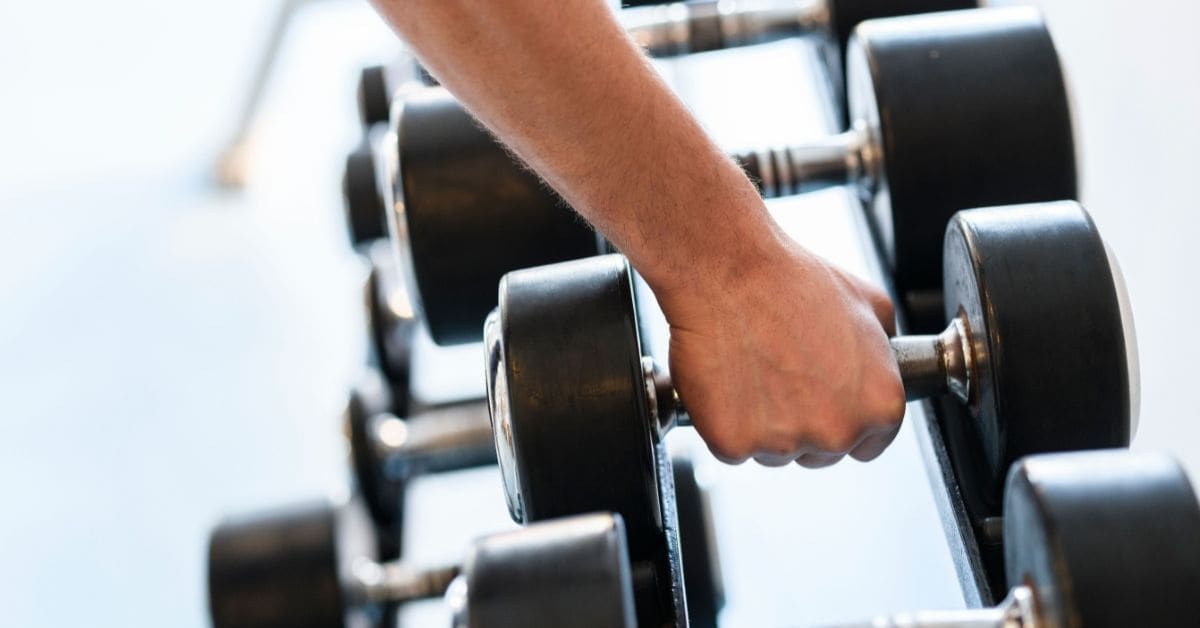
Grip Strength: Why It Matters More Than You Think and How to Build It in Franklin, TN

Ben Cluff
Ben Cluff
Most of us never think about grip strength until it quits on us. The jar won’t open, or the grocery bags start sliding out of your fingers before you get to the door.
Good news, though: it doesn’t need its own workout. At LUX Fitness in Franklin, your hands get trained every time you pull against adaptive resistance.
What Grip Strength Is and Why It Matters
Grip strength is just how hard (and how long) your hands and forearms can hang on to something. Squeezing a handle counts, and so does pinching something flat or carrying a load until your fingers want to give up.
Why does it matter? Pretty much everything you lift starts with your hands, whether it’s a heavy suitcase, a toddler who’s decided to go limp, or a bag of mulch in the spring.
If your grip goes first, the rest of you never gets a turn. Your back and legs could keep going, but you set the bag down anyway.
Why Grip Strength Fades When You Sit All Day
Grip fades when your hands stop holding heavy stuff. Keyboards, phones, and steering wheels barely ask anything of your forearms, and a few years of that adds up.
Age plays a part too, since strength slips anywhere it isn’t trained. You just notice it in your hands first, because you use them all day.
None of this is cause for alarm. It’s just a reason to give your grip some regular work.
How Strength Training Builds Grip Without Extra Exercises
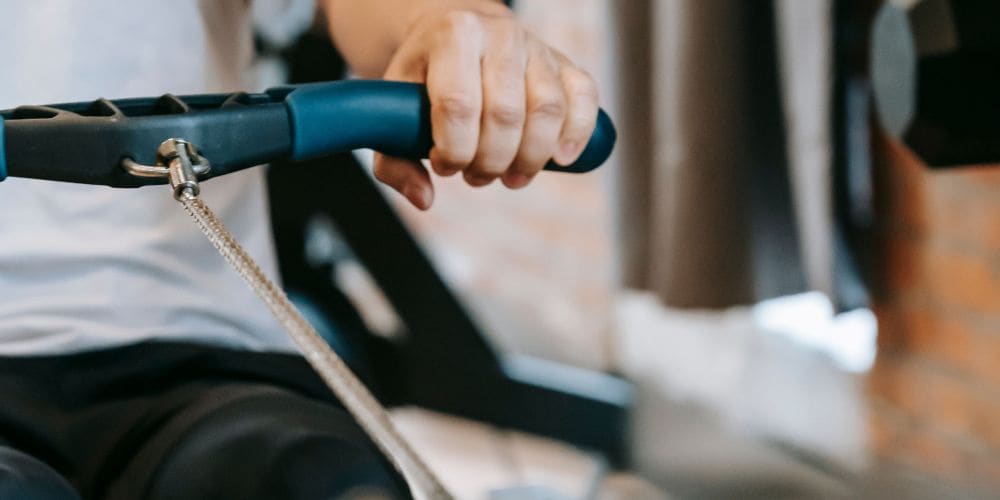
Any pulling movement trains your grip, since you’ve got to hold the handles to move the resistance. On the ARX machines at LUX Fitness, that’s rows, pulldowns, and whatever other pulls your coach puts in your plan.
ARX resistance adjusts to the force you put out through the whole rep. There’s no break for your hands at the top or bottom, so they work as long as the rest of you does.
That matters more than it sounds. Your forearms get a long, steady effort instead of a quick squeeze, which is a lot like carrying groceries or a sleeping kid.
Your coach also keeps an eye out for the point where your grip quits before your back or arms do. When that happens you’ll both see it, and the plan gets adjusted.
Grip Strength Training Moves You Can Do at Home
Between sessions, a few small habits give your hands extra practice without adding a workout. Carry the groceries in yourself and hang on to the bags a little longer than you have to.
Hanging from a sturdy bar teaches your hands to hold your body weight, even for just a few seconds. The monkey bars at the playground work fine next time you’re out with the kids.
On desk days, you can squeeze a tennis ball during a long call. It won’t build much strength by itself, but it’s better than your hands sitting there doing nothing.
Keep all of this comfortable, and stop if your wrist or elbow starts to complain. This is general education, not medical advice.
What Stronger Hands Change Outside the Studio
Mostly, everyday stuff gets easier. Groceries come in from the car in one trip, jars stop being a two-person job, and holding a sleeping kid through the end of a movie doesn’t leave your forearms burning.
It shows up on weekends, too. A golf club, a pickleball paddle, and the leash of a dog who just spotted a squirrel all depend on your hands holding on.
A lot of people don’t notice their grip improving until someone hands them a stubborn jar. Then it clicks.
Grip Strength and Wellness at LUX Fitness in Franklin
At LUX Fitness, we see grip as one piece of your overall wellness. You don’t need special gadgets for it, and you shouldn’t have to research it on your own.
It’s one of the quieter results of steady, coached strength training, along with how you recover and how you feel day to day. That’s the approach behind our wellness center in Franklin.
Small details like this get handled best when someone’s watching you train. Breathing under effort is another one, which we covered in how to breathe when you lift.
Frequently Asked Questions About Grip Strength in Franklin
Do I need special grip exercises to build grip strength?
Most people don’t, as long as they’re doing regular pulling movements in their strength training. Holding the handles against real resistance works your hands and forearms on every rep.
Extras like carrying groceries or hanging from a bar can help. They’re optional.
Why does my grip give out before the rest of me?
Your hands and forearms are smaller muscles, and they usually haven’t gotten as much training as your back or legs. It’s really common if you sit at a desk most of the day.
It tends to get better as you keep doing pulling movements. Just tell your coach when it happens so they can plan around it.
Will lifting straps or gloves weaken my grip?
Straps take most of the work off your hands, so leaning on them all the time can leave your grip behind. Gloves mostly change comfort and friction, and matter a lot less.
At LUX Fitness you hold the ARX handles directly. Your grip trains right alongside everything else.
Is grip strength affected by age?
Yes, it tends to drop with age if you don’t train it, just like strength anywhere else in your body. Regular strength training is one of the most practical ways to hang on to it.
It’s never too late to start. Your hands respond to training the way the rest of your muscles do.
What if my wrists or hands hurt when I grip?
If gripping hurts, check with your doctor or a physical therapist before pushing through it. Pain in the wrist, thumb, or elbow can come from things training won’t fix.
Let your coach know before your session as well. They can work around a sore spot while you get it looked at.
See How Grip Fits Into Your Training at LUX Fitness
Grip’s easy to ignore until it costs you something. And you don’t need a separate routine to fix it.
If you’d like to see how coached strength training works your hands along with everything else, book a free intro session at LUX Fitness. We’ll walk you through the studio, talk through your goals, and explain how training works, with no pressure and no surprises.