Category : strength training

Athlete recovering after strength training session

Should You Train on a Low-Energy Day? A Franklin, TN Guide for Busy Professionals

Some days you’re flat before you even leave work. Meetings ran long, lunch got skipped, and the session on your calendar suddenly feels like a lot to ask.

It’s a common spot for busy professionals in Franklin. Most of the time you should still come in, but not always, and the trick is knowing which kind of tired you’ve got.

Should You Work Out When You’re Tired?

Usually, yes. If it’s a long-day kind of tired, a session tends to leave you feeling better than when you walked in.

If you’re coming down with something, or something hurts that didn’t hurt yesterday, that’s different. Skip it or call us first, and let your doctor have the final say on anything health-related.

Is It a Tired Mind or a Tired Body?

Most tired days are a fried brain, not a tired body. Your body sat in a chair through a pile of calls and it’s kind of waiting for something to do.

Then there’s the Monday after you helped a buddy move a couch. Your back’s still grumpy about it.

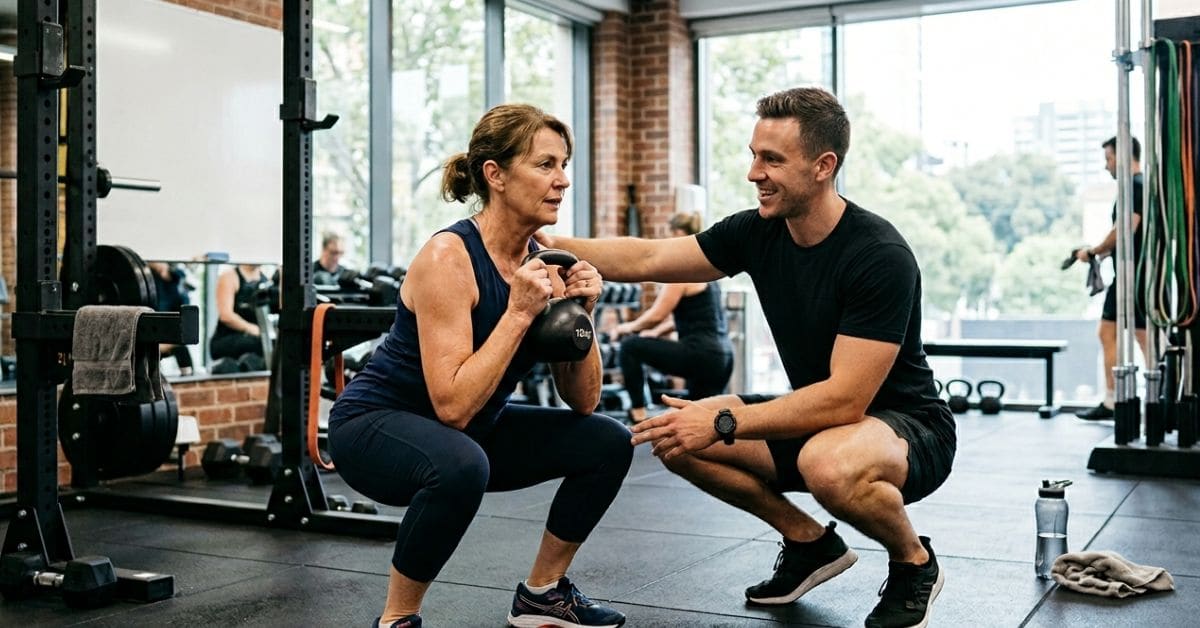
You can usually still train on a day like that. Tell your coach when you walk in and they’ll go easier on whatever’s sore.

Give it until the end of the warm-up before you decide anything. How you feel in the parking lot is a lousy predictor of how you’ll feel once you’re moving.

Adult client exercising at home with resistance bands, dumbbells, and a yoga mat in a clean living room

How ARX Training Adjusts to a Low Day

The ARX machines only push back as hard as you push. Lower output on a tired day just means lower resistance, so the session scales down with you.

You’re not staring at a bar loaded with last week’s weight, wondering if today’s the day it goes badly. Your coach sees your numbers on every rep, so a dip shows up right away and the plan bends around it.

That’s on purpose. Our fitness center in Franklin plans your session for you, so on a flat day you don’t have to think about what comes next.

When a Lighter Session Makes More Sense

Some days the right call is to train, just lighter. Fewer all-out efforts, more slow and controlled reps, done.

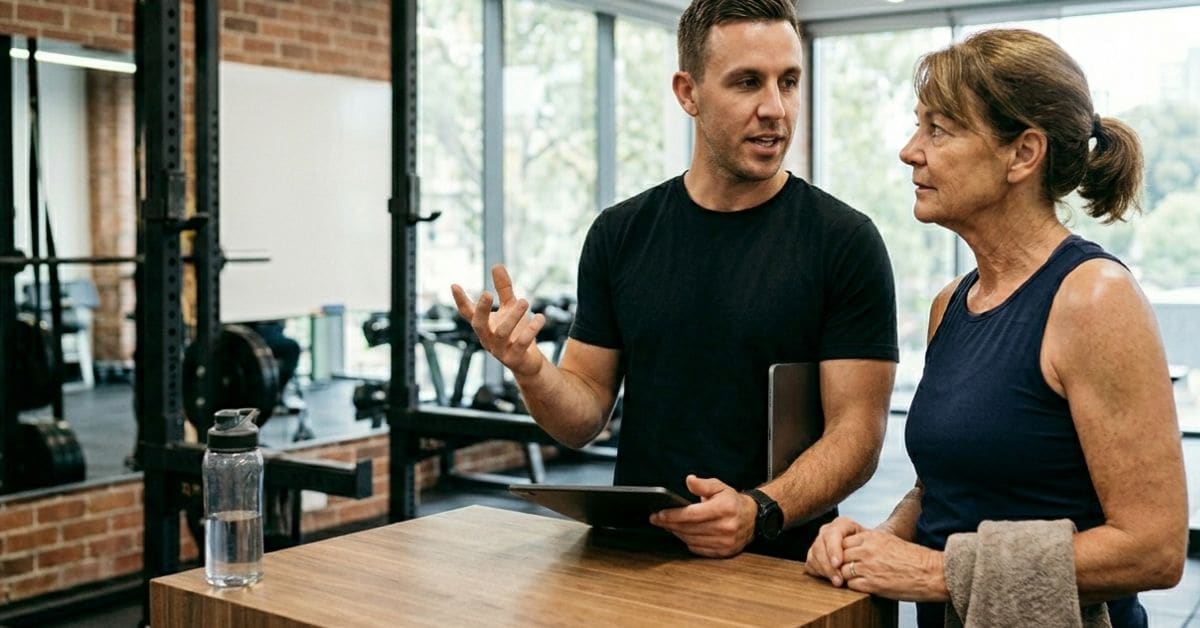
You don’t need a speech when you walk in. “Rough day, keep it steady” is plenty, and your coach will take it from there.

And yes, a lighter session counts. You kept the appointment and you kept the habit, which beats feeling guilty on the couch.

Why Showing Up Tired Still Counts in Franklin

One skipped session won’t undo anything. Canceling every time you feel a little flat, though, will add up fast.

For a lot of busy people in Franklin, tired days are most days. If you only train when you feel great, you won’t train much.

Strength builds over months of ordinary sessions, not a handful of perfect ones. Our guide on how long it takes to see results from strength training gets into why steady wins.

Frequently Asked Questions About Working Out When Tired

Is it bad to lift weights when you’re tired?

No, lifting while you’re tired usually isn’t bad as long as you’re tired and not sick or hurt. Go a bit lighter and keep your form clean, and the session is still worth doing.

How do I know if I’m too tired to work out?

You’re probably too tired to train if you feel sick, dizzy, or have new pain. Plain end-of-the-day tiredness usually fades once you start moving, so give it a few minutes before you bail.

Will a lighter workout on a tired day hurt my progress?

No, an easier session on a tired day still moves you forward. Strength comes from lots of sessions stacked up, and one lighter day in the middle doesn’t erase anything.

Should I tell my trainer I’m tired?

Yes, tell your coach before you start. At LUX Fitness, that heads-up lets your coach adjust from the first exercise instead of figuring it out halfway through.

Is it better to train tired or reschedule?

Training tired usually beats rescheduling, because a moved session has a way of turning into a missed one. If you really do need to move it, book the new time before you leave.

Train on Your Real Days at LUX Fitness

If you’re looking for training that still works on your flat days, that’s pretty much what LUX Fitness was built for.

Every new client begins with a free intro session. We walk you through the studio, talk through your goals, and explain how training works, with no pressure and no surprises.

LUX Fitness, 330 Mayfield Dr., Franklin, TN 37067. Phone 615-282-5882.

Strength Training for Runners in Franklin, TN: What to Add Between Your Miles

Plenty of runners put in the miles and never touch strength work. Makes sense, because running’s the fun part.

Still, strength training is what lets your body handle all that running. At LUX Fitness in Franklin, we build up your hips, legs, calves, and trunk so your form holds up late in a run.

Why Runners Benefit From Strength Training

Running is the same motion over and over, thousands of times a run. Your heart and lungs love it, but each stride is a light load, so it doesn’t do much to make muscles stronger.

That’s the gap lifting fills. Stronger muscles soak up each landing better, and your form doesn’t fall apart the minute you get tired.

Some runners also notice their usual pace feels a bit easier once they’ve gotten stronger. Not everyone does, so call it a maybe.

What to Add Between Your Miles

You don’t need a giant exercise list. A handful of movements covers most of it, and each one backs up a different part of your stride.

Hips and glutes

Your glutes keep your pelvis level every time a foot lands. When they get tired, your knees and hips start drifting, and that’s usually when the back half of a long run gets ugly.

Quads and hamstrings

Squats and hinges build the big muscles that steer your knees and push you forward. You’ll feel them most on hills and in those last couple of miles.

Calves

Your calves take a big share of the pounding, and almost nobody trains them on purpose. Strong ones just handle it better.

Trunk

When you’re tired, a strong trunk stops your upper body from flopping around. It’s what keeps you running tall once your legs are cooked.

Athlete kneeling at starting block, ready to sprint on Ciudad de México track.

Why Runners Should Lift Hard, Not Long

You already get tons of light, repetitive work from running. So your strength training should look different, with real resistance and just a few slow, controlled reps.

That’s the part a lot of runners skip. They add light circuits that feel like more cardio, then wonder why nothing changes.

Short, focused effort usually works better. You get stronger without taking much out of your running legs.

How Strength Training for Runners Works at LUX Fitness

At LUX Fitness, sessions run on ARX (short for Adaptive Resistance Exercise). The machine matches whatever force you put out on each rep, so the work stays hard and nobody has to guess at a weight.

And you’ll get the moves runners need. The ARX Omni has belt squat, deadlift, Romanian deadlift, and hamstring curl, and you can do calf raises on both the Alpha and the Omni.

Every rep is measured, so your coach can tell whether your legs showed up fresh or if Saturday’s long run is still in them. The plan follows the numbers, not a template.

Sessions are about 30 minutes in a private, appointment-only studio. That’s short enough to fit around a training plan without crowding out your runs.

Fitting Strength Training Around Your Running

Your running comes first, and the strength plan should work around it. So expect your coach to ask about your race date, your long run day, and when your hard workouts land.

Running and lifting on the same day is its own question. Our guide on cardio before or after strength training gets into that.

In big training blocks, a lot of runners keep lifting but dial it back to maintenance. Hanging on to strength is way easier than rebuilding it later.

A personal trainer guides a woman lifting dumbbells in a gym setting.

Running Stronger in Franklin

Franklin has plenty of good places to run, and enough hills to keep your legs honest. Getting stronger makes those hills a little easier to take.

Our fitness center in Franklin doesn’t have treadmills or bikes, since the studio is built around strength. Your running stays outside, where you actually enjoy it.

Frequently Asked Questions About Strength Training for Runners

Will strength training make runners bulky?

Not likely. All those miles make it hard to add much size anyway, so most runners just get stronger and look about the same.

Building big muscles takes a lot of targeted volume and a lot of food. A focused strength plan next to your running doesn’t usually supply either one.

Will lifting make your legs too tired to run?

Your legs might feel heavy for the first few weeks while your body gets used to it. That usually settles down once lifting is part of the routine.

Your coach can go lighter before a key workout or race. The ARX data makes it pretty obvious when your legs need an easier day.

Do runners need upper body strength training?

A little, sure. It helps you keep your posture and arm swing together late in a race, just don’t let it eat up the session.

Rows, presses, and pulldowns cover most of it. Your lower body and trunk still get most of the attention.

When should runners lighten their strength training?

Right before a goal race, for sure, and during your heaviest training weeks. Nobody wants to toe the start line sore.

Your coach can plan those lighter stretches around your race calendar. Strength work picks back up once the race is done.

Adding Strength to Your Running Plan in Franklin

You don’t have to give up miles to get stronger. A short, focused strength session that fits around your running can make the miles you already do feel better.

If you’d like to see how that works with your race calendar, you’re welcome to book a free intro session at LUX Fitness. We’ll walk you through the studio and talk through your goals, with no pressure and no surprises.

This is general education, not medical advice. If you’re dealing with a running injury, check with your physician before adding new training.

Getting Back Into Strength Training After a Long Break: A Franklin, TN Restart Plan

If you used to train and then stopped, you’re in good company. Work got busy, a couple of missed weeks became a couple of missed months, and now starting again feels weirdly hard.

What actually works is going lighter than your ego wants, getting the habit back before worrying about numbers, and measuring from where you are today. At LUX Fitness in Franklin, we care most about one thing in those first weeks: are you still coming in two months from now?

Start From Where You Are, Not Where You Were

The mistake we see the most is people going after their old numbers. You probably do remember what you used to lift, but that memory’s a few years old.

Starting fresh takes care of most of it, because your first session back at LUX Fitness is really a measurement. Your coach records what you produce on each rep and builds the plan from there, not from the version of you that trained years ago.

Curious what happened to your muscles while you were off? We cover that in how long it takes to lose muscle, and this article is about what you do next.

Your First Weeks Back in Strength Training

For the first few weeks you’re mostly getting the habit back and letting your joints get used to load again. Strength tends to return faster than it took to build the first time, but tendons and ligaments still like it slow.

You’ll probably be a bit sore after the first couple of sessions. That’s normal, and it goes away once training feels routine again.

Try to walk out of those early sessions with something left in the tank. It makes coming back next time a lot easier.

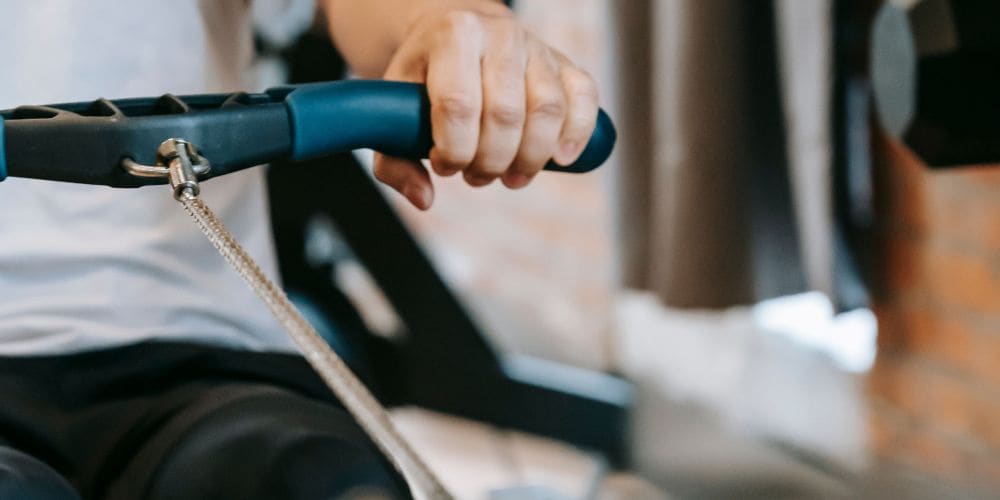
Close-up of a man rowing indoors, showcasing fitness and determination in a gym setting.

Why Restarts Fail, and How to Break the Start-Stop Cycle

Why do most restarts fizzle out? Usually for the same reason the last routine did: the plan counted on a schedule, or an energy level, that wasn’t going to last.

You know the all-out first month. It’s great until one crazy week at work shows up and kills it.

Smaller sounds boring, we get it. Still, one short session that’s already on your calendar beats a big plan you quit by week three.

Decide ahead of time what a bad week looks like. A shorter or lighter session still counts, and the streak keeps going.

How LUX Fitness Structures a Restart

This time you’re not putting a program together by yourself. Your coach at LUX Fitness sets up each ARX session, watches how you respond, and keeps the plan moving.

ARX stands for Adaptive Resistance Exercise, and it matches whatever force you put into each rep. So you can start right where you are, and it goes up with you as you get stronger.

Sessions are about 30 minutes, in a private studio that’s appointment-only. No audience, no waiting on machines, and nobody cares what you used to bench.

Plus every rep is measured. Seeing your strength come back visit by visit is a big part of why people stick with it this time.

A beginner using a modern resistance training machine while a coach provides calm guidance.

Expectations That Keep You Going

Your strength won’t all come back at the same speed. Leg press might bounce right back while pulling strength takes its sweet time, and that’s OK.

Lots of people sleep better or feel less stiff before any number moves at all. That counts.

Compare yourself to last week, not to who you were years ago. The data on screen makes that easy.

Making the Restart Stick in Franklin

Starting over is really common here in Franklin, and nobody at the studio blinks at it. Plenty of people have done it more than once.

What makes the difference this time is structure. Our physical fitness program in Franklin is built around coaching and a plan that fits real life instead of perfect weeks.

Frequently Asked Questions About Getting Back Into Strength Training

How much weight should you start with after a long break?

Start well under what you used to lift, at a level where every rep feels controlled. Your first week back should feel almost too easy.

On ARX that mostly takes care of itself, since the machine matches the force you produce instead of a number you pick. Your coach then progresses you from your recorded output.

Is muscle memory real?

Yep. People who trained before usually get their strength and muscle back faster than it took to build them the first time.

Part of it is your nervous system remembering the movements. That’s why a slow first few weeks often turns into quick progress.

Should you see a doctor before starting again?

If you have a heart condition, a recent surgery, a significant injury, or ongoing symptoms, talk with your physician before restarting. Most healthy adults can begin with a sensible, gradual plan.

Tell your coach about any medical history too. It changes how those first sessions get set up.

What if you’ve restarted and quit several times before?

That’s really common. It usually means the old plans were too much to keep up with, not that you lack discipline, and a smaller plan with someone expecting you tends to last a lot longer.

Plenty of LUX Fitness members are adults coming back after time away. Starting again is part of the process, not proof it won’t work.

Restarting Strength Training With a Coach in Franklin

The best restart is the one you’re still doing next season. Start from today’s numbers, keep the plan small enough to protect, and let the measured progress do the motivating.

If you’d like help with that first step, you’re welcome to book a free intro session at LUX Fitness. We’ll walk you through the studio and talk through where you’re starting from, with no pressure and no surprises.

This is general education, not medical advice.

LUX Fitness, 330 Mayfield Dr., Franklin, TN 37067. Phone 615-282-5882.
Athlete tightening barbell plates in a gym, emphasizing fitness and strength.

Trying ARX as an Experienced Lifter in Franklin, TN: The Questions Lifters Ask First

You’ve been lifting for years. You know your numbers, you’ve got a program you trust, and a friend in Franklin keeps telling you to come try “the machine” at her studio.

Part of you is curious. The other part is pretty sure a motor can’t challenge someone who already knows how to train.

In our experience lifters walk in with a head start on ARX, not a handicap. Almost every question they ask is about keeping their strength, using what they already know, or what the coach is actually watching for.

What ARX Feels Like to Someone Who Already Lifts

ARX stands for Adaptive Resistance Exercise. There’s no fixed load, just a motor that pushes back as hard as you push, rep after rep.

The first surprise for most lifters is that there’s no sticking point to fight through and no easy lockout to rest in. The resistance is waiting for you everywhere in the movement, so the effort stays high from the first inch to the last.

If you want the full comparison with plates and bars, our explainer on what adaptive resistance training is goes deep on it. This piece sticks to the stuff lifters ask once they’re standing next to the machine.

Will You Keep Your Strength Training on ARX?

Strength comes from working muscles hard and progressing that work over time, and ARX does both. It records your force output on every rep, so your progress shows up as numbers instead of a feeling.

What does change is the skill of moving a loaded bar. Bar path, balance, timing, those come from practicing the lift, so if you compete or just love a particular lift, keep doing it somewhere.

Plenty of lifters end up using ARX for the hard, measured strength work and keeping their favorite lift as the fun part. Your coach can plan around that, no problem.

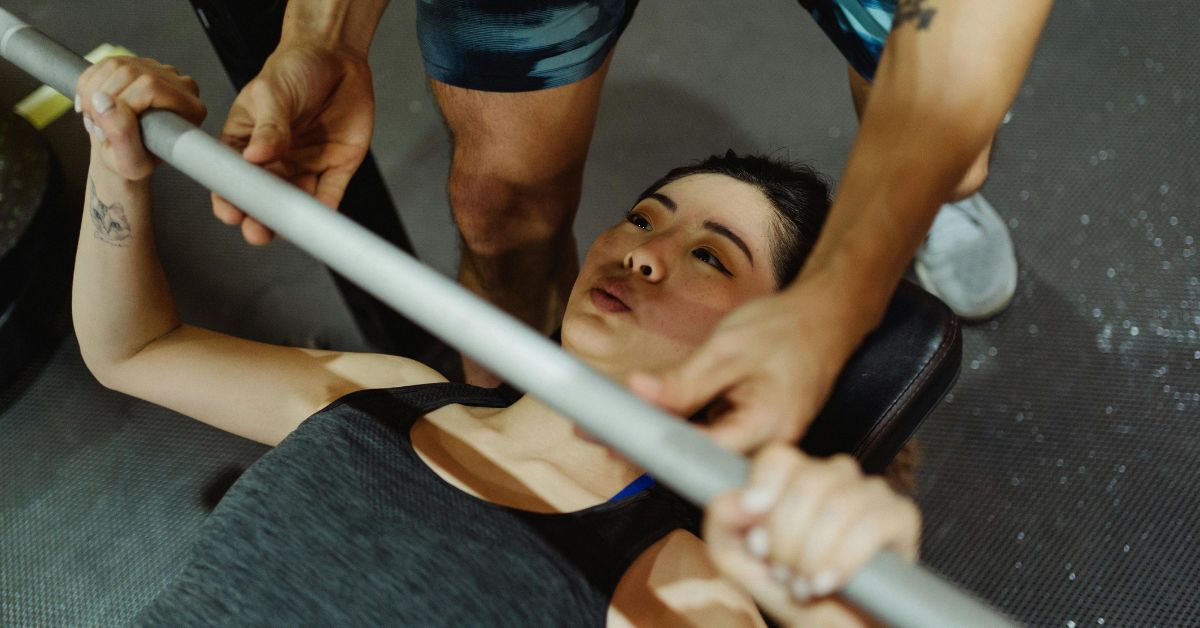
Woman performing bench press exercise with guidance in a gym setting.

How Your Lifting Background Helps on the Machines

You already know how to brace, hold a position, and push with real intent. All of that carries straight over, and it’s a big reason lifters tend to post high numbers early.

The movements look familiar too. The ARX Omni has belt squat, deadlift, Romanian deadlift, rows, pulldowns, and overhead press on it, so the patterns are old friends even if the resistance isn’t.

Where lifters trip up is pacing. You can’t coast through any part of a rep on ARX, so the first couple of sessions can feel rougher than expected, even for strong people.

What a LUX Fitness Coach Watches For With Experienced Lifters

Position comes first. A strong lifter can crank out a lot of force from a slightly off position, and the machine will happily meet it, so keeping joints lined up really matters.

Pacing is next. Lots of lifters try to win the first rep and then fade hard, so the coach helps you spread the effort across the whole set.

Then there’s the eccentric, the lowering part of the rep. ARX measures it on its own, and most lifters are surprised by how strong they are there, and by how little they’ve ever actually trained it.

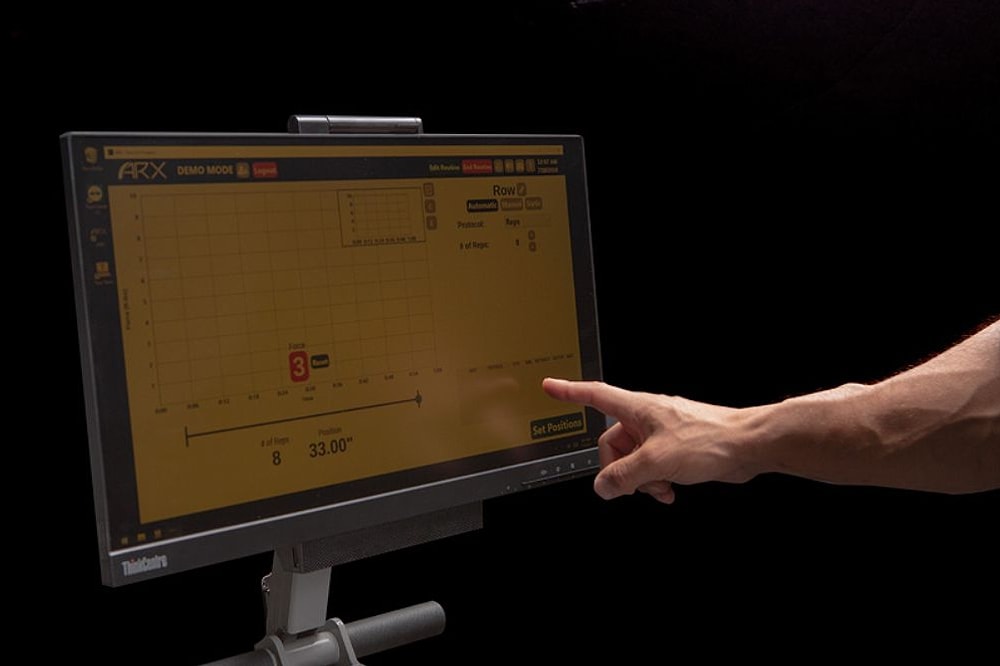
Since ARX tracks concentric and eccentric force, rep speed, range of motion, and fatigue, those cues come with numbers attached. Lifters usually love that, since they already like keeping score.

Hand selecting an exercise on the ARX touchscreen

How Hard ARX Sessions Get for Strong People

The resistance never goes past the force you produce, and that’s exactly why it scales up for strong people. Push harder and it pushes back harder, so there’s no ceiling to outlift.

It’s also why ARX sessions at LUX Fitness are short. A focused, all-out set takes a lot out of you, and a well-run session doesn’t need to drag on.

If you’ve only ever judged a hard day by the plates on the bar, the data takes a minute to get used to. Most lifters come around once they watch their force output climb.

Strong at Every Stage in Franklin

A lot of experienced lifters try ARX for reasons that have nothing to do with boredom. Some want something easier on old injuries, and some just don’t have the hours they used to.

Either way the goal is the same: keep the strength you spent years building. Our ARX training sessions in Franklin are set up for exactly that, with a coach, a plan, and a record of every rep.

Frequently Asked Questions About ARX for Experienced Lifters

Can you still lift at your regular gym while training on ARX?

Yes, plenty of people keep lifting elsewhere and add ARX on top. Just tell your coach what else you’re doing so the plan accounts for it and recovery stays manageable.

The goal is a full week you can actually recover from. Your coach would much rather hear about your Saturday deadlifts than guess.

Can you train on your own once you know the machines?

Yes. Once you’re comfortable on the machines, LUX Fitness members can run sessions on their own.

Experienced lifters usually pick that up fast. Most still like having a coach check position and set the plan.

Will ARX help with a lifting plateau?

ARX can help a lot of lifters get past a plateau, because it loads the parts of a movement that fixed weights tend to leave light. Measured eccentric work is often the missing piece.

It won’t replace practicing a specific competition lift. It can build the strength underneath it, though.

Is ARX hard enough if you’re already strong?

ARX is hard enough for strong people because the resistance rises to meet whatever force you produce. There’s no weight to outgrow.

Most experienced lifters find their first sessions pretty humbling. That tends to turn into respect for the machine fairly fast.

Trying Your First ARX Session as a Lifter in Franklin

Trying ARX doesn’t mean giving up what you’ve built. It’s just a different way to train hard, with a coach watching your position and a screen showing what you actually produced.

If you’re curious how your strength translates, you’re welcome to book a free intro session at LUX Fitness. We’ll walk you through the machines and talk through your training history, with no pressure and no surprises.

Mobility Training vs. Flexibility: What Actually Matters for Strength Training in Franklin, TN

Plenty of adults can still touch their toes but need two hands to get up off the floor. Others feel tight all the time and move just fine once they get going.

That’s the difference between flexibility and mobility. For strength training, mobility is the one that does most of the work, and at LUX Fitness in Franklin it’s built right into your sessions.

Mobility vs. Flexibility, Defined Simply

Flexibility is how far a joint can be moved. Mobility is how far you can move it yourself, under control, with your own muscles doing the work.

A quick test helps. Pull your knee toward your chest with your hands and that’s flexibility. Let go and try to hold it there on your own, and that’s mobility.

Most adults have way more of the first than the second. That gap is range you technically own but can’t really use when it counts.

Why Mobility Matters More for Strength Training

When you lift, nobody’s holding you in place. Halfway down a squat, it’s your own muscles keeping you steady the whole way.

Having range you can’t control won’t help much once there’s load on it. Sometimes it just drops a joint into a spot your muscles aren’t ready for, and that’s how people tweak things.

Mobility is the range you can actually use. It’s range of motion plus the strength to own it.

A woman in athletic wear performing a stretch on a mat inside a gym with various exercise equipment.

Strength Through Range Is the Real Goal

You want to be strong through the whole movement, not just the comfortable middle. Strong at the bottom of a squat and at the top of a reach, which is basically what everyday life asks of you.

Here’s where the two kinds of training meet. Take a movement all the way through its range and you get strong right in the spots you usually avoid.

So lifting through a full range builds range and strength at the same time. A static stretch mostly just works on range.

Short on time? Good news. A full-range strength session takes care of both.

How LUX Fitness Builds Mobility Training Into Every Session

Every session at LUX Fitness in Franklin runs on ARX, which is short for Adaptive Resistance Exercise. It matches whatever force you put out, so you’re loaded the whole way through, not just where a fixed weight happens to feel heavy.

That matters most at the ends of a movement. Those are the spots where people get wobbly with a bar, and ARX just gives you as much resistance as you can handle right there.

Your coach sets up the seat, handles and range of motion for your body on each machine. Then your session data shows your range of motion right next to your force output.

Range you build this way is range you get to keep. Your knees, hips and shoulders get stronger out at the edges too.

Where Flexibility Work Still Fits

We’re not against stretching. If a joint is genuinely stiff it can help, but it works better as its own thing than squeezed into the five minutes before you train.

We wrote about stretching before lifting and where that kind of work belongs. Short version: after training, or on another day.

And if one spot bugs you, tell us. It can change which movements and ranges your plan starts with.

Moving Well for the Long Run in Franklin

Mobility is really about staying independent. Getting up off the floor, reaching a high shelf, turning to check your blind spot, carrying groceries up the stairs: it all comes down to strength through range.

That’s why mobility is part of the wellness center in Franklin approach at LUX Fitness. It’s about staying capable, not a side project.

Frequently Asked Questions About Mobility and Flexibility

Is mobility or flexibility more important?

For most adults mobility matters more, because everyday life asks you to control your own range instead of being pushed into it. Flexibility still helps if a stiff joint is getting in the way.

Ideally you’ve got enough flexibility for the range you need, plus the strength to control it. Strength training through a full range builds that second piece.

Can strength training improve mobility?

Yes. Training a movement through its full range builds strength at the ends of that range, and that’s pretty much the definition of mobility.

Range of motion is the key, though. Half reps in the easy middle of a movement do a lot less than controlled reps all the way through.

Do you need separate mobility sessions?

Most people don’t, as long as their strength training covers a full range of motion. The regular sessions already do a good chunk of the work.

Someone with one really stiff joint, or a sport that needs extra range, might benefit from a bit more. Your coach can help you figure out if that’s you.

How do you know if you lack mobility or flexibility?

Compare what you can do on your own with what you can reach when you help yourself. If your hands can take a joint a lot further than your muscles can, that gap is mobility.

If it won’t go far even with help, that’s more of a flexibility thing. Either way, a coach can check it during your first assessment.

Trying Mobility Training With a Coach in Franklin

Mobility doesn’t have to be one more project crammed into a busy week. Train through a full range with good control and strength and mobility come along together.

If you’d like to see how that works in a private session, you’re welcome to book a free intro session at LUX Fitness. We’ll walk you through the studio and talk through your goals, with no pressure and no surprises.

This is general education, not medical advice. If you have pain, or a joint suddenly loses range, check with your physician first.

Personal trainer providing one-on-one coaching during a workout

Strength Training for Stress: How Lifting Fits a High-Pressure Week in Franklin, TN

When work gets intense, training is usually the first thing to go. It feels optional, and it takes planning you don’t have room for.

Strength training can still fit a high-pressure week. It just needs a plan made ahead of time, and that’s how we set things up for members at LUX Fitness in Franklin.

Why Strength Training Is the First Thing Stress Pushes Out

Why does the workout always get cut first? Because it feels optional, and figuring out a workout is one more decision on a day that’s already full of them.

That’s not about willpower. It’s about how the routine was set up, because one that only works when you’ve got spare energy will lose to a deadline every time.

The session that makes it through a bad week is the one that’s already booked, with somebody expecting you. Take the thinking out of it and you’ll show up a lot more.

Plan the Week Before It Gets Busy

If you can see a crunch coming, plan for it on the calm week before. Pick your session times, put them on the calendar, and treat them like meetings.

Choose the slot meetings are least likely to steal. For a lot of people that’s early morning or right after school drop-off.

Then decide what a “minimum” week looks like. That way, when things go sideways, you already know what still counts.

Professional arriving for a midday strength workout at a private fitness studio

Strength Training for Stress Works Best When It’s Already Decided

On a heavy week, less to figure out means better odds. Walk in, train, walk out beats a perfect program you never get to.

At LUX Fitness the studio is private and appointment-only. Your coach has everything ready before you get there, so there’s no wandering around and no waiting on a machine.

Sessions run about 30 minutes. That’s short enough to protect even when the rest of your calendar is on fire.

Small Habits Around the Session That Help

What you do around the session matters almost as much as the session itself. A few small things go a long way when work gets loud.

Eat something normal beforehand, because training on fumes rarely goes well. And protect your sleep where you can, since short nights make every training week feel harder.

Members also get the supplement bar, with protein and electrolytes after a session, and we’ve got a separate guide to muscle recovery. Small stuff, but it makes the next session easier to show up for.

Strength Training in Franklin for People With Full Calendars

A lot of the people we train in Franklin carry real weight at work and at home. They don’t need a pep talk. They need a setup that fits the week they’ve actually got.

That’s the idea behind the wellness center in Franklin at LUX Fitness. Training, recovery and habits get planned together, so a hard week bends the plan instead of breaking it.

Personal trainer and client reviewing workout performance metrics on a tablet screen after a training session

Frequently Asked Questions About Strength Training for Stress

Should you work out when you’re stressed?

Usually yes, as long as the session is moderate and you’re sleeping and eating reasonably well. A focused strength session can be a nice fixed point in a messy week.

The exception is when you’re exhausted, sick, or running on almost no sleep. On those days a lighter session or a full rest day is the smarter move.

Is lifting or cardio better for a stressful week?

Both can work, and honestly the better one is whichever you’ll actually do. Strength training has an edge in that it’s short and structured, so it’s easier to protect on a crowded calendar.

Plenty of people pair a coached strength session with walks or easy cardio they already like. That combo is easy to keep going.

How do I plan training around a busy season I can see coming?

Book your sessions before the busy stretch starts and pick the times least likely to get pushed. Tell your coach what’s coming so the plan can be set up for it ahead of time.

It also helps to agree on a minimum for those weeks. Knowing what still counts takes a lot of pressure off.

Keeping Strength Training Steady Through a Hard Week in Franklin

A hard week doesn’t have to mean starting over again. It needs a plan that’s already decided, a session short enough to protect, and a coach who adjusts the effort to the week you’re having.

If you’d like to see how that works, you’re welcome to book a free intro session at LUX Fitness. We’ll walk you through the studio and talk through your goals, with no pressure and no surprises.

A 40-year-old woman tying her training shoes in a private gym studio before starting a session.

Is Soreness a Sign of a Good Workout? What Muscle Soreness Actually Tells You

You get home from a session, take the stairs two at a time, and nothing hurts.

The next morning you wake up and check. Still nothing. No ache across the quads, no tightness in the chest, no reason to walk down the hallway carefully.

And somewhere in the back of your head, a small voice says “that probably wasn’t heavy enough.”

Most people were taught to read soreness as a receipt. If you can feel it tomorrow, it counted. If you can’t, you wasted the hour and the drive.

So is soreness a sign of a good workout, or is it just a sign that you did something your body wasn’t used to? Let’s break down what soreness actually measures, and what’s worth watching instead.

Is Soreness a Sign of a Good Workout?

No, not reliably, and not in the way most people assume.

Delayed onset muscle soreness, usually shortened to DOMS, is what you feel a day or two after training. It tends to show up most when you do something new, something with a lot of lowering under load, or something you haven’t done in months.

Notice what’s on that list. Novelty. Unfamiliar loading. Not effectiveness.

You can have a genuinely productive session and feel nothing the next day. You can also feel wrecked after an hour that produced almost no useful strength stimulus. Soreness and progress overlap sometimes. They are not the same measurement.

This is general education, not medical advice. Soreness that’s sharp, one sided, or lasting well beyond a few days is worth a conversation with a medical professional rather than a training tweak.

A healthy adult's upper back and shoulders showing natural muscle definition

What Muscle Soreness Actually Tells You

Soreness is mostly a novelty signal.

When a movement is new to you, or when the lowering phase is longer or heavier than your body expects, you’re more likely to feel it later. Soreness tends to track how unfamiliar the movement was and how much eccentric load it involved, not how effective the session was.

Which explains something people find strange. Soreness usually fades as you get better at training. Same effort. Less ache. That’s adaptation, not decline.

It also explains why soreness is loudest at the exact moment you know the least, your first few weeks, and quietest later on when you’re genuinely stronger. As a progress signal, it runs backwards.

Most people never notice that, mostly because nobody ever handed them a second signal to compare it against. That second signal usually starts with a baseline strength measurement, which is where a program gets its first honest number.

Why Chasing Soreness Tends to Backfire

If soreness is the goal, the plan has to keep changing to deliver it.

That’s the trap. Staying sore requires constant novelty, which means swapping movements, adding volume, and reaching for whatever feels hardest that day. Progress needs roughly the opposite. Repetition, controlled loading, and enough consistency to tell whether something is working.

There’s a scheduling cost too. Sessions that leave you genuinely beaten up have a way of pushing the next one back a few days. Then a week. Two sessions a week quietly becomes five sessions a month.

At LUX Fitness in Franklin, TN, this pattern shows up in almost every first conversation. Someone tells us they used to train hard for three weeks, get sore enough to skip, and never quite restart. The soreness wasn’t really the problem. The stop and start pattern it created was.

There’s a safety angle worth naming as well. Training deep into significant soreness can raise the odds of moving poorly, and moving poorly under load is where people tend to get hurt.

Does a Workout Still Count if You're Not Sore?

Yes, for most people and most of the time.

A session counts if it applied enough load, with enough control, to give your body a reason to adapt. Soreness isn’t part of that definition anywhere. It’s a side effect that sometimes happens and often doesn’t.

This comes up constantly after a first session on ARX, the adaptive resistance system we use. It matches the force you produce rep by rep, so the effort tends to run high while the working time stays short. People walk out braced for a rough morning. Some get one. Some don’t.

Both are normal. We’re not claiming ARX prevents soreness, because it doesn’t. We’re saying soreness was never the number that mattered.

What mattered is whether the force you produced was higher than the last time you measured it.

A client performing a strength exercise on ARX equipment while a trainer monitors performance data

What to Track Instead of Soreness

Track output, not aftermath.

The useful question isn’t how you felt on Wednesday. It’s what you actually produced on Tuesday, and whether it beat the Tuesday before it.

Measured load answers that. So does plain session to session consistency, which is the least interesting variable in fitness and the one that predicts the most.

At LUX Fitness, every rep gets recorded. Force. Range. Effort held across the whole movement. That turns a vague sense of whether things are going well into something you can look at and disagree with.

Objective beats anecdotal here, every single time. If you want the wider picture of what gets recorded across a program, this is how we handle session-by-session progress tracking for members.

How Do You Know a Session Worked?

You look at the number, and then you look at the pattern.

One session tells you very little on its own. Four weeks of sessions tells you almost everything. If output trends upward across that window, the training is working, whether or not any single day left you limping.

Beyond the data, there are a few honest signals worth trusting. Movements feel more controlled. Everyday loading gets less notable. You stop bracing at the bottom of the stairs.

Most people find that reassuring and slightly disappointing at the same time. Progress that works is generally quieter than progress that hurts.

Nothing dramatic. Nothing that makes a good story on Monday. Just a line that keeps going up, session after session, for as long as you keep showing up.

Frequently Asked Questions

How long does soreness usually last after strength training?

Usually one to three days, peaking around a day or two in. Gentle movement, walking, and normal sleep tend to help more than stretching or ice. Soreness that feels sharp rather than achy, or lingers well past that window, is worth raising with a medical professional.

Should you still train if you're sore from the last session?

In most cases, yes. Mild soreness rarely justifies skipping, and a coach can adjust load or movement selection around it. Significant soreness that changes how you move is a different conversation, and worth flagging before you start.

Is it too late to start if I'm already postmenopausal?

Not necessarily. You often feel soreness where a movement was unfamiliar, not where the most work happened. It’s a rough location clue at best, and a poor way to judge whether a session actually targeted what you intended.

Does soreness mean you worked the right muscles?

Not necessarily, and we don’t coach nutrition here. Most people see progress from the training itself. If food becomes a real question for you, a registered dietitian or your own doctor is the right place to take it.

Do beginners get sore more than experienced lifters?

Usually, yes, though it evens out faster than people expect. Most beginners find the worst of it lands after the first two or three sessions and then drops off sharply. Returning after a long break can bring it back briefly, even for people who trained for years.

Should you tell your coach when you're sore?

Yes, every time. It’s useful context, not a complaint. Knowing where and how much you’re feeling it helps a coach read your data more accurately and adjust the next session on evidence rather than assumption.

Trade Soreness for Measured Progress at LUX Fitness in Franklin, TN

Soreness tells you something was new. It doesn’t tell you anything was better. With per-rep load data in front of you, the honest question becomes whether the number moved. You can book a free intro session and get your first data point. We also have a guide on how ARX records strength output, if you want the mechanics first.

Athlete sleeping after strength training for recovery

How Sleep Affects Muscle Recovery and Strength Gains

It’s 5:45 and the parking lot is already full. Inside, twenty-two people are lined up on mats while someone counts down from ten over a speaker.

You find a spot near the back. The person beside you is half your age and moving twice as fast.

Forty-five minutes later you’re soaked, your heart rate is high, and you have no idea whether you got any stronger. Maybe. Probably? Hard to say.

That uncertainty is what sends most people looking up personal training vs group fitness in the first place. Both formats work for someone. They just don’t work the same way, and the difference matters more than the price gap suggests. Here’s where each format actually wins.

What Actually Separates Personal Training and Group Fitness

The difference isn’t intensity, it’s who the session is designed around.

Group fitness is designed around the room. One session, one plan, delivered to whoever shows up that morning. That isn’t a flaw, it’s the format working as intended, and it’s what keeps the cost down and the energy high.

One-on-one training is designed around one person. The load, the pace, the exercise selection and the stopping point all belong to you.

Most people compare the two on price and intensity, which are the two easiest things to measure and the two least predictive of whether you get stronger. Which one is right for you? It depends less on the format than on what you need from it, so let’s compare attention, load, tracking and control.

Coach explaining personalized strength assessment results to new client

How Much Coaching Attention Do You Actually Get?

In a group, attention gets divided by the number of people in the room.

That’s arithmetic, not criticism. A good instructor is watching form, cueing, scaling on the fly and keeping the session moving. Split across a full room, though, most of what you do goes unwatched. You get corrected when something looks obviously wrong, not when it’s subtly off.

Subtly off is where most progress leaks out. A hip that shifts. A rep that gets fast at the end. Small things a coach standing three feet away catches immediately and a coach managing twenty people simply can’t.

At LUX Fitness, the pattern surfaces within the first few sessions. Someone who has trained in a group setting for years finds out that one side has quietly been doing more of the work than the other.

Is the Load Matched to You or to the Room?

In a group setting, the load is something you pick yourself.

That’s the part nobody says out loud. Whatever the instructor calls out, the actual weight is a guess you make in the moment, usually calibrated to what you did last time or what the person beside you grabbed. Sometimes that guess is good. Often it’s conservative, because nobody wants to stall out a lift in front of a room.

One-on-one, load stops being a guess. On ARX, adaptive resistance technology that pushes back with exactly the force you apply, resistance matches your output on every single rep. Not the average of the room. Yours.

That matters most at the edges. The last few reps, where adaptation tends to happen, are the ones a self-selected weight almost always undersells.

How Does Progress Get Tracked in Each Format?

Group fitness tends to measure the session, while one-on-one measures you.

Calories, heart rate, how tired you felt afterward, those are session metrics. They tell you something happened. They don’t tell you whether you’re stronger than you were in April.

Objective load data does. Force output per rep, session over session, is a straight answer to the only question that really matters, is this working. It also catches plateaus early, while they’re still easy to correct.

Most people are surprised by how much the tracking changes their behaviour. When progress is visible, showing up stops being a discipline problem. If you want to see how that works inside a session, here’s how a coached ARX session actually runs from start to finish.

Arx workout training with a coach

Who Controls the Schedule?

A class happens when it happens.

For some people that’s the entire appeal. A fixed time on the calendar, non-negotiable, is the thing that gets them out the door. If that’s what makes you consistent, it’s a real advantage and worth protecting.

For a lot of professionals, though, it’s the exact reason they stop going. The six a.m. slot conflicts with an early call. The evening session starts twenty minutes before you leave the office. Miss enough of them and the membership quietly turns into something you pay for and don’t use.

Appointment-only training moves with you instead. Thirty minutes, booked around your calendar rather than against it, twice a week. Private, by design. No waiting for equipment and no audience.

So Which One Gets You Stronger?

For building measurable strength, one-on-one wins on the four things that decide it.

That isn’t a knock on group fitness. It’s social, it’s usually cheaper, and the fixed schedule is genuinely useful for people who need external structure. If you like the room and it keeps you showing up, keep going.

But if you’re short on time and tired of not knowing whether any of it is working, the calculus changes. You don’t need more energy in the room. You need load matched to you, someone watching every rep, and numbers that tell you where you stand.

That’s the case for one-on-one, and it’s the reason the format exists at all. If you want the full picture, here’s what one-on-one training involves week to week.

Frequently Asked Questions

Should I start strength training if I'm already on hormone therapy?

That’s a question for the doctor managing your care. In general, strength work and medical treatment tend to address different things rather than competing, so most people can do both, but the sequencing should come from whoever knows your history.

Do I need a bone density scan before I start strength training?

That’s a decision for your doctor, not a prerequisite for training. Most people can begin controlled resistance work without one. If you already have a diagnosis affecting your bones, bring it to your coach so loading can be adjusted.

Is it too late to start if I'm already postmenopausal?

No. Meaningful strength gains appear to be possible at every stage of adult life, including well after menopause. Starting later usually means being more deliberate about progression and recovery, not doing less. Your doctor can flag anything specific to your situation.

Do I need to change how I eat for this to work?

Not necessarily, and we don’t coach nutrition here. Most people see progress from the training itself. If food becomes a real question for you, a registered dietitian or your own doctor is the right place to take it.

What if hot flashes or poor sleep make sessions unpredictable?

That’s normal and it’s workable. Because sessions are appointment-only and short, they’re far easier to keep on a rough week than an hour-long commitment. Tell your coach what kind of night you had, and the session gets adjusted to it.

Train Through Menopause at LUX Fitness in Franklin, TN

Nothing about this stage means you’re on the way down. It means the inputs that used to work by default now have to be chosen on purpose, load tracked and recovery respected. If you’re exploring what that looks like, you can book a free intro session and see the process. Many women also ask whether strength training makes women bulky.

Personal trainer providing one-on-one coaching during a workout

Personal Training vs Group Fitness: Which Actually Gets You Stronger?

It’s 5:45 and the parking lot is already full. Inside, twenty-two people are lined up on mats while someone counts down from ten over a speaker.

You find a spot near the back. The person beside you is half your age and moving twice as fast.

Forty-five minutes later you’re soaked, your heart rate is high, and you have no idea whether you got any stronger. Maybe. Probably? Hard to say.

That uncertainty is what sends most people looking up personal training vs group fitness in the first place. Both formats work for someone. They just don’t work the same way, and the difference matters more than the price gap suggests. Here’s where each format actually wins.

What Actually Separates Personal Training and Group Fitness

The difference isn’t intensity, it’s who the session is designed around.

Group fitness is designed around the room. One session, one plan, delivered to whoever shows up that morning. That isn’t a flaw, it’s the format working as intended, and it’s what keeps the cost down and the energy high.

One-on-one training is designed around one person. The load, the pace, the exercise selection and the stopping point all belong to you.

Most people compare the two on price and intensity, which are the two easiest things to measure and the two least predictive of whether you get stronger. Which one is right for you? It depends less on the format than on what you need from it, so let’s compare attention, load, tracking and control.

Coach explaining personalized strength assessment results to new client

How Much Coaching Attention Do You Actually Get?

In a group, attention gets divided by the number of people in the room.

That’s arithmetic, not criticism. A good instructor is watching form, cueing, scaling on the fly and keeping the session moving. Split across a full room, though, most of what you do goes unwatched. You get corrected when something looks obviously wrong, not when it’s subtly off.

Subtly off is where most progress leaks out. A hip that shifts. A rep that gets fast at the end. Small things a coach standing three feet away catches immediately and a coach managing twenty people simply can’t.

At LUX Fitness, the pattern surfaces within the first few sessions. Someone who has trained in a group setting for years finds out that one side has quietly been doing more of the work than the other.

Is the Load Matched to You or to the Room?

In a group setting, the load is something you pick yourself.

That’s the part nobody says out loud. Whatever the instructor calls out, the actual weight is a guess you make in the moment, usually calibrated to what you did last time or what the person beside you grabbed. Sometimes that guess is good. Often it’s conservative, because nobody wants to stall out a lift in front of a room.

One-on-one, load stops being a guess. On ARX, adaptive resistance technology that pushes back with exactly the force you apply, resistance matches your output on every single rep. Not the average of the room. Yours.

That matters most at the edges. The last few reps, where adaptation tends to happen, are the ones a self-selected weight almost always undersells.

How Does Progress Get Tracked in Each Format?

Group fitness tends to measure the session, while one-on-one measures you.

Calories, heart rate, how tired you felt afterward, those are session metrics. They tell you something happened. They don’t tell you whether you’re stronger than you were in April.

Objective load data does. Force output per rep, session over session, is a straight answer to the only question that really matters, is this working. It also catches plateaus early, while they’re still easy to correct.

Most people are surprised by how much the tracking changes their behaviour. When progress is visible, showing up stops being a discipline problem. If you want to see how that works inside a session, here’s how a coached ARX session actually runs from start to finish.

Arx workout training with a coach

Who Controls the Schedule?

A class happens when it happens.

For some people that’s the entire appeal. A fixed time on the calendar, non-negotiable, is the thing that gets them out the door. If that’s what makes you consistent, it’s a real advantage and worth protecting.

For a lot of professionals, though, it’s the exact reason they stop going. The six a.m. slot conflicts with an early call. The evening session starts twenty minutes before you leave the office. Miss enough of them and the membership quietly turns into something you pay for and don’t use.

Appointment-only training moves with you instead. Thirty minutes, booked around your calendar rather than against it, twice a week. Private, by design. No waiting for equipment and no audience.

So Which One Gets You Stronger?

For building measurable strength, one-on-one wins on the four things that decide it.

That isn’t a knock on group fitness. It’s social, it’s usually cheaper, and the fixed schedule is genuinely useful for people who need external structure. If you like the room and it keeps you showing up, keep going.

But if you’re short on time and tired of not knowing whether any of it is working, the calculus changes. You don’t need more energy in the room. You need load matched to you, someone watching every rep, and numbers that tell you where you stand.

That’s the case for one-on-one, and it’s the reason the format exists at all. If you want the full picture, here’s what one-on-one training involves week to week.

Frequently Asked Questions

Should I start strength training if I'm already on hormone therapy?

That’s a question for the doctor managing your care. In general, strength work and medical treatment tend to address different things rather than competing, so most people can do both, but the sequencing should come from whoever knows your history.

Do I need a bone density scan before I start strength training?

That’s a decision for your doctor, not a prerequisite for training. Most people can begin controlled resistance work without one. If you already have a diagnosis affecting your bones, bring it to your coach so loading can be adjusted.

Is it too late to start if I'm already postmenopausal?

No. Meaningful strength gains appear to be possible at every stage of adult life, including well after menopause. Starting later usually means being more deliberate about progression and recovery, not doing less. Your doctor can flag anything specific to your situation.

Do I need to change how I eat for this to work?

Not necessarily, and we don’t coach nutrition here. Most people see progress from the training itself. If food becomes a real question for you, a registered dietitian or your own doctor is the right place to take it.

What if hot flashes or poor sleep make sessions unpredictable?

That’s normal and it’s workable. Because sessions are appointment-only and short, they’re far easier to keep on a rough week than an hour-long commitment. Tell your coach what kind of night you had, and the session gets adjusted to it.

Train Through Menopause at LUX Fitness in Franklin, TN

Nothing about this stage means you’re on the way down. It means the inputs that used to work by default now have to be chosen on purpose, load tracked and recovery respected. If you’re exploring what that looks like, you can book a free intro session and see the process. Many women also ask whether strength training makes women bulky.

Woman using adaptive resistance fitness equipment during a training session.

Strength Training Through Perimenopause and Menopause

You’ve been doing the same things you always did. Same walks, same weekend hikes, same reasonably careful eating.

And somewhere in the last two years, the results stopped matching the effort. The scale moved the wrong way. Your shoulders ache in the morning. Recovery takes longer than it used to.

Most people around you keep suggesting more cardio. More steps. More restriction. None of it moves the needle.

That advice isn’t working, and it isn’t your fault. The rules changed underneath you, quietly, and nobody handed you the new ones.

Strength training for menopause is one of the few things that directly addresses what’s actually shifting. Not as a fix. As a lever. What changes in this window is specific, and so is what you can do about it.

Why Strength Training for Menopause Matters More Than Cardio

Cardio isn’t the problem here, but it isn’t the answer either.

Steady-state cardio does good things for your heart and your head. What it doesn’t do reliably is give your body a reason to keep muscle and defend bone. Those two tissues respond to load, and mostly to load.

Most people in this window already do plenty of cardio and almost no meaningful resistance work. So the input that matters most for body composition is the one that’s missing.

Resistance training asks something specific of you. Move a real load, with control, close to the edge of what you can currently do. That signal is what muscle and bone tend to respond to, in most cases, at any age.

So the goal shifts. Less about burning something off. More about giving your body a reason to hold onto what you’ve already got.

Coach guiding compound movement to rebuild functional strength safely

What Happens to Muscle and Bone as Estrogen Declines?

Estrogen does far more in the body than most of us were ever taught.

Among other roles, it’s involved in how muscle tissue is maintained and how bone remodels itself over time. As levels decline through perimenopause and into menopause, that support tends to thin out. Muscle gets harder to hold. Bone density is often affected too.

This is why body composition can drift even when nothing about your habits changed. The inputs stay the same and the output quietly stops matching them.

Resistance training is one of the more useful inputs during this stage, and it tends to sit alongside whatever else you and your doctor decide is right. Broad clinical guidance generally includes strength work here.

None of that promises an outcome. It just means the lever exists, and most people aren’t pulling it. This is general education, not medical advice, so bring your own history to a doctor who knows it.

Is Perimenopause Strength Training Different From Regular Lifting?

Yes and no, and the difference is smaller than most people expect.

The principles don’t change. You still need real load, progressive over time, applied to the movement patterns that matter, which means pushing, pulling, hinging and squatting.

What changes is the margin for error. Perimenopause strength training rewards precision more than volume, because the recovery cost of sloppy, high-impact work climbs. You can still train hard. You just can’t train carelessly.

At LUX Fitness in Franklin, the correction is almost always subtraction. Someone arrives convinced they need to do more, and what actually helps is doing less of the wrong thing with far more attention on the part that counts.

That’s the whole shift, really. Not a different sport. Just a tighter version of the same one. If you want the wider picture first, here’s how we approach strength training for women in Franklin generally.

Why Recovery Needs Change During This Window

The training is only half of it, and the other half gets harder around now.

Sleep quality often shifts during perimenopause, sometimes considerably. Less deep sleep usually means less complete recovery, so the next session lands on tissue that isn’t ready. Do that repeatedly and training starts to feel like punishment instead of progress.

Most people respond by training more. That’s usually backwards. Two focused sessions a week that you fully recover from tend to beat five you never quite absorb.

This is also why session frequency at LUX is deliberately low. Thirty minutes, roughly twice a week, is enough stimulus for most people without stacking fatigue you can’t clear.

Recovery isn’t the reward for training. In this window, it’s part of the training.

Can You Still Train Hard When Your Joints Ache?

Usually yes, though probably not the way you did at twenty-five.

Aching joints are common at this stage and there can be several reasons for it. Practically, the ache tends to come from impact and from load your body wasn’t braced for, not from effort itself.

Adaptive resistance, the technology we use at LUX, is worth understanding here. ARX matches resistance to the force you produce, rep by rep, so there’s no dropped weight, no momentum, no bar crashing down on a joint at the worst moment. Smooth motion. Low impact. No pounding.

That means you can work at genuinely high effort while the mechanical stress on the joint tends to stay controlled. For a lot of people, that’s the difference between training consistently and quitting after six weeks.

Effort and joint stress aren’t the same thing, and separating them changes what’s possible. If achy joints are your main hesitation, that separation is usually the thing that makes training sustainable again.

What Strength Training for Menopause Looks Like at LUX in Franklin

Active adult performing a glute bridge exercise in a private fitness studio

It looks quieter than you’d guess.

You book a time. You walk into a private studio with no crowd, no waiting, nobody watching. A coach takes you through a short sequence of controlled movements, and the machine records what you produced on every rep.

That last part matters more than it sounds. Instead of guessing whether you’re getting stronger, you have load data. Objective, tracked, session over session. On a week when you feel terrible, the numbers can tell you whether that’s real fatigue or just a rough mood.

Sessions run about thirty minutes, roughly twice a week, on your schedule. No filler. No warmup that quietly becomes the workout.

That’s it. Not a program you have to believe in. A process you can check.

Frequently Asked Questions

Should I start strength training if I'm already on hormone therapy?

That’s a question for the doctor managing your care. In general, strength work and medical treatment tend to address different things rather than competing, so most people can do both, but the sequencing should come from whoever knows your history.

Do I need a bone density scan before I start strength training?

That’s a decision for your doctor, not a prerequisite for training. Most people can begin controlled resistance work without one. If you already have a diagnosis affecting your bones, bring it to your coach so loading can be adjusted.

Is it too late to start if I'm already postmenopausal?

No. Meaningful strength gains appear to be possible at every stage of adult life, including well after menopause. Starting later usually means being more deliberate about progression and recovery, not doing less. Your doctor can flag anything specific to your situation.

Do I need to change how I eat for this to work?

Not necessarily, and we don’t coach nutrition here. Most people see progress from the training itself. If food becomes a real question for you, a registered dietitian or your own doctor is the right place to take it.

What if hot flashes or poor sleep make sessions unpredictable?

That’s normal and it’s workable. Because sessions are appointment-only and short, they’re far easier to keep on a rough week than an hour-long commitment. Tell your coach what kind of night you had, and the session gets adjusted to it.

Train Through Menopause at LUX Fitness in Franklin, TN

Nothing about this stage means you’re on the way down. It means the inputs that used to work by default now have to be chosen on purpose, load tracked and recovery respected. If you’re exploring what that looks like, you can book a free intro session and see the process. Many women also ask whether strength training makes women bulky.