Category : strength training

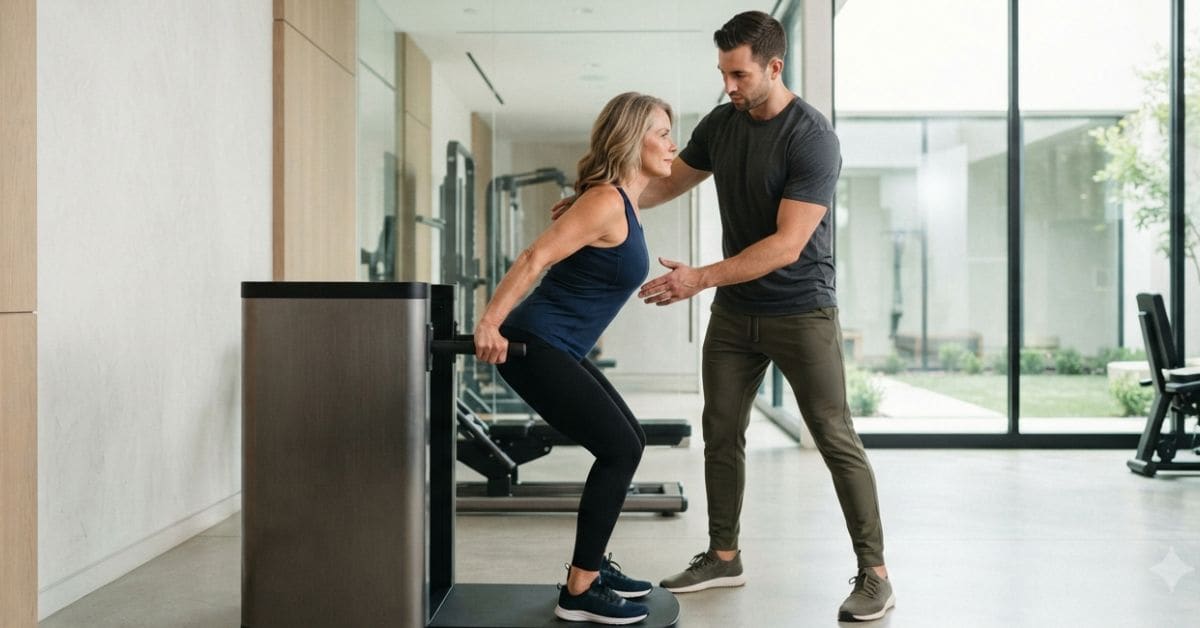
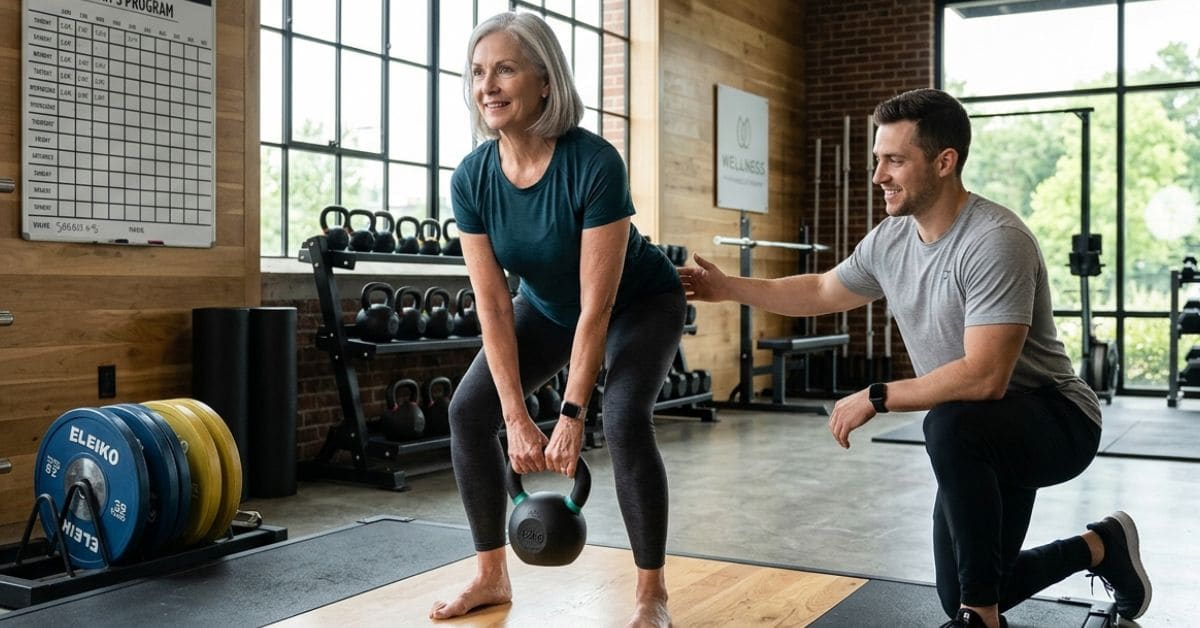
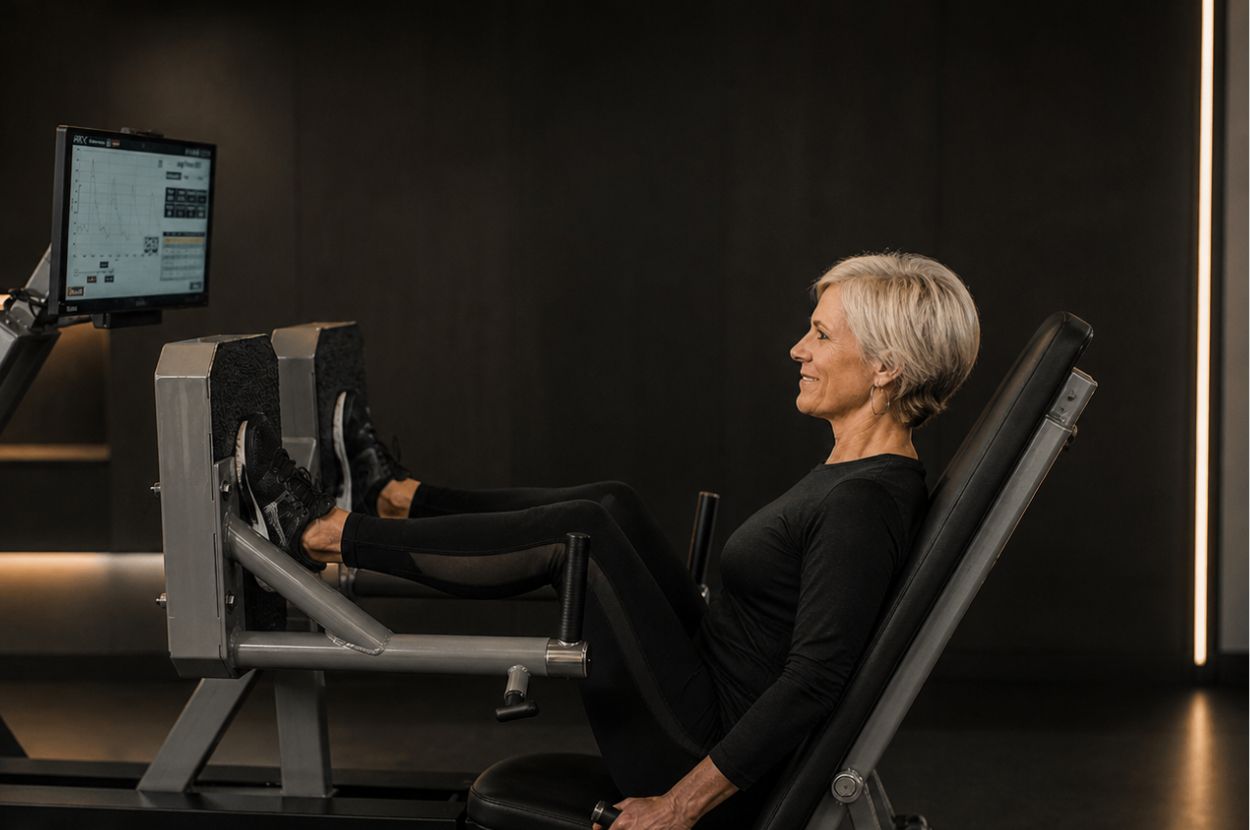
Older adult training on ARX equipment at LUX Fitness in Franklin, TN

How to Help an Aging Parent Start Strength Training in Franklin, TN

Your dad used to haul the Christmas boxes down from the attic in one trip. This year he made two, and he sat on the bottom step for a minute before the second one.

You saw it. He knows you saw it.

Neither of you said a word.

So now you’re searching for strength training for aging parents in Franklin, and the real question isn’t where. It’s how to bring it up without sounding like you’re calling him old.

Your mom holds the porch railing a little tighter these days too, and these are the people who taught you to ride a bike, so suggesting anything feels backwards.

We’ve picked up a few things at LUX Fitness about how this goes best. A gentle first conversation.

A calm first visit. And a plan for the moment your parent says, “I’m too old for that.”

How Do You Talk to an Aging Parent About Strength Training?

Start with what they want to keep doing, not with what they’re losing. “I want the garden to stay easy for you” goes over very differently than “you’re getting weaker.”

Your parents have heard plenty of advice. Doctors, friends, the evening news, you.

What they probably haven’t heard is an offer of something private, built around them, with a real person beside them the whole time. Lead with that.

And ask what they’ve noticed before you say what you’ve noticed, since plenty of parents have been quietly worried for months already.

Keep this first talk short. One suggestion.

Offer to help with the booking if they want it, then drop it for a few days.

Give a parent room to decide and they tend to come back with questions of their own. That beats a quick “fine, I’ll go” just to end an awkward dinner.
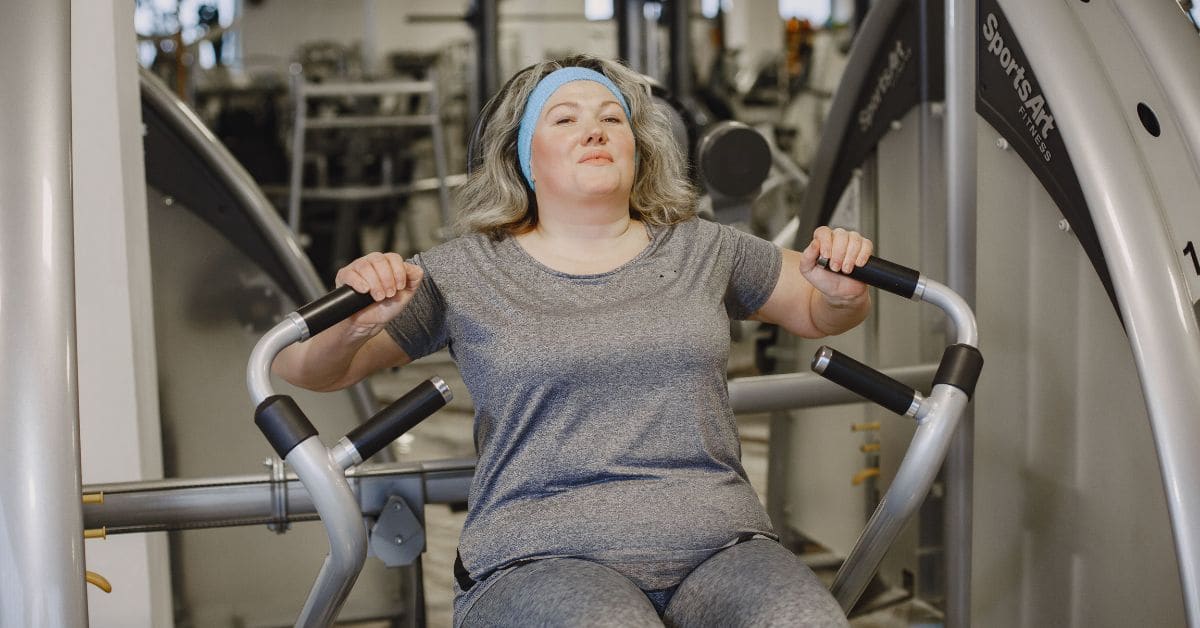
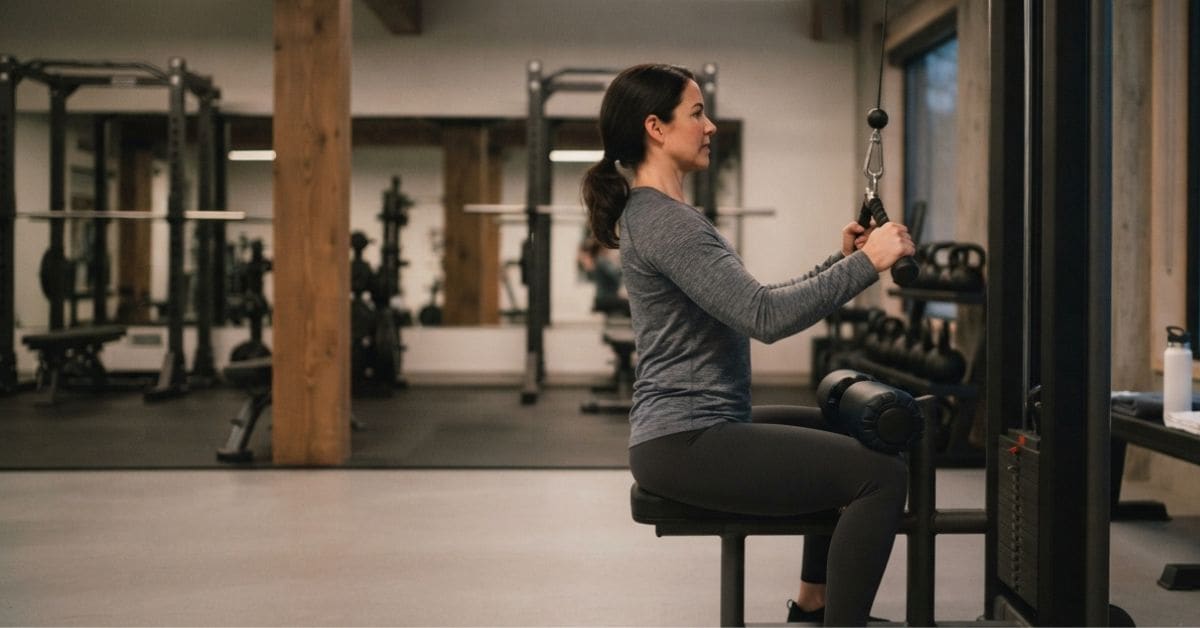
Middle-aged woman working out on gym machine for a healthy lifestyle.

What Should You Look For in a Strength Training Studio for an Older Parent?

Look for quiet. A coach who works with your parent directly, nobody watching, nothing blasting from the speakers.

Loud music, packed floors, and machines nobody explains are the usual reasons a first gym visit ends up being the last one.

Ask the studio before you drive anywhere. Four questions cover most of it:

  • Will a coach work one-on-one with my parent, or will they be left to figure out machines alone?
  • Is the space private and calm at the times my parent would come in?
  • Does the first visit start with a conversation about their goals and history?
  • Is progress measured, so my parent can see it for themselves?

Those questions are why we built LUX Fitness the way we did. Our strength training for seniors in Franklin is one-on-one and by appointment only, paced to whoever is in front of the coach.

The studio and the bathroom are both wheelchair accessible, too, which is the kind of thing nobody thinks to check until they’re scouting a place for a parent.

What Is a Parent’s First Visit to LUX Fitness Like?

Picture how it actually goes. You walk in and nobody is behind a counter waiting to sell you a package.

Your parent sits down with a coach, and the coach asks questions. What did you used to do?

What bugs you on a bad day? What do you want to still be doing next summer?

Talking comes first, every time.

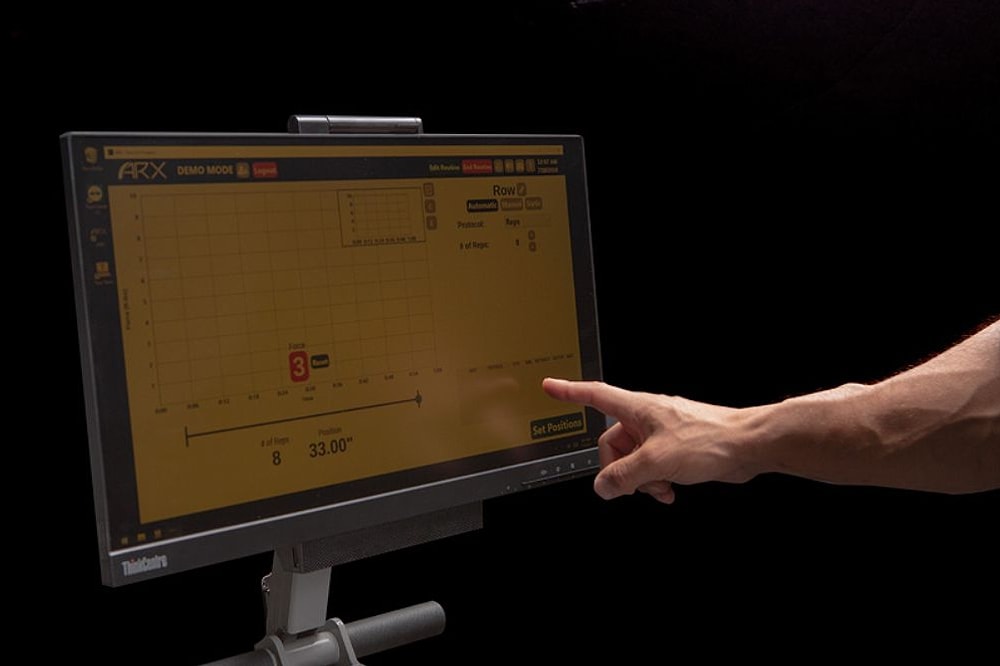
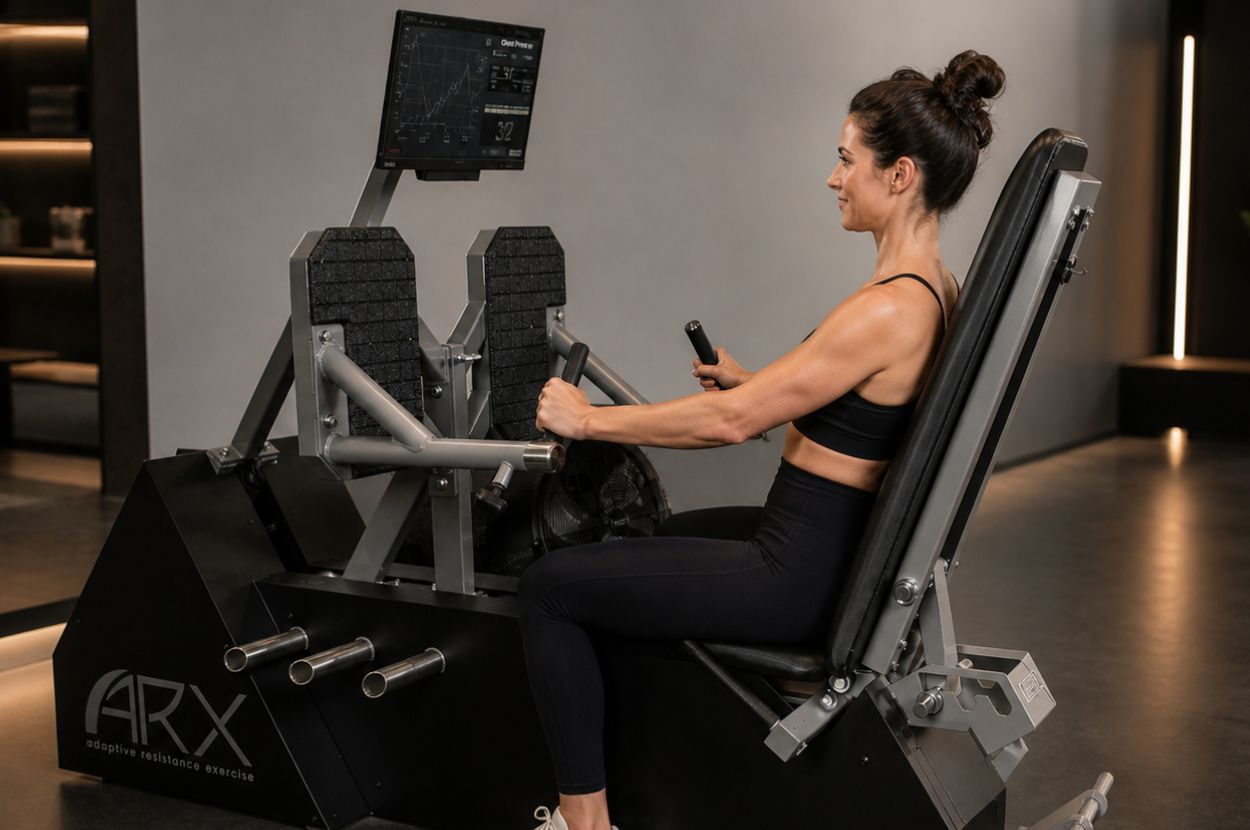
Then there’s a quick look around the studio, and your parent meets the ARX (Adaptive Resistance Exercise) machines. Those push back exactly as hard as you push them, so there’s no pile of plates to load.

A few slow reps, with the coach right there.

After that, the coach shares what they noticed and what training could look like, and that’s the end of it. Nobody chases your parent out to the parking lot with a clipboard.
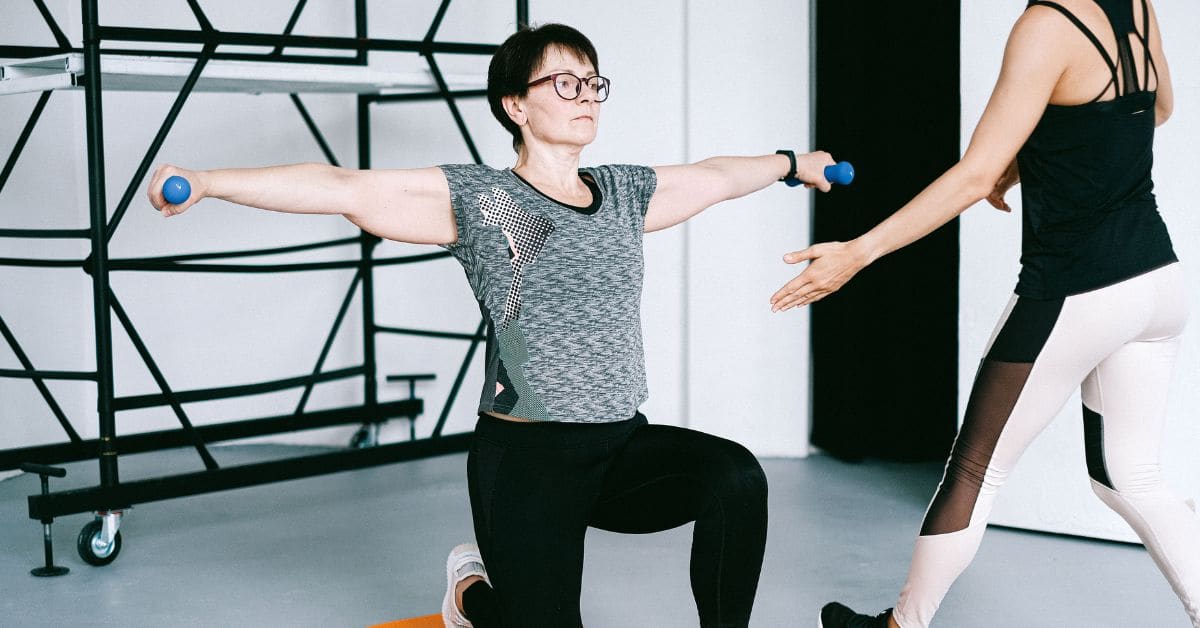
Two women working out with dumbbells on yoga mats in a modern gym setting, focusing on strength training.

How Can You Support Your Parent’s Strength Training Without Taking Over?

Mostly it’s logistics. Drive them, if they’d like that, or help put the sessions on the calendar.

Ask how it went. Then stop.

Don’t grade the numbers, and don’t compare them to the neighbor who walks five miles a day. ARX saves every session, so your parent can watch their own progress without your commentary.

And let them set the pace, because people stick with what they chose. A parent who feels managed by the kids rarely lasts.

What If Your Parent Says They Are Too Old to Start Strength Training?

When a parent says that, they usually mean one of two things. They’ll look out of place, or they’ll get hurt.

So skip the debate about age and talk to the worry.

Tell them it’s a private studio, that a coach adjusts every movement to how they feel that day, and that starting after years away is ordinary here. If they’d rather read first, point them to our guide on staying strong, mobile, and independent after 60, which covers what older adults ask most.

Frequently Asked Questions About Strength Training for Aging Parents in Franklin

What if my parent has never exercised before?

Totally fine. No experience is needed at LUX Fitness, and the coach talks your parent through each movement from the very first one.

The first visit isn’t a test, it’s more like two people working out where to begin.

How will we know strength training is working for my parent?

Look at the small stuff first. Getting out of a chair without the extra push with both hands, or hauling the groceries in one trip.

The coach also walks your parent through their ARX numbers, so there’s something on paper to point at, which beats a hunch.

How can I help if I live out of town?

More than you’d think. Sit with your parent while they call the studio, share a calendar for the appointments, and ask how it went afterward.

Every session is by appointment, so there’s always a next one on the books.

What if my parent feels self-conscious about exercising?

A private, appointment-only studio takes care of most of that worry. Nobody’s watching.

The coach stays with your parent the whole time, and nothing is rushed.

How does my parent get started at LUX Fitness?

Call 615-282-5882 and ask for a free intro session, which is how every new client starts.

You’d see the studio, talk through your parent’s goals, and hear how training works. No pressure.

Your Next Step With Strength Training for an Aging Parent

Nobody delivers the perfect speech. You’ll probably stumble through it over coffee, and that’s okay.

One respectful question about what your parent wants to keep doing, plus a first step small enough to say yes to, does the job.

If a calm, coached place sounds right, the free intro session is an easy way to take a look without committing to anything. It sits inside our physical fitness program in Franklin, which is built on structured progress and long-term strength.

None of this is medical advice. If your parent has a health condition or has noticed a recent change, their doctor is the right person to ask about starting something new.

LUX Fitness, 330 Mayfield Dr., Franklin, TN 37067. Phone: 615-282-5882.

A lone backpacker hikes a stunning mountain trail, embracing nature and adventure.

Strength Training for Hiking in Franklin, TN: Building Strength for Hills, Stairs and Long Trail Days

The kids reached the top of the hill a few minutes ago. They’re sitting on a rock, passing around the last granola bar, and watching you come up.

You’ve got one hand on your knee. You tell them you stopped to look at the view.

They know better. So do your thighs.

Strength training for hiking in Franklin won’t flatten the hill, and we won’t pretend it will. But it can change how the climb feels, and the pack, and the long walk out afterward.

At LUX Fitness that work happens one-on-one in a private studio, with a coach beside you the whole way.

What Does Strength Training for Hiking Need to Cover?

It needs to cover climbing, steady footing, and carrying a pack. Most of us start the same way.

A few easy trails, a breezy Saturday, feeling great. Then a friend suggests the one with the long climb, and the legs that were fine on flat ground turn out to have opinions.

A real trail wants a lot at once. Climbing, for one.

Loose rock underfoot, for another. Then a pack that gets heavier every mile, or feels like it does.

Each leans on different muscles, and a gap in any of them shows up on the steepest stretch. Usually with your kids watching.

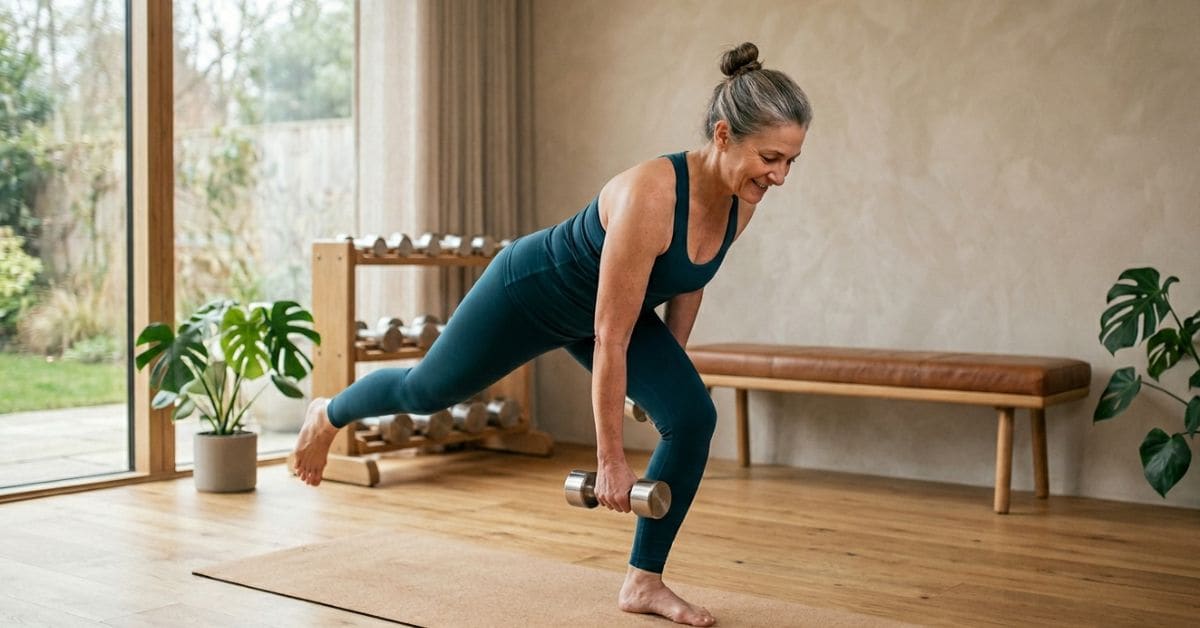
Woman doing a dumbbell hinge exercise to build leg and hip strength.

How Does Strength Training for Hiking Build Leg Power for Climbs?

Leg work builds the glutes, quads, and calves that do most of the climbing. Think about the last big hill you did.

Every step, one leg hoisted you up a few inches, then the other took over, again and again, with a pack riding along. By the top your thighs had a lot to say.

They get stronger the way anything does: you ask for a little more than they’re used to. In the studio we do it with slow, steady leg work.

Your coach is beside you the whole time.

Strength Training for Steady Footing on Rocky Trails

Stronger hips and ankles can help you stay steady on loose rock and tall steps. You know the half second after you catch a toe on a root, when you find out whether you’re staying upright.

Loose gravel asks the same of you. Going downhill is that same work with the brakes on.

Picture a creek crossing, wet rock, and a step down you didn’t see coming. Your hips and ankles sort that out in about a second.

ARX matches whatever force you put in, start to finish.

How Strength Training Helps You Carry a Daypack on the Trail

A stronger upper back and core can make a daypack feel lighter on the trail. Water, a sandwich, a rain jacket, somebody’s spare socks.

At the trailhead the pack weighs nothing. By mid-afternoon you’d swear a toddler climbed on.

Blame your upper back and core. When they tire, you may lean forward and your lower back ends up doing extra.

Getting both stronger can make the walk out a lot nicer.

Packing light helps, sure. So does being stronger underneath the pack.

We get into the core side in our guide to building a stronger core through strength training, which is handy reading if you’ve ever walked out of the woods with your back complaining.

Woman using adaptive resistance fitness equipment during a training session.

Upper Body Strength for Hiking Poles and Rocky Scrambles

Your shoulders and upper back do real work when you use poles or pull up a rock step. Arms don’t make anyone’s hiking checklist.

Then the trail tilts up, you plant a pole and push. Or you haul yourself up a rock step by hand, grabbing whatever’s there.

ARX has pulling and pressing movements, so the arms get their turn right beside the leg work. Got an old knee, hip, or ankle story?

Mention it to your coach at the free intro session.

And if a joint hurts in a way that worries you, see your doctor or a physical therapist before you train.

How Does LUX Fitness Build Strength for Hiking in Franklin?

Your first visit is the free intro session. You see the studio, meet your coach, and talk about the trails you hike.

Ask whatever you like, and take your time. The studio has no barbells, free weights, or cardio machines.

Training happens on the ARX Alpha and ARX Omni, which keeps the routine simple.

Visits after that run about 30 minutes in a private studio, by appointment, and open with a brief warm-up. Each rep is measured, and the screen shows your effort, so you can see what a leg set took out of you rather than guessing from sore thighs.

The whole plan lives inside our physical fitness program in Franklin, and your coach is with you for each session. Membership is month-to-month with no long-term contract, so there’s nothing to get locked into before a hike or after one.

Nobody hands you a random pile of exercises.

Frequently Asked Questions About Strength Training for Hiking in Franklin

Do trekking poles mean I need less leg strength for hiking?

Not really, no. We hear this one a lot, usually from people who’ve just bought nice poles.

Poles are lovely. Your legs still lift your whole body on every step and brake it on the way down, and a pole can’t do either for you.

Can strength training for hiking help me keep up with my kids on the trail?

It can, yes. Stronger legs and core may mean you spend less of the climb gasping, so there’s something left over when the kids decide to race ahead, stop to poke a log, and race ahead again.

Should I strength train the day before a hike?

Going into a hike on tired legs can make it feel harder, which is worth keeping in mind. How close to a hike you can train depends on the person, so ask your coach at the free intro session.

Do I need hiking-specific exercises, or does general strength training work?

General strength work is mostly fine, as long as it covers legs, hips, core, and upper back. You don’t need a second program just for hiking.

Can I keep strength training during peak hiking season?

Yes, and it’s a good idea. Keeping at it through the busy months can help you hold on to what you built before them.

If a big trail weekend is coming up, bring it up at your next session.

Hit the Trail With Something Left in the Tank

A good hiking day ends with tired legs and a story worth telling. That’s what we’re after.

Got a big hike coming up? The free intro session is an easy place to start.

We’ll walk you around the studio, hear which trails you have in mind, and answer questions about how a visit goes. No pressure.

It’s fine if the hike is still a vague idea.

None of this is medical advice. If you have health concerns, check with your physician before starting a new exercise program.

LUX Fitness, 330 Mayfield Dr., Franklin, TN 37067. Phone: 615-282-5882.
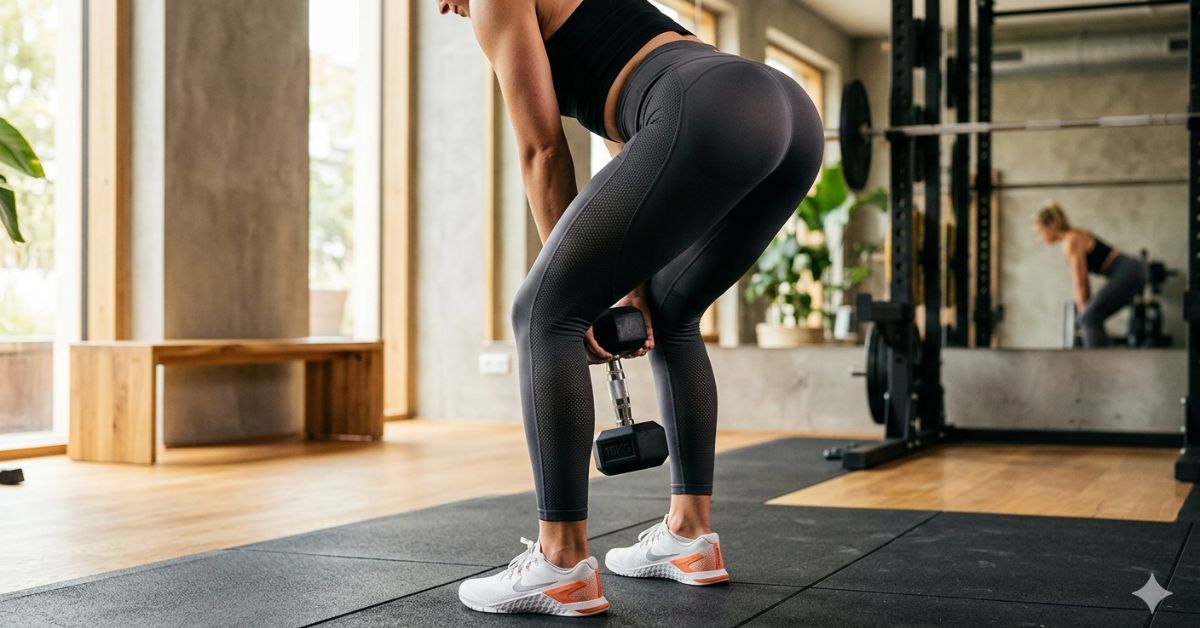
Older adult training on ARX equipment at LUX Fitness in Franklin, TN

What Is Eccentric Training in Franklin, TN? A Plain Guide to the Lowering Phase

Halfway down the stairs at work, coffee in one hand and phone in the other, your front knee gives a little shimmy.

Nobody saw. You grab the rail anyway.

Going up never bothered you. Coming down is another story.

That’s how you end up in the elevator, or hauling groceries in two trips so nothing heavy has to take the porch steps. You never decided any of it.

So, what is eccentric training? That wobbly part has a name.

It’s the lowering half of a movement, where a muscle keeps working while it lengthens, and we care about it at LUX Fitness in Franklin because it’s part of everyday strength.

What Is Eccentric Training, in Plain Words?

Lowering, basically. Any time a muscle is working while it gets longer, that’s eccentric.

Take a kitchen chair. Standing up is the concentric half, the only other vocabulary word you’ll need.

Easing back down is the eccentric half.

Here’s the part most people never hear. A heavy box goes down onto the garage floor just fine.

Getting it back up is the fight. Eccentric training slows the way down, so gravity doesn’t do the job for you.

Walk down a hill and your thighs brake every step. Otherwise you’d end up running.

You’ve done this your whole life and never needed a name for it.

personal trainer coaching a client doing dumbbell exercise

Where Does Eccentric Training Show Up in Everyday Life in Franklin?

Anywhere you control a descent, which is more of your week than you’d guess. Here are a few:

  • The office stairs, and the church hall stairs
  • Dropping into a restaurant chair without the thud
  • A bag of mulch going down on the garage floor
  • A sleeping toddler going into a car seat (and staying asleep)
  • The downhill half of a Saturday walk

None of those is a lift. They’re all lowerings, and when that strength has slipped, they’re the ones that feel shaky, even on an ordinary Tuesday.

And since nobody enjoys feeling shaky, we dodge them. The elevator, the extra trip, a pass on the downhill, and that’s how a wobble turns into a habit.

Why Does Eccentric Training Matter for Everyday Strength?

Control. That’s the short answer.

A heavy bag slipping out of your hands on its way to the floor isn’t a lifting problem at all.

It suits busy people too. The way down is part of every movement you already make, so you get plenty of chances to practice before lunch.

And there’s a calmer payoff. Trust the way down and the rail goes back to being a backup.

You stop clutching it.

Mostly it’s about staying capable for the long haul. That’s what we care about at LUX Fitness.

Stairs, groceries, the living room floor and back up again.

Hand selecting an exercise on the ARX touchscreen

How Does Eccentric Training Fit Into One-on-One Coaching at LUX Fitness?

At LUX every session is one-on-one, so a coach is with you through the whole movement. Down counts as much as up.

Nobody else is waiting on your coach, so nobody hurries you through the part that needs care. It’s a calm way to find out what lowering with control feels like.

Then there’s ARX. It’s the Adaptive Resistance Exercise technology we train on, and the resistance adapts as you move.

Our advanced strength training technology page has the longer story.

Good control looks pretty boring. Smooth top to bottom, steady breathing, and you could freeze halfway without a shake.

A sudden drop near the bottom is one giveaway, and so is a bounce out of the low point. We wrote up how adaptive resistance training differs from lifting weights if you’re curious.

How Can You Practice Eccentric Control at Home?

Try it tonight in your kitchen. Sit down so slowly the chair barely notices, then stand back up the way you always do.

On the stairs, keep a hand near the rail and see whether each foot can land without a sound.

The last few inches are where most of us rush. Catch yourself doing it.

A bag of mulch goes down the way it came up, hips and knees bending.

Keep it easy. If a version hurts, skip it, and if something keeps hurting, ask your doctor or physical therapist.

Frequently Asked Questions About Eccentric Training in Franklin

Can beginners do eccentric training?

Yes, and the kitchen makes a good classroom. Lower yourself into a chair slowly enough to feel your knees and hips working, instead of dropping the last few inches.

Go light. If you have a health condition, talk to your doctor before you start.

Can older adults do eccentric training?

They can. Most of what you do on stairs and chairs is lowering already, so the practice is built into your day.

Start easier than you think you need to. The free intro session is a good time to ask your coach where to begin.

Is eccentric training the same as slow-motion training?

No. Slow-motion drags out every part of the rep, up and down.

Eccentric work takes the up at a normal speed and takes its time coming down.

How slow should the lowering phase be?

Slow enough that you could pause halfway and not shake. Past that, there’s no magic number, and anyone who hands you one without watching you move is guessing.

Your coach will be standing right there, so ask.

Does eccentric training replace the rest of strength training?

No. It’s the second half of every rep.

You go up, then you come down, and eccentric work just refuses to rush the coming down.

What Eccentric Training Can Do for Everyday Strength in Franklin

Get a little better at the way down and the stairs feel steadier. So does the mulch bag.

So does the sleeping toddler. It’s one piece of the strength work at our private gym in Franklin, and the piece we’d happily show you in person.

Stairs feeling like a negotiation? Say so on day one.

That’s your coach’s starting point. You don’t need to prepare anything.

Want to see how it works? Start with the free intro session.

Someone shows you around, asks what you’re after, and explains how sessions go. The studio is private and appointment-only, and it is wheelchair accessible.

A session runs about 30 minutes with a brief warm-up. ARX measures each rep, the lowering ones too, so your coach can see the way down as well as the way up.

Membership is month-to-month. No long-term contract.

This is general information, not medical advice. Anything hurting, or any health concern?

See your doctor or physical therapist before trying something new.

LUX Fitness, 330 Mayfield Dr., Franklin, TN 37067. Phone: 615-282-5882.

Healthcare professional using strength training equipment in a private fitness studio.

Strength Training for Healthcare Workers in Franklin, TN: Staying Strong Around Long Shifts

After a long shift your feet hurt, your lower back is stiff, and the gym bag in your car has sat untouched since last week. That much standing and walking feels like exercise enough for one day.

It wears you out, sure. It just doesn’t make you stronger.

You know the routine. You chart on your feet, you walk the same hallway more times than you can count, and when you finally reach the car you sit there a minute before turning the key.

Strength training is the last thing on your mind.

If you’ve been looking into strength training for healthcare workers in Franklin, the goal is simple: work the legs, hips, back, and grip your job leans on. We do that at LUX Fitness with one-on-one sessions, by appointment, in a private studio.

Why Is Strength Training Hard for Healthcare Workers to Keep Up?

Because most workout plans assume next week looks like this week, and in healthcare it often doesn’t.

Your rotation changes, a shift runs over, or a coworker calls out, and the evening you planned to train is gone. When that keeps happening, the plan falls apart, and that’s not a failing on your part.

A lot of people also figure a full day on the floor already counts as exercise. It’s a lot of use, but it isn’t training you chose and planned.

A crowded gym is one more thing to dread after a day like that. You’d be hunting for parking, waiting on equipment, and deciding what to do once you’re inside.

A private studio takes all of that off the list.

Personal trainer coaching a client during a private strength training session

What Long Shifts on Your Feet Ask of a Healthcare Worker’s Body

A long shift is rough on the calves, hips, lower back, and shoulders. Picture a morning of bending over beds, pushing carts, and reaching into supply cabinets, and that’s before anyone needs to be moved.

Sitting a patient up or helping them into a chair takes strong legs and a steady grip, and it never seems to happen at a good angle.

You feel the toll long before you’d call it lost strength. Feet quit earlier.

Low chairs are a project. Groceries seem heavier by the time you reach the car.

Nurses and techs put everyone else first, and your own back gets what’s left.

Training can’t shorten your shift, but it can give those muscles a little more to work with.

How Strength Training for Healthcare Workers Works at an Appointment-Only Studio

LUX is an appointment-only private studio, and every session is one-on-one with a coach. There’s no class to keep up with and no crowd to work around.

You show up, the plan’s already written, and after a short warm-up you’re training. Nobody makes you decide what to do, and there’s no waiting around for a machine.

That’s the point. You walk in with one job, and it’s to train.

The free intro session is where you tell your coach about your week. Mention the shifts you work, what a normal stretch looks like for you, and what you’d like to get out of training.

We’d rather hear it from you than guess.

If keeping it going is what worries you most, our guide to staying consistent with strength training when work wrecks your schedule is worth a read too.

Building Strength for Lifting, Bending, and Standing at Work

Each session works the big muscle groups you use to stand, bend, and lift. You do pushing, pulling, and leg work on our ARX (Adaptive Resistance Exercise) machines, the ARX Alpha and ARX Omni.

Think of the moves your shift repeats: bending to a bedside, pushing up from a low stool, carrying a load down the hall. Training works those same big patterns, with a coach beside you.

ARX matches the effort you put in from the start of a rep to the end. There’s no weight to pick out and nothing to drop when you finish.

None of this replaces your facility’s safe patient handling training or lift equipment. You just bring more strength to the physical part of the job.

Measurable Strength Training for People Who Read Charts All Day

You chart vitals all day, so this part might feel familiar. Every rep is measured, and the screen shows your effort on every rep.

If a rough stretch at work leaves you run down, tell your coach. That’s useful to know, and it’s a normal thing to bring up.

Ask your coach anything about what the screen is showing you.

Woman standing tall with good posture in a fitness studio

Strength Training for Nurses and Hospital Staff in Franklin

Healthcare covers a lot of jobs, from hospital and clinic teams to techs, therapists, and the offices that keep everything running. The jobs are different, but long hours on your feet come up in many of them.

If you work in one of these jobs, you may not be after a sporty look. You may just want a back and feet that hold up through the shift, and to stay capable as the years go by.

Our physical fitness program in Franklin is built around structured progression, and every rep is measured along the way.

Frequently Asked Questions About Strength Training for Healthcare Workers in Franklin

Should healthcare workers strength train on workdays or days off?

Either can work, depending on when you have the energy to show up. Hardly anyone enjoys training at the end of a long shift, so be honest about that.

Tell your coach about your week at the intro session and talk it through from there.

Is strength training okay if my feet and back already hurt after shifts?

Possibly, once you know what is behind the pain. Sharp pain, or pain that keeps getting worse, should go to your doctor first.

We coach strength and we don’t diagnose anything. Once you’re cleared, tell your coach how you feel and ask questions.

Will strength training help me lift and reposition patients?

It can help with the strength side. You build the legs, hips, trunk, and grip that the work leans on.

It’s no stand-in for your facility’s safe patient handling training or its lift equipment, though, and you should keep using both. ARX measures each rep and shows your effort on the screen, so you can see the strength side of that work.

Do I need training experience before I start?

No, you start wherever you are today. Your coach begins with where you are now and builds from there.

Plenty of people walk in feeling out of practice, and the free intro session is a low-pressure way to see how it feels.

What happens at a free intro session at LUX Fitness?

Mostly talking and looking around. You see the private studio, tell your coach about your goals and how your body feels, and watch ARX in action.

There’s no pressure. Wear something comfortable and bring questions, especially about your week and what you want from training.

Getting Started With Strength Training for Healthcare Workers

You don’t have to sign up for anything to see if this fits. Come in, look around the studio, ask your questions, and see how it feels.

If you work in healthcare and you’re curious about strength training in Franklin, the free intro session at LUX Fitness is an easy way to look around first. Ask whatever you like about the studio, ARX, and what training could look like for you, and decide when you’re ready.

None of this is medical advice. If you have pain, an injury, or a health condition, check with your doctor before you start.

LUX Fitness, 330 Mayfield Dr., Franklin, TN 37067. Phone: 615-282-5882.

A woman in casual clothing holds her neck, indicating pain or discomfort.

Strength Training With Shoulder Pain in Franklin, TN: How Coached Sessions Work

You’re in the aisle of a plane, carry-on in one hand, doing math. Which arm?

How high is that bin? Is the guy in the next seat the type who’d offer?

Same math happens at the top rack of the dishwasher, in the back seat of the car, at a coat hook somebody mounted too high. You get good at it without noticing.

And somewhere along the way you quietly cross “gym” off the list, because the last time you pressed something overhead, the twinge came right back.

That’s who we’re writing this for. Strength training with shoulder pain in Franklin is a fair thing to ask about, but the honest answer starts with “depends on the shoulder,” and we can’t see yours from here.

What we can do is describe how coaching works at LUX Fitness, one-on-one in a private studio, and point out where the medical questions belong to somebody else.

Coach guiding compound movement to rebuild functional strength safely

Can You Do Strength Training With Shoulder Pain?

For some adults, yes, as long as the limits fit the shoulder and a doctor or physical therapist has weighed in first.

Pain that’s new, sharp, or getting worse? See them before anything else.

Here’s why nobody can settle this in a blog post. “My shoulder hurts” covers a stiff joint from ten years of laptop work, and it also covers the person who grabbed a falling box last week.

Same words. Very different situations.

So treat this as general education, not medical advice. Nothing on this page diagnoses anything.

If you’ve already finished rehab and you’re wondering what’s next, we wrote about strength training after physical therapy in Franklin for exactly that spot.

Why a Crowded Gym Floor Is Hard on a Touchy Shoulder

A crowded gym floor tends to move fast and leaves little room for anyone to watch how a sore shoulder moves, which is why it can be hard on one. On a weeknight after work, the gym floor runs on speed.

One bench is free. You have to pick up the kids soon, so the warm-up goes first.

Somebody’s hovering by the rack, so the last two reps get swung. A cranky shoulder hates every bit of it.

A few weeks later the old pinch is back. You ease off for a while, then you quietly stop going.

That isn’t a discipline problem. Nobody on that floor was watching how your shoulder moved.

What a Coach Watches During Strength Training With a Sore Shoulder

In a one-on-one session, a good part of the coach’s job is just watching. The details are small, the kind you’d never catch on your own:

  • How quickly a rep drops on the way down
  • Your shoulder inching toward your ear once you get tired
  • A lower back that arches as you push to finish
  • Reach that quietly gets shorter, or longer, from one rep to the next
  • Holding your breath through the hard part

Catch one of those and your coach can point it out right then, so you can talk it over. That’s a coach watching, not diagnosing.

Your doctor or physical therapist draws the lines, and anything they tell you is worth passing along.

If you want the longer version of that idea, our strength training for past injuries in Franklin page covers how we think about training after an old injury.

person training using an ARX equipment

How ARX Sessions Work for Shoulder Strength Training in Franklin

ARX stands for Adaptive Resistance Exercise, which is a mouthful, so here’s the practical bit. The machine feels how hard you’re pushing and meets you there.

Shove harder and it shoves back. Back off and it backs off with you.

There’s no stack of plates parked at the bottom of the rep and nothing to swing, so the cheating most of us do on the last two reps just isn’t on the menu.

Each rep is measured and the screen shows your effort, so if a rep feels off, you and your coach can look at what you were putting in.

It’s just you and your coach, in a private studio, with a short warm-up before you start. If a rep feels wrong, say so right then.

Telling Muscle Effort Apart From Shoulder Pain

Muscle effort usually feels like a burn or a tired ache in the muscle, while pain that is sharp, pinchy, or deep in the joint is a different signal worth telling your coach and your doctor about. Think about the last time you worked a muscle hard.

That burn, or the heavy, tired ache sitting in the belly of the muscle, is effort. Shoulder pain is a different animal.

It can be sharp, or pinchy, or there’s a catch halfway through a reach, or it gets a little louder with every rep. Tell your coach the second it shows up.

They can’t change what they don’t know about.

Soreness the next day can happen when the training is new. Pain deep in the joint is another story.

So is pain that wakes you at night, or a shoulder that feels worse than it did before you began. Those are worth a call to your doctor.

Nobody’s asking you to tough it out here. When something feels off, say so right away and talk it through with your coach.

Frequently Asked Questions About Strength Training With Shoulder Pain in Franklin

Should I rest my shoulder completely until it stops hurting?

That one is for your doctor, not for us. A fresh or worsening shoulder may call for rest first, while an old, settled one can get very different advice.

Once you have their answer, pass it along to your coach.

Can I still train my legs and core if my shoulder hurts?

It may be fine, unless your doctor says otherwise. Leg and core work can ask less of the arms, so it’s worth bringing up.

Tell your coach about the shoulder so they know what’s going on.

Will strength training fix my shoulder pain?

No. Strength training isn’t a treatment, and LUX Fitness doesn’t diagnose or treat shoulder problems.

Coaching builds general strength with someone watching. For what’s going on inside the joint, ask your doctor.

Are pushing exercises okay with shoulder pain?

That depends on the shoulder, so it’s a question for your doctor first. Once you have their answer, bring it to your free intro session and ask your coach about it there.

What should I bring up at my free intro session?

Everything about the shoulder, boring parts included. How long it has bothered you, what sets it off, and any limits you were given.

The free intro session is a walk through the studio and a talk about your goals, and there’s nothing to pass. Ask whatever you like.

Starting Strength Training With Shoulder Pain at LUX Fitness

A sore shoulder doesn’t have to end strength training. Some people start by talking it over with their doctor, then with a coach who is paying attention.

If an old shoulder has kept you out of the gym, the free intro session is a pretty easy way back in.

We’ll walk you through the private studio, hear your shoulder history, and explain how our wellness center in Franklin fits into staying strong over the long haul. No pressure, no surprises.

None of this is medical advice. Check with your doctor or physical therapist about your shoulder before you begin.

LUX Fitness, 330 Mayfield Dr., Franklin, TN 37067. Phone: 615-282-5882.

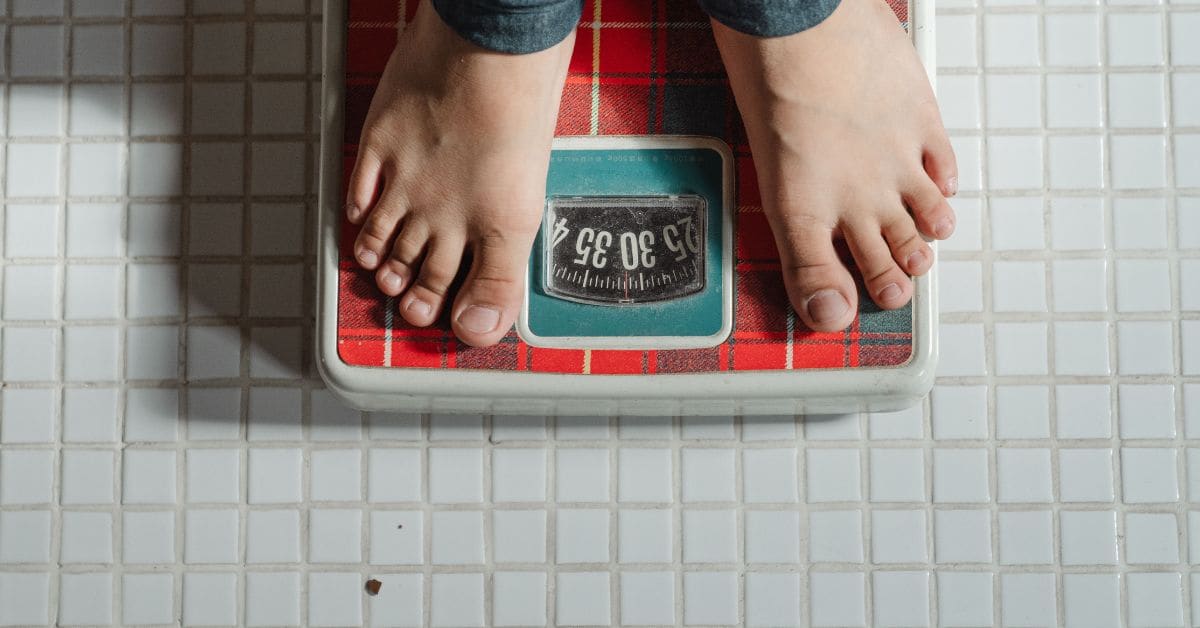
Top view of a child barefoot on a bathroom scale on a tiled floor.

Gaining Weight After Starting Strength Training? What’s Really Happening, A Franklin, TN Guide

Tuesday morning, bathroom, before coffee. You step on the scale like you always do, and the number is higher than it was before you started training.

You haven’t missed a session. You haven’t started eating like a teenager.

So you stand there with a towel around your waist and the math won’t work.

This is the spot where plenty of people quit. They decide the training isn’t doing anything, or that it’s doing something to them they never signed up for.

It’s usually a lot more ordinary than that. Gaining weight after starting strength training in Franklin is often an ordinary swing on the scale and not a sign the training isn’t working, and at LUX Fitness we’d rather tell you so now than watch you walk away over one number.

Why Am I Gaining Weight After Starting Strength Training?

Often it’s just the scale being a scale. It swings from one day to the next, and that tells you very little about the training.

Your bathroom scale can’t tell muscle from breakfast from the glass of water you drank on the way in. It adds everything up and hands you one figure.

So in the first weeks of anything new, it’s a pretty blunt tool. Your routine, your appetite, and your sleep are all shifting at once.

None of that means something’s wrong.

Close-up of a man's hand gripping a dumbbell in an indoor gym setting.

How Strength Training Makes the Scale Jump in the First Weeks

A new routine can nudge the number up for a while, and the reasons are usually pretty dull.

Everything’s changing at once. New sessions, a bigger appetite, sleep that’s a little off, and each one nudges the scale in its own direction.

Picture week two. You’re hungrier than usual, you slept badly on Thursday, and you weigh yourself on Friday after a long day.

That’s three small changes feeding one number.

Does New Muscle Explain Gaining Weight After Starting Strength Training?

Rarely, and not yet. Muscle takes time, so a jump in the first couple of weeks is far more likely plain fluctuation than new muscle.

That’s good news twice. You’re not suddenly getting bulky, which is a worry we hear a lot.

And the muscle you do add later may barely move the scale while it can show up everywhere else: the groceries, the stairs, the heavy box in the garage, getting up off a low couch.

In our private, appointment-only studio you train on ARX Alpha and ARX Omni. Each rep is measured, and the screen shows your effort, which gives us something besides the scale to look at.

That lets us ask a better question than the scale does. Are you getting stronger?

Everyday Things That Move the Scale While You Start Strength Training

Plenty of what moves the number has nothing to do with your workout. These are the usual suspects:

  • A salty takeout dinner the night before
  • A short night of sleep, or a long travel day
  • A stressful week at work
  • Feeling hungrier since you started training, and eating a little more
  • Weighing yourself after lunch instead of first thing

Stack two or three of those on the same morning and the scale can bounce more than you’d expect. If you do weigh yourself, pick one time of day and stay with it.

Watch the trend across a few weeks, not one morning.

Better Ways to Track Strength Training Progress in Franklin

We’d watch your strength instead. Clothes fit a little differently.

The stairs at work feel easier. You’ve got something left at three in the afternoon, and changes like those can show up before the scale agrees.

Sessions at LUX run around 30 minutes with a brief warm-up, and you’re one-on-one with a coach the whole time. If you’d like the details, we explain how ARX training sessions in Franklin work on another page.

And if a number has ever shaken your confidence, our guide on staying consistent with strength training covers how to keep going when life gets busy.

Close-up of a man rowing indoors, showcasing fitness and determination in a gym setting.

When Gaining Weight After Strength Training Is Worth a Doctor’s Visit

Most early gain is slow and settles by itself. A big jump over a few days, swelling in your ankles or hands, or weight gain along with shortness of breath is a different story, and that’s a call to your doctor.

We’re a strength studio, not a medical practice, so we don’t diagnose anything. What we can do is show you your effort on the ARX screen.

And if you’ve been feeling off, tell your coach.

Frequently Asked Questions About Gaining Weight After Starting Strength Training in Franklin

How long does weight gain last after starting strength training?

Usually a few weeks. Once the sessions feel familiar, the scale often levels out.

If it keeps climbing well past that, mention it to your coach and your doctor so someone is keeping an eye on it.

Should I train less if the scale keeps going up?

No, a higher number early on isn’t a reason to train less. It usually settles once the work stops feeling new.

If you feel run down or very sore, tell your coach and your doctor.

Is it normal to feel puffy after a strength training session?

Yes, feeling a little puffy or tight is common after new work. For plenty of people it fades in a day or two.

Swelling that comes on suddenly or hurts is a different thing, and your doctor should look at it.

Can the scale go up while I’m getting stronger?

Yes. Strength and the scale don’t always move together, especially early on.

Some people feel stronger and have more energy while the number creeps up for a few weeks. The ARX screen shows your effort on every rep, so you can see the strength side for yourself.

Does protein make you gain weight when you start strength training?

Not on its own. Your overall eating is what moves body weight over time, not one nutrient.

Members get protein and electrolytes free at the Supplement Bar, but we only coach training. Meal planning is a conversation for you and your doctor or dietitian.

Giving Your Body a Few Weeks to Settle

A higher number in your first weeks is often just normal ups and downs, so give it time and keep showing up. LUX is a private, club-style studio, and membership is month-to-month with no long-term contract.

If you’d like progress you can point to, come in for a free intro session. We’ll walk you around the studio, hear what the scale has been doing, and show you how every rep is measured on the ARX screen, with no pressure.

Bring the number that has been bothering you and ask whatever you like about it. You can also read about our physical fitness program in Franklin first, if you’d rather.

None of this is medical advice. If a change in your weight worries you, or comes with swelling or shortness of breath, please talk with your doctor.

LUX Fitness, 330 Mayfield Dr., Franklin, TN 37067. Phone: 615-282-5882.

Client using a resistance machine during an indoor winter strength workout

Strength Training and Confidence in Franklin, TN: How Getting Stronger Carries Into Everyday Life

Your sister texts that the whole family is hiking Saturday. You type “sounds fun!” and then spend a few days quietly working out how steep it is, how far, and who’ll be waiting at the top while you catch your breath.

Nothing is wrong, exactly. You’ve just stopped trusting your body to cooperate, so you say yes with one eye on the exit.

That’s where strength training and confidence meet. So much of life in Franklin happens on your feet, from ball games and recitals to a slow evening walk downtown, and feeling capable changes how often you say yes.

How Does Strength Training Build Confidence Outside the Studio?

It gives you proof. Once you notice you’re stronger than you were before, you may stop second-guessing what your body can handle.

Think about loading the car for a weekend game. The cooler goes in, then the folding chairs, then the bag somebody forgot, and you never stop to think about it.

That’s about as good as it gets, honestly. The moment you stop bracing is usually when confidence has shown up, long before the mirror has anything to say.

Or picture the walk back from the field after a ball game, a folding chair over one shoulder and a kid asking to be carried the last block. A lot of your attention used to go to your own legs, and a few weeks of getting stronger can hand some of it back.

Hands tend to be the first thing to give out on a long carry, by the way, and we cover that in our guide to building grip strength.

Client is performing a controlled strength exercise while a professional trainer provides coaching nearby.

How Does Measurable Strength Progress Change How You See Yourself?

A feeling is easy to doubt, and a result you can point to is a lot harder to argue with. Training at LUX Fitness is built around ARX, short for Adaptive Resistance Exercise, and we think strength should be something you can see for yourself.

Here are the kinds of moments people usually want to feel ready for:

  • Carrying the groceries in one trip
  • Getting down to the floor with a toddler
  • Keeping up on the last hill of the walk

You can ask how progress gets followed when you visit. Noticing your own improvement beats taking anyone’s word for it.

That’s often when “I’m trying” turns into “I’m someone who trains,” and people begin to talk differently about what they can do, in the studio and out of it.

Why Does Confidence From Strength Training Last Longer Than Motivation?

Because it tends to come from showing up, not from a burst of enthusiasm. Every session you keep is a small promise you kept.

You’ve probably done the start-stop thing before. A big plan, a great first week, a busy stretch at work, and the whole thing slides without anyone deciding to quit.

Think about anything that’s already on your calendar, like a carpool or a standing coffee with a friend. You don’t agonize over those, because the decision was made when you booked it.

Restarting then means remembering the last plan that fell apart, and your trust in yourself wears down a little each round.

Training with a coach who’s expecting you takes the daily decision off your plate. We care more about consistency than intensity at LUX Fitness, and nothing is meant to flatten you for days.

Ask your coach at the free intro session what a typical visit looks like.

Can You Build Confidence With Strength Training When You Are Starting Over?

Yes, and you don’t have to be in shape first. Some people walk in after a long break, or years of desk work, or a program that fizzled out by February.

You don’t have to guess at a starting weight, since ARX resistance adapts as you move.

Got an old knee or shoulder or back that complains? Say so before your first session.

Anything that needs a medical opinion goes to your doctor first.

Beyond that, ask your coach at the free intro session how you will know you are making progress. Small wins count here.

Active adult age 65-75 performing a supervised strength training exercise in a premium private fitness studio

How Does the LUX Fitness Wellness Center Support Confidence in Franklin?

Part of feeling capable is looking after the whole picture, and that’s the idea behind our wellness center in Franklin, where training, recovery, and everyday habits come together.

It helps that every session is one-on-one with your coach. Nobody’s watching while you figure out a machine, and nobody’s waiting for it either.

The studio is private and appointment-only, which means nobody is circling for your spot. Sessions run around 30 minutes with a brief warm-up.

ARX Alpha and ARX Omni are the only training equipment, so there are no barbells or cardio machines to learn. The studio is also wheelchair accessible.

Members get protein and electrolytes included, so the hour after a session is a little easier. Your coach can walk you through it at your intro.

Frequently Asked Questions About Strength Training and Confidence in Franklin

How long before strength training makes you feel more confident?

Usually it shows up in small everyday moments before it shows up in the mirror, and the timing is different for everyone. Noticing your own strength improve can make the change easier to trust.

Is it normal to feel self-conscious when starting strength training?

Yes, very, especially if you’re used to a busy gym where people can see everything. Here your coach walks you through each movement, so you’re never working it out in front of strangers.

What if my strength progress slows down?

Look at the longer trend instead of one session, since slower weeks happen to everybody. If it feels stuck, bring it up with your coach and ask how they handle a stall.

Do I need gym experience to start at LUX Fitness?

No.

Your coach explains every movement and watches your form, so all you bring is effort. Starting with no gym history at all is fine.

What happens at a free intro session?

We walk you through the studio, talk through your goals, and explain how training works. It’s low pressure, and you leave knowing what to expect.

Feeling Capable in the Life You Already Have

Getting stronger doesn’t change your schedule or your responsibilities. It can change how ready you feel for them, which is usually what people want when they look into strength training and confidence in the first place.

Maybe it’s the Saturday hike, or the sidelines at a game, or just the stairs at home without the hand on the rail.

If you’re curious what that could look like for you, a free intro session at LUX Fitness is an easy first step. We’ll ask which moments you’d like to feel ready for, and there’s no pressure and no surprises.

Membership is month-to-month with no long-term contract.

None of this is medical advice. If you have a health concern, check with your doctor before starting something new.

LUX Fitness, 330 Mayfield Dr., Franklin, TN 37067. Phone: 615-282-5882.
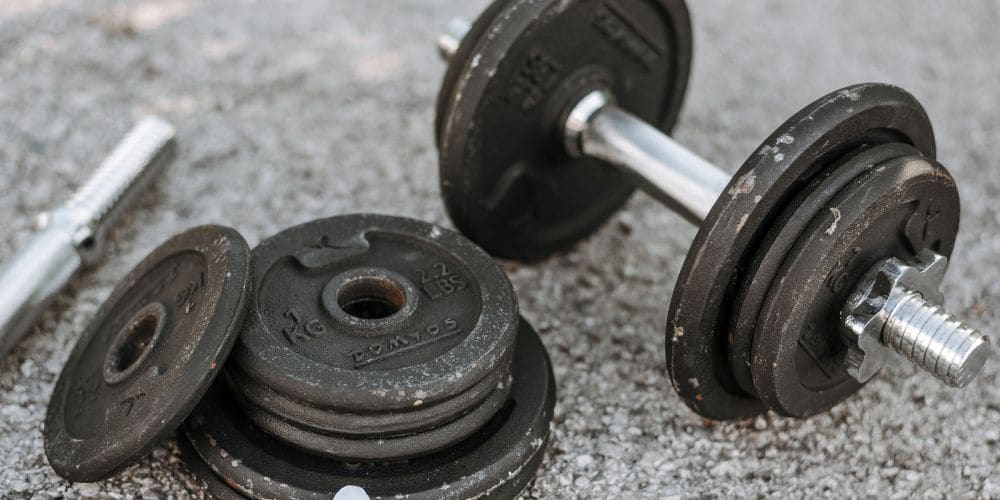
Black iron dumbbells on a paved ground, perfect for outdoor strength training and fitness routines.

Strength Training for Accountants and Finance Pros in Franklin, TN: Staying Strong Through Year-End Close

You know how the year goes. October feels manageable, then year-end close shows up, tax season lands right behind it, and the workouts you were proud of in September quietly disappear.

Strength training can survive those months if it’s set up for them. At LUX Fitness in Franklin, we keep it to short, one-on-one sessions by appointment, and your coach plans each one so you just have to show up.

Why Year-End Close Breaks Most Strength Training Routines

During close, your evenings aren’t really yours. A reconciliation won’t tie out, a client sends something right before you leave, and the hour you’d saved for training is gone.

For plenty of accountants, close rolls right into tax season, so the crunch lasts for months.

Most fitness plans are written for a normal week. If yours falls apart every winter, that’s a problem with how the plan was built.

The late hours make it worse. By the time the office clears out, a workout is just one more thing on a list that’s already too long.

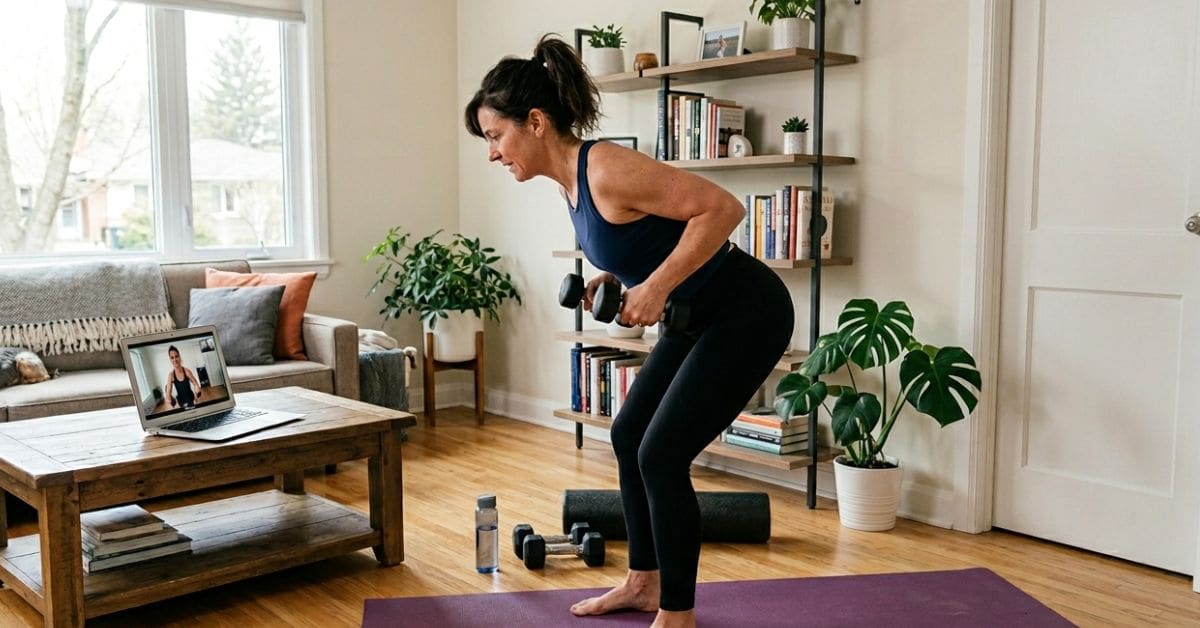
Adult client exercising at home with resistance bands, dumbbells, and a yoga mat in a clean living room

What Busy Season Does to an Accountant’s Body

Sitting at a desk all day mostly hits the muscles that keep you upright. Hips get tight, your upper back curls toward the monitor, and your legs hardly do anything until you head to the car.

Throw in short nights and dinner at the keyboard. By spring, plenty of people feel stiffer and more worn down than they did in the fall, and then they’re staring at a restart.

That’s not a personal failing. It’s what months of sitting and short sleep do to almost anybody, and steady strength work is one of the simplest ways to push back.

Why Pausing Strength Training Until After Tax Season Backfires

“I’ll get back to it in April” sounds reasonable. The trouble is that the strength you built over the summer fades, the habit fades with it, and April becomes square one.

Coming back is rougher than people expect. Those first few weeks feel stiff and slow, and it’s tempting to quit again before the routine sticks.

Trying to cram in long gym workouts doesn’t fix it either. If a workout means an hour, plus the drive, plus figuring out what to do, it’s the first thing you’ll cancel.

So the goal during close is modest. Keep one short session on the calendar and hold on to what you’ve got until things calm down.

How Strength Training for Accountants Works at LUX Fitness

Short, scheduled, and planned by someone else. That’s the whole approach, and at LUX Fitness sessions run around 30 minutes, by appointment, in a private studio.

Your coach has the session ready before you walk in. No wandering, no filler, and no making one more decision after a day full of them.

You’ll train on ARX machines, which match the resistance to the force you put out on each rep. On a tired evening you can still work hard without picking weights or loading plates.

And you don’t have to get in shape first. Your coach starts from wherever you are, even if that’s halfway through a long year.

Some weeks of close will still blow up. Our guide on staying consistent with strength training when work wrecks your schedule walks through how to keep going anyway.

Coach explaining personalized strength assessment results to new client

Measurable Progress for People Who Reconcile Numbers All Day

ARX tracks your force output on every rep, so your strength shows up as actual numbers. If you spend your day tying things out, you’ll probably like that.

Your coach lines up each session against the ones before it. If a heavy close costs you a little strength, the data shows it and your coach adjusts the plan.

It pays off in the spring too. You’ll know exactly where you stand, with no guessing about how much ground you lost.

Strength Training for Finance Pros in Franklin

Franklin’s finance crowd covers CPA firms, solo tax preparers, and corporate finance teams around Cool Springs. Different deadlines, but the same squeeze from year-end into spring.

Hardly any of them want to look like athletes. They want a back that doesn’t ache after a day at the desk, and they want to stay strong as they get older.

A lot of them also walk in with the same worry, that they’ll fall behind the second work gets busy. With a structured plan, a missed week during close is a small gap, and the work you’ve already done is still there.

Our strength training for busy schedules program in Franklin was built for stretches like this. Training bends around your calendar, so you don’t have to rearrange your work to fit it in.

Frequently Asked Questions About Strength Training for Accountants in Franklin

Should accountants stop strength training during busy season?

Most accountants are better off keeping a shorter session going than stopping altogether. A short, planned session holds on to your strength and your habit, so spring isn’t a restart.

If a week really has no room, skip it. Just get the next session on the calendar right away so the gap stays small.

Is it better to start strength training before or after tax season?

Starting before busy season is usually easier, since the first sessions are mostly about learning the movements and building the habit. Fall gives you that runway before close begins.

Already in the middle of close? You can still start, and your coach will set those first sessions around what you can handle that week.

Can I keep training when my hours change every week during close?

Yes, as long as you book each session ahead like a client meeting and plan around the deadlines you can see coming. LUX Fitness is appointment-only, so your training time is set before the week gets away from you.

If a deadline moves, tell your coach as soon as you know. A quick heads-up makes it a lot easier to find another time that week.

What should I tell my coach before busy season starts?

Tell your coach your close dates and filing deadlines as early as you know them. That way your coach can plan around your busiest stretch, and training bends with the season instead of stopping.

Mention any stiffness or aches that show up during long desk weeks, too. Your coach can work around them when building your sessions.

Book a Free Intro Session at LUX Fitness

Close and tax season will be back next year, same as always. A plan that fits inside them is the realistic goal.

If you’re an accountant or finance pro looking for strength training that respects your calendar, book a free intro session at LUX Fitness. We’ll walk you through the studio, talk through your goals and your busy season, and explain how training works, with no pressure and no surprises.

Woman practicing yoga in a calm studio environment, emphasizing flexibility and wellness.

Can Strength Training Improve Your Posture? What Franklin, TN Professionals Should Know

Years of desk work, driving and staring at screens pull most of us forward a little at a time. The shoulders round, your head drifts out front, and one day that’s just how you stand.

Strength training can help with that. At LUX Fitness in Franklin we build up the muscles that hold you upright, so standing tall stops taking so much effort.

How Strength Training Improves Posture

Your posture is mostly about the muscles holding you up when you aren’t paying attention. If your upper back, hips and trunk are strong, staying upright is cheap, and you end up there more often without trying.

Weak ones work the other way. Your body slumps into whatever costs it the least, and that usually means hanging on your joints.

You already know what good posture looks like, so you’re not learning anything new. You’re just making it easier to hold.

The Muscles That Do the Holding

It’s honestly a short list. The muscles between your shoulder blades pull your shoulders back, and your glutes and hamstrings keep your pelvis level.

Then you’ve got the long muscles that run up your spine. They’re the reason you’re not folded over your keyboard by the end of the day.

You don’t need fancy posture exercises for any of it. Rows, pulldowns and hip hinges cover most of the job.

At LUX Fitness those moves are already in your sessions. The ARX Omni has rows, pulldowns, deadlifts and Romanian deadlifts, and the Alpha adds torso extension for your back.

Man doing seated stretch in gym, emphasizing fitness and flexibility training.

Why Posture Reminders Rarely Stick

Sit up straight, shoulders back, chin in. You’ve heard it since middle school, right?

The thing is, a reminder lasts about as long as you’re thinking about it. Holding good posture for a whole workday takes strength, so that’s what we work on.

Band work and stretching aren’t useless. They feel nice when you’re stiff, but they don’t load your muscles enough to change much by themselves.

What Strength Training for Posture Looks Like at LUX Fitness

Posture usually comes up in the first goals chat, almost as an aside. Somebody says they want to stand up straighter or they hate how their shoulders look in pictures, and we build the plan with that in mind.

ARX stands for Adaptive Resistance Exercise. The machine matches however hard you push, the whole way through the movement, so on a row your upper back works through the entire pull instead of coasting through the easy half.

There’s no momentum to cheat with, either. Your coach can see your position on every rep and fix little things, like your shoulders creeping up, before they turn into habits.

And every rep gets measured, so you get a real number for your pulling strength. Watching that go up beats squinting at yourself in the bathroom mirror.

Breathing and how you stack your ribs matter here too, which is why we wrote up how to breathe when you lift. It all falls under the bigger approach at our wellness center in Franklin, along with recovery and joint-friendly training.

What Changes First as Your Posture Improves in Franklin

So what do you notice first? Usually it’s not the mirror. It’s that standing up straight at the end of the day doesn’t feel like a chore anymore, and your shoulders aren’t up around your ears after a long stretch of calls.

The look takes longer. Oddly enough, it’s often your spouse or somebody at the office who brings it up before you’ve noticed anything yourself.

Is it permanent? Not really. If you stop training, the strength goes and the slouch comes back with it, so we’d rather you have a routine you can keep than a tough one you drop by spring.

Standing Taller Changes More Than Photos

You’d be surprised how much your posture says before you open your mouth. A lot of our clients say they just feel better in their own skin once they’re stronger.

Nobody’s chasing a perfect spine here. They want to show up to a client meeting, or the pickup line at school, and feel like themselves.

Frequently Asked Questions About Strength Training for Posture

Can strength training fix rounded shoulders?

In a lot of cases it helps quite a bit. Rows and pulldowns build up the upper back, and that’s the part that pulls your shoulders back where they belong.

How far it goes depends on how consistent you are and how many years you’ve spent hunched over. If there’s a structural issue in your spine, though, that’s a question for your physician.

Is it too late to improve posture as an adult?

Nope. Your muscles still respond to training at 35 and they still respond at 65.

Older adults might build a little slower. They still get there.

Do posture correctors and braces work?

A brace can remind you to sit up, sure. But it’s holding you up so your muscles don’t have to, and most people find the effect wears off once they take it off.

Strength in your upper back and hips does the same job from the inside. You don’t have to remember to put it on.

Is training the upper back enough on its own?

It’s a good start, but your posture really starts at your feet. Your glutes and hamstrings keep your pelvis steady, and everything above it stacks on top of that.

That’s why we’d cover pushing, pulling and hips instead of just hammering one area. Your coach at LUX Fitness will set it up that way.

Building Better Posture With a Coach in Franklin

Better posture is mostly a side effect of getting stronger in the right places. You don’t need a separate posture routine, just a plan that trains what holds you up and a way to see it working.

If you’re exploring what that could look like, you’re welcome to book a free intro session at LUX Fitness. We’ll walk you through the studio, talk about your goals, and show you how a session works, with no pressure and no surprises.

This is general education, not medical advice. If you have pain, a diagnosed spinal condition, or a recent injury, check with your physician before starting something new.

Fit woman doing a dumbbell push-up in a gym, highlighting strength and fitness training.

How to Set Strength Goals You’ll Actually Keep: A Franklin, TN Guide

Most people set fitness goals with good intentions and drop them a few weeks later. That usually isn’t about caring less, since the goal just wasn’t built to last through a normal, busy week.

To set strength goals that stick, make them about things you control, make them easy to measure, and keep them small enough to protect when work and family get loud. That’s how we set goals with members at LUX Fitness in Franklin.

Why Most Strength Goals Fall Apart

Most fitness goals fail because they’re vague, too big, or all about the end result. “Get stronger” doesn’t tell you what to do on a Tuesday, and a big result way off in the future is really easy to put off.

They also tend to ignore real life. A goal that assumes perfect weeks gets dropped at the first business trip, or the first kid who brings home a cold.

That’s not a character flaw. It’s a goal-design problem, and you can fix those.

Process Goals vs. Outcome Goals for Strength Training

An outcome goal is the result you’re after, like a stronger back. A process goal is what you do to get there, like keeping the session that’s already on your calendar.

Outcomes point you somewhere. Process goals give you something to actually do this week.

The goals people keep usually pair one of each. The outcome is your reason, and the process is the box you get to check.

Say you want to carry your kids up the stairs without thinking about it. That’s the outcome, and “keep every session on the calendar this month” is the process.

Active adult performing a glute bridge exercise in a private fitness studio

How to Make Strength Training Goals Measurable

If you can’t measure it, it’s really just a feeling, and feelings change with your mood. On a rough day you’ll swear you’re getting nowhere, even when you’re not.

Strength happens to be one of the easier things to measure if you’ve got the right tools. At LUX Fitness every rep on ARX records your force output, so you can see your strength change in actual numbers.

That’s what turns a fuzzy goal into a real one. “Get stronger” turns into something like “beat last month’s best on the chest press.”

Picking a Goal Small Enough to Protect

Here’s a good test: could you still hit this goal during your worst realistic week? If it only works when everything goes right, it probably won’t make it to spring.

That’s why “show up” makes such a good first goal. It’s totally in your hands, and every other result depends on it anyway.

How LUX Fitness Turns Goals Into a Plan

At LUX Fitness, goals are usually the first thing we talk about, before you ever sit down on a machine. Some people want to get stronger, some want to move more comfortably, and some just want a routine that finally sticks.

Your coach turns that into a plan. ARX (Adaptive Resistance Exercise) adjusts its resistance to the force you produce, so each session meets you where you are right now, not where a template thinks you should be.

We look at your numbers as you go, and the plan changes when they do. If a goal turns out too easy or too ambitious, we adjust it instead of tossing it.

Curious how that starting point gets set? Our article on your first strength assessment walks through it.

Coach conducting personalized strength assessment inside private fitness studio

Goals That Fit Life in Franklin

The goals that last tie into something you care about outside the studio. For a lot of the people we train in Franklin, that’s keeping up with the kids, playing a sport they love, or getting through a travel week without feeling wiped out.

Goals like that stay meaningful way longer than a number on a scale. The fitness center in Franklin at LUX Fitness is built around exactly that kind of practical, everyday strength.

Frequently Asked Questions About Setting Strength Goals

How many fitness goals should you set at once?

One or two is plenty. Once you’ve got four or five going you stop paying attention to any of them, and they all slide.

We like one outcome goal and one process goal to start. When the first one’s on autopilot, add another.

Should strength goals be about weight or about strength?

Strength, most of the time, because it moves when you train and you can see it move. Your weight goes up and down for a dozen reasons that have nothing to do with the work you put in.

Care about the scale? That’s fine, just let it sit in the background. Track your strength and whether you showed up.

What should you do when you miss a goal?

Don’t beat yourself up over it. Ask whether it made sense for the week you really had, and change it if it didn’t.

Usually a missed goal was too big, or it needed everything to go right. Shrink it to something you can hit and you’ll get rolling again quickly.

How do you stay motivated when progress slows?

It happens to everyone. This is where having your numbers saved really pays off, because you can see small wins the mirror won’t show you.

Your coach is watching too. They’ll usually catch it when the plan needs a change before you get bored with it.

Turning Your Strength Goals Into a Plan in Franklin

Keep your goals small, make them measurable, and build them for real weeks. Do that and you won’t need to rely on motivation nearly as much.

Want some help turning your goals into a plan? You’re welcome to book a free intro session at LUX Fitness. We’ll walk you through the studio and talk through what you want from training, with no pressure and no surprises.