Category : Physical Fitness

Adult client exercising at home with resistance bands, dumbbells, and a yoga mat in a clean living room

How to Start Strength Training When You’ve Never Lifted a Weight

Maybe you’ve told yourself you’ll begin once you get in a little better shape first. If that sounds exactly like you, you’re not behind, and you’re definitely not alone.

Most people who show up for their first strength training session have never touched a barbell in their life. The good news is that learning how to start is far simpler and far less intimidating than the internet makes it look.

This guide walks through what those first workouts actually involve, what the early weeks feel like, and how a private studio removes the parts that usually scare people off. By the end, you’ll have a clear, honest picture of what those first sessions look like, without the guesswork or the gym-floor anxiety that usually keeps people stuck on “someday.”

How to Start Strength Training From Scratch

At its core, strength training means asking your muscles to work against resistance so they adapt and get stronger. That resistance can come from a machine, a dumbbell, or even your own bodyweight.

When you’re brand new, you don’t need a complicated program or dozens of exercises. A well-built routine covers a few foundational movement patterns: pushing, pulling, squatting, and hinging.

Those patterns train every major muscle group without overwhelming you. Done well, just one focused session a week is enough to build real strength early on.

The goal in your first weeks is not to lift heavy. It’s to learn how each movement feels, groove clean technique, and build the confidence that keeps you coming back.

Client reviewing strength progress metrics with a personal trainer inside a private fitness studio

Why Your First Workouts Are Easier in a Private Setting

The hardest part of beginning is rarely the workout itself. It’s the fear of doing something wrong in front of a room full of people who look like they already know what they’re doing.

A private studio takes that pressure off the table. There’s no crowded floor, no waiting for equipment, and no audience watching you learn.

That privacy isn’t just about comfort. It also means every minute of your session goes toward your training instead of waiting your turn.

Instead, a coach guides every rep and adjusts your form in real time, often using ARX, adaptive resistance equipment that adjusts to exactly how much force you’re applying as you move. That kind of attention is how good habits get built before bad ones ever have a chance to.

For someone just getting going, this setting also makes each session efficient. You spend your time training with intention rather than wandering between machines wondering what to do next.

That efficiency matters most for people balancing training with work and family, since a session with no wasted time is easier to keep showing up for. If you are wondering whether a short session is enough, here is whether a 30-minute strength workout is enough.

What to Expect in Your First Few Weeks

Your first session usually starts with a conversation, not a workout. A coach learns your history, any aches or past injuries, and what you want strength to help you do.

From there, you’ll move through a small set of exercises at a comfortable effort level. The early sessions are about mastering the motion, not testing your limits. If you usually stretch first, here is whether you need to stretch before lifting.

Over the following weeks, the resistance climbs gradually as your body adapts. This slow, deliberate progression is what keeps training safe and sustainable rather than punishing. Feeling a little sore along the way is normal, and here is what soreness after strength training means.

Many new lifters notice everyday tasks feeling easier within the first month. Carrying groceries, climbing stairs, and getting up off the floor start to take less out of you. Here is a fuller look at how long it takes to see results from strength training.

Those small wins tend to compound, building the kind of everyday strength and independence that pays off for decades, not just for a season. And if progress ever stalls, here is how to break through a strength training plateau.

Small Habits That Make Your First Month Easier

A few simple habits make the difference between a first month that sticks and one that fizzles out. None of them require overhauling your life.

Getting enough sleep matters more than people expect. Your body does most of its adapting and repairing overnight, so consistent rest supports the progress you’re making in the studio. Here is more on how sleep affects muscle recovery.

Staying hydrated and eating enough protein throughout the day also helps your muscles recover between sessions. You don’t need a strict diet plan, just consistent attention to the basics.

Scheduling your sessions like any other commitment on your calendar removes the guesswork of “finding time.” Treating strength training as a fixed appointment, rather than something you’ll get to if the week allows, is often what separates people who stick with it from those who don’t.

None of this needs to be perfect. Showing up consistently, even on the weeks when life is busy, matters far more than any single “ideal” habit.

A coach can help you build these habits into a routine that actually fits your week, rather than one more thing competing for your time.

The Fears That Keep New Lifters From Starting (and Why They Fade)

“I’m too out of shape to start” is the most common thing coaches hear. In reality, being new is exactly the point of beginner-friendly training.

Others worry they’ll get hurt. With proper coaching and gradual loading, lifting is one of the safest ways to move your body, and it tends to make you more resilient over time.

There’s also the fear of looking foolish. In a private studio, that concern disappears quickly because the only person in the room with you is there to help.

The truth is that confidence isn’t a prerequisite for starting. It’s a byproduct of showing up, and it grows faster than most people expect.

A Note From Coach Ben Cluff at LUX Fitness

“Almost every new lifter I meet apologizes for their fitness level before we even begin,” says Ben Cluff of LUX Fitness in Franklin. “I always tell them the same thing: your starting point is just information, not a verdict.”

“What I see over and over is that the people who feel the most intimidated on day one often become the most consistent,” he adds. “Once the guesswork and the crowd are gone, training stops feeling like something to dread and starts feeling like something you look forward to.”

Frequently Asked Questions

How do I start strength training if I've never lifted before?

Start with a few foundational movement patterns: pushing, pulling, squatting, and hinging, at a light, comfortable effort, ideally under a coach who can guide your form. Focus your first weeks on learning the movements well rather than lifting heavy, then add resistance gradually as your body adapts.

How often should a beginner strength train?

One focused session per week is plenty when you’re just starting out. That single session gives your muscles enough stimulus to grow stronger, while the rest of the week lets your body recover and adapt, which is when the real strength-building happens.

Do I need to already be fit before I start?

No. Beginner-friendly training is designed for people starting from zero. A good coach meets you at your current level and scales every exercise to match it, so fitness is the result of training, not a requirement to begin.

Will starting strength training make me sore all the time?

Some mild soreness is normal in the early weeks as your body adapts, but it should never be severe. A properly paced program builds up gradually, so you feel worked rather than wrecked after each session.

How long until I see results?

Most new lifters feel everyday movements getting easier within three to four weeks, and visible changes tend to follow over the next couple of months. Strength gains often show up first as increased energy and improved daily functioning.

Ready to Take the First Step?

Learning how to start strength training doesn’t require a perfect body, a lifetime of gym experience, or a burst of motivation you’re waiting to feel. It just requires a first session and a coach who meets you where you are.

If you’re ready to begin, our strength training for beginners in Franklin program walks you through it step by step, and you can keep reading about whether strength training makes women bulky if that’s a question on your mind.
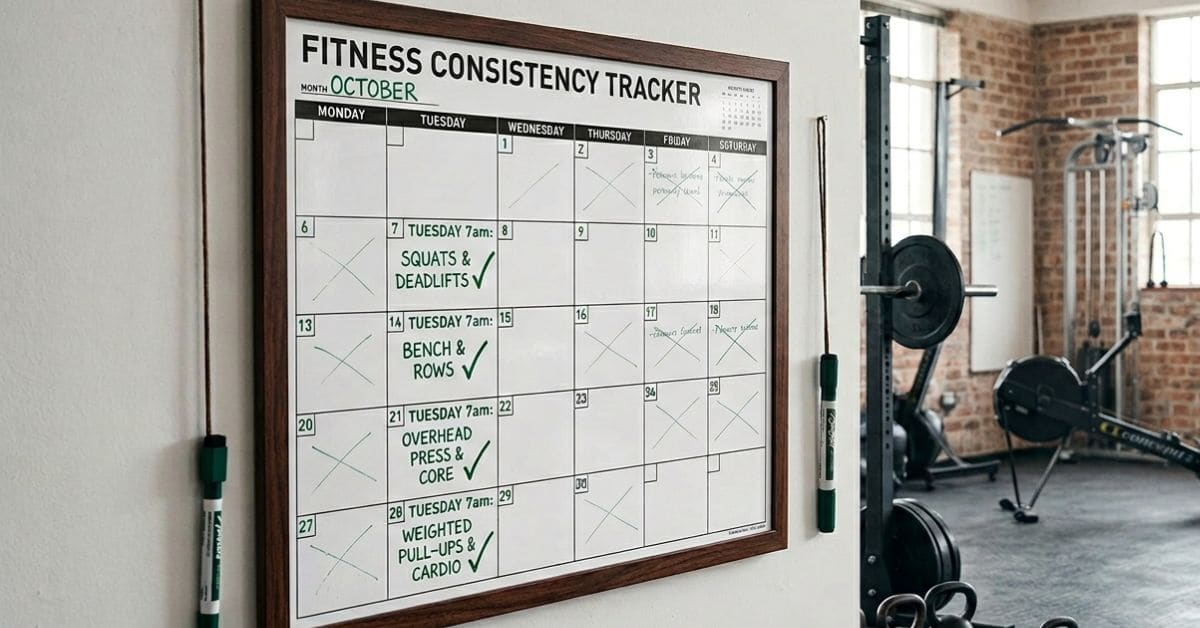

Calendar showing a single weekly fitness appointment successfully maintained

How to Stay Consistent With Strength Training When Work and Travel Wreck Your Schedule

Most people don’t struggle with the idea of getting a personal trainer. They struggle with figuring out which one is actually right.

You open a few websites and everything starts to blur together. Same language. Same promises. Same photos of someone mid-squat looking like they’ve got life figured out. Everyone says they offer “custom training” and “real results,” but nothing clearly explains what makes one place different from the next.

So the decision drags on longer than it should.

If you’re in Franklin, TN trying to get stronger, lose weight, or finally build consistency that lasts longer than a few weeks, here’s the reality: the right trainer isn’t just about credentials. It’s about fit, structure, and whether the system actually works for your life.

Below is a simple way to sort through it without overthinking it.

Why It's Hard to Stay Consistent With Strength Training

Most fitness plans quietly assume your calendar behaves.

It doesn’t.

One busy work stretch shows up and suddenly everything shifts. Travel hits and the routine disappears. Then it’s easy to think you’ve “fallen off,” even when nothing is really wrong, you just stepped out of a system that couldn’t flex.

There’s also the intensity trap.

A lot of routines are built like all-or-nothing plans. Four or five days a week. High effort. High expectations. And when you miss a week, it doesn’t feel like a small gap. It feels like you failed. So people restart. Over and over.

That restart cycle is what kills progress.

Real consistency comes from something more forgiving. A plan that bends when life gets loud, instead of snapping the moment it does.

Personal trainer and client reviewing workout performance metrics on a tablet screen after a training session

The Easiest Way to Stay Consistent With Strength Training

If there’s one shift that changes everything, it’s this: shrink the commitment.

Not because you’re doing less. Because you’re doing what you can actually sustain.

One well-built session per week beats a perfect four-day plan you only manage for two weeks at a time. Every time.

A smaller commitment is easier to protect. Easier to reschedule when needed. Easier to keep alive when work gets chaotic or travel hits back-to-back.

And here’s the part people miss, it’s not “less serious.” It’s smarter. It keeps the habit intact through the messy weeks, which is exactly what most programs fail to do.

Once that one session becomes automatic, you’re no longer forcing consistency. You’re just building on it.

Treat Your Session Like a Standing Appointment

Motivation is unreliable. Always has been.

People who stay consistent don’t rely on it. They don’t “see how they feel” each week. They pick a time, put it on the calendar, and treat it like it matters.

Because it does.

Same day. Same time. Every week. No debating it. No daily negotiation in your head about whether today is the day.

That removes a surprising amount of friction. Decision fatigue is real, especially when your work life is already full of choices. If training requires another decision every week, it eventually loses.

This is why structure matters so much in a private, appointment-based setting. The time is already reserved. Someone is expecting you. It’s not optional in your mind anymore, it’s scheduled.

That alone keeps people consistent longer than most motivation strategies ever will.

Adult client exercising at home with resistance bands, dumbbells, and a yoga mat in a clean living room

How to Stay Consistent With Strength Training During Travel Weeks

Travel isn’t the problem.

The absence of a plan is.

Most people treat travel like a full stop. No training, no movement, nothing. Then returning feels heavier than it should. Not just physically, but mentally too.

It doesn’t have to be that way.

You don’t need a full workout when you’re on the road. You just need something simple enough to keep the thread alive. A short bodyweight circuit. A quick hotel gym session. Even 15 to 20 minutes is enough.

It’s not about performance. It’s about continuity.

Because when you maintain even a small version of the habit, you don’t “start over” when you get back. You just slide back into rhythm. That’s the difference between losing momentum and protecting it.

How Structure Helps You Stay Consistent With Strength Training

Willpower works, until it doesn’t.

Usually that happens during the exact weeks you need it most. Heavy workload. Travel. Family demands. Stress stacked on stress.

Structure doesn’t depend on how you feel. It already made the decisions for you.

That’s where coaching changes the game.

At LUX Fitness, the structure is built into the process. Your sessions are scheduled. Your training is mapped out. Your progress is tracked. And you’re not walking in wondering what you should do that day. It’s the backbone of our strength training for busy schedules in Franklin.

You just show up and execute.

No guesswork. No scrambling for motivation. No reinventing the plan every time life shifts.

When the path is clear, consistency stops being a fight. That’s the same thinking behind our weight loss coaching in a private studio.

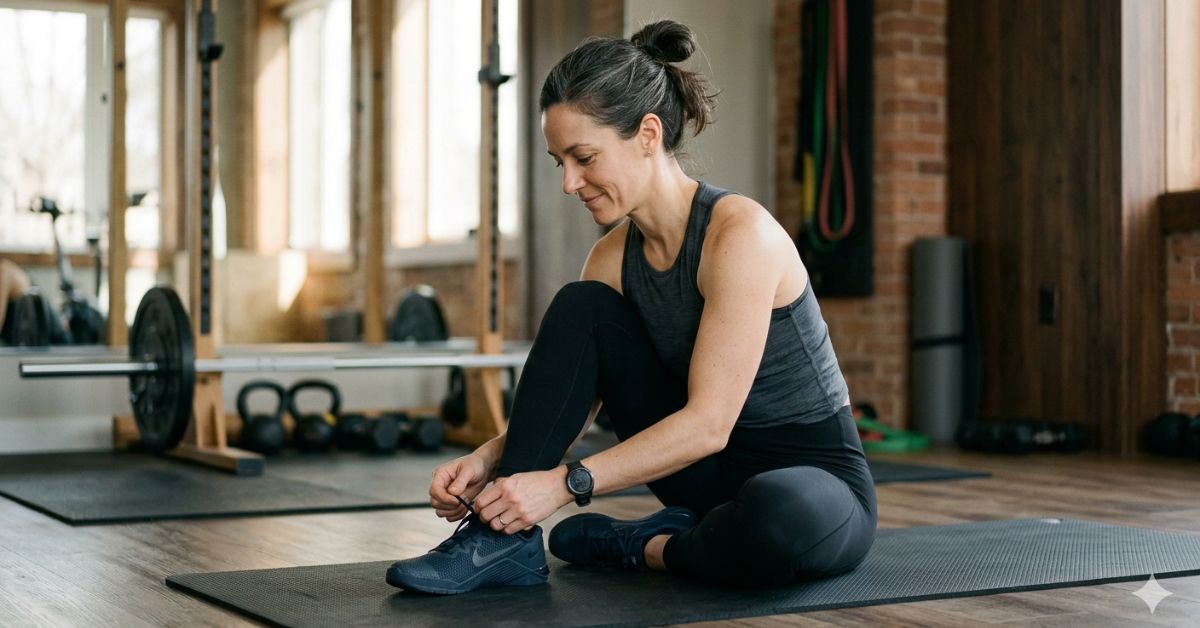
A 40-year-old woman tying her training shoes in a private gym studio before starting a session.

Progress You Can See Keeps You Going

Consistency gets easier when you can actually see what it’s doing.

Because some weeks don’t feel like progress. You’re tired. Busy. Traveling. Life is loud. The mirror doesn’t change much from Monday to Monday.

But tracked strength does.

When every session is recorded, you see the slow climb. More weight. Better control. Cleaner reps. Even when everything else feels flat, the data tells a different story.

That feedback matters more than people realize. It turns effort into evidence. And evidence is what keeps you showing up when motivation is low.

Staying Consistent With Strength Training in Franklin, TN

Most busy professionals in Franklin aren’t struggling because they don’t care.

They’re struggling because their routine doesn’t fit their life.

LUX Fitness was built around that reality. Private strength training, scheduled sessions, and focused coaching that respects your time instead of competing with it.

No wandering. No guessing. No overcomplicated plans that fall apart the second your calendar gets full.

Just structured training that stays consistent even when life isn’t. For professionals across Franklin and the greater Nashville area, the goal usually isn’t more effort. It’s a system that actually holds up week after week.

Frequently Asked Questions

How long does it take to build a consistent strength training habit?

Most people need about two to three months before training starts to feel automatic. The key during that time is keeping a steady weekly appointment, even when life gets busy, so the habit has time to lock in.

What should I do when I genuinely have no time in a given week?

Do a shortened version instead of skipping. A quick bodyweight session or brief workout keeps the routine alive. It doesn’t need to be perfect, it just needs to happen.

Is it better to train hard occasionally or lightly but consistently?

Consistency wins. Hands down. Regular training over time builds far better results than sporadic intense efforts followed by long gaps.

How do I get back on track after falling off for a few weeks?

Start simple. One easy, scheduled session. Don’t try to “make up” for lost time. Just rebuild momentum with something manageable.

Does working with a coach actually improve consistency?

Yes. A coach removes the daily decision-making and adds accountability. That combination is one of the biggest drivers of long-term consistency in strength training.

Build a Consistent Strength Routine at LUX Fitness in Franklin, TN

Staying consistent isn’t about being perfect or endlessly motivated. It’s about building a system that still works when your schedule doesn’t. When the structure fits your real life, consistency stops being something you chase, and starts being something that just happens. If you want help building a routine around your life, our personal trainer in Franklin, TN page is a good place to start. Related reading: Strength Training for Seniors.

Active adult performing a glute bridge exercise in a private fitness studio

Joint-Friendly Strength Training: What’s Actually Safe If You Have Knee, Hip, or Back Pain

Achy knees when you take the stairs. Hips that feel stiff after you’ve been sitting too long. A back that tightens up the moment you bend down like it’s warning you not to.

Most people don’t even call that “pain” at first. It just becomes normal. Then training slowly gets pushed aside because it feels like the risk outweighs the reward.

We hear that a lot at LUX Fitness in Franklin, TN. And the funny thing is, once people start moving the right way again, slower, more controlled, less guesswork, the body usually responds better than expected.

Not instantly. But steadily.

So let’s break down what actually makes sense when your joints are the thing holding you back.

Can You Strength Train With Knee, Hip, or Back Pain?

Yes. In most cases, you can. And more than that, it’s often one of the best things you can do.

When the muscles around a joint get stronger, they start sharing the load. That means less pressure going through the irritated spot and more support coming from the surrounding system.

It’s not a fringe idea either. Mayo Clinic and Harvard Health both consistently point to regular strength training, a few days per week, as part of managing arthritis and ongoing joint discomfort.

So it’s rarely about “should I train or not.” It’s more like, how do we make this safe enough and smart enough that your body actually tolerates it?

Heavy, rushed, ego-driven workouts usually don’t help here. But controlled strength work, done in ranges you can actually own, tends to go a long way.

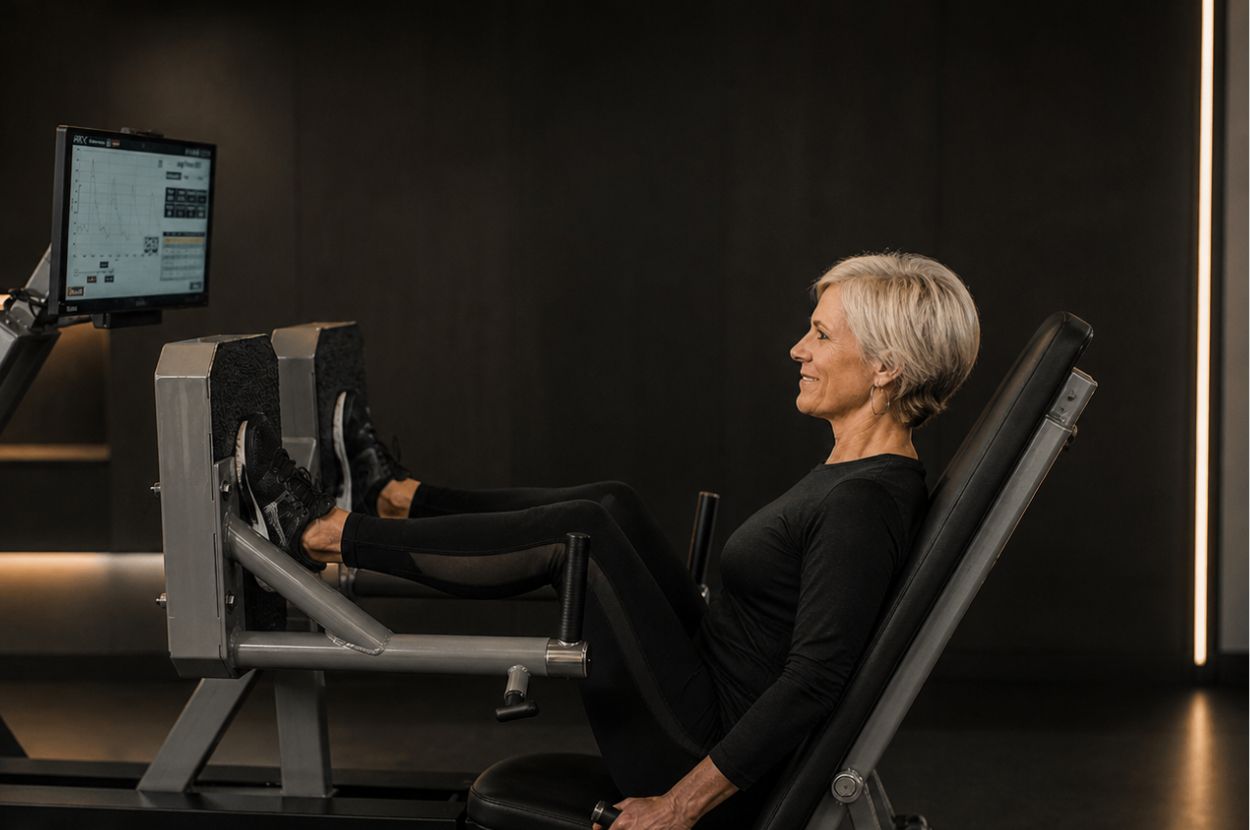
Older adult training on ARX equipment at LUX Fitness in Franklin, TN

What Makes Joint-Friendly Exercises Truly Safe?

A joint-friendly exercise isn’t about being easy. It’s about being controlled. You’re trying to load the muscle without irritating the joint. That’s the whole game.

So the pace slows down. A lot. No bouncing. No throwing weights around. No forcing a range just because a program says so.

Two things matter most: low impact and a range you can control without flaring anything up.

Most people start simple. Bodyweight first. Bands. Machines. Then progress later when things feel stable, not before.

And pain has to be taken seriously, but not fearfully. Muscle effort is fine. A bit of soreness is normal. Sharp, pinchy, or escalating joint pain? That’s your cue to back off or adjust. Not push through.

Joint-Friendly Exercises for Knee Pain

Knees are usually the first place people feel “old,” even if the real issue is elsewhere. Often it’s not the knee itself, it’s what’s happening above and below it. Quads not firing well. Glutes not pulling their weight. Hamstrings underused.

So we train the support system. A controlled leg press through a comfortable range can be a great starting point. Same with a slow sit-to-stand pattern. Nothing deep. Nothing forced. Just clean reps you can actually control.

Isometrics help too. You tighten the muscle without moving the joint much. It sounds simple, but it can be a useful way to build strength when things are irritated.

And for some light conditioning, cycling tends to be a solid option. Smooth motion. Low impact. No pounding. The goal isn’t to “test” the knee. It’s to rebuild confidence in it.

Joint-Friendly Exercises for Hip Pain

Hip pain has a way of showing up quietly. After sitting. After walking. After doing “not much,” sometimes. A lot of that comes down to the glutes not doing enough of the stabilizing work they’re supposed to do.

So we go back to basics. Glute bridges. Clamshells. Controlled hip abduction work. Nothing flashy. Just steady movement with good control.

You’ll usually feel these more in the muscles than the joint itself, which is exactly what we want early on. Gentle hip flexor mobility can also help things loosen up over time, especially if sitting is part of your daily routine.

And again, the rule stays the same: if something creates a sharp pinch in the joint, we don’t force it. We change it. Simple as that.

Joint-Friendly Exercises for Back Pain

Back pain tends to change how you do everything. You move more carefully. You brace before you bend. You hesitate without thinking about it.

So the goal shifts away from “strengthen the back” and more toward “teach the core to actually protect the spine.”

Bird dogs. Dead bugs. Glute bridges. These are simple movements, but they teach control in a way that carries into real life, especially when you bend, lift, or twist.

One of the biggest wins here is learning to hinge at the hips without rounding your lower back. Once that pattern clicks, a lot of everyday strain starts to disappear. Until then, lighter loads and strict form matter more than intensity. No rush. Just repetition done well.

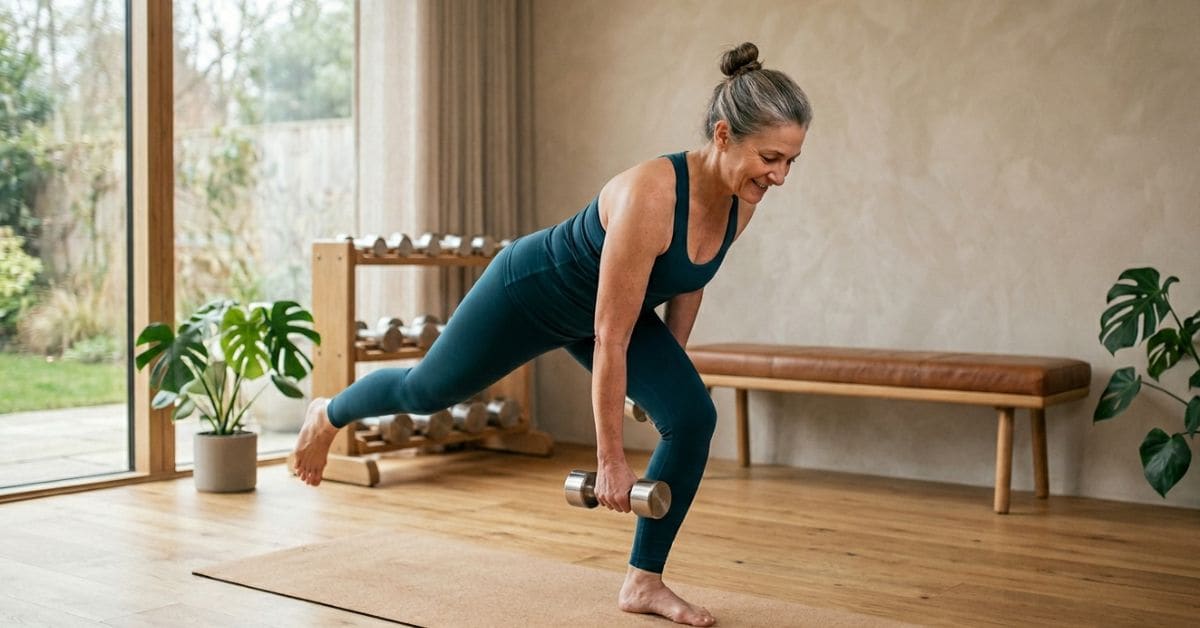
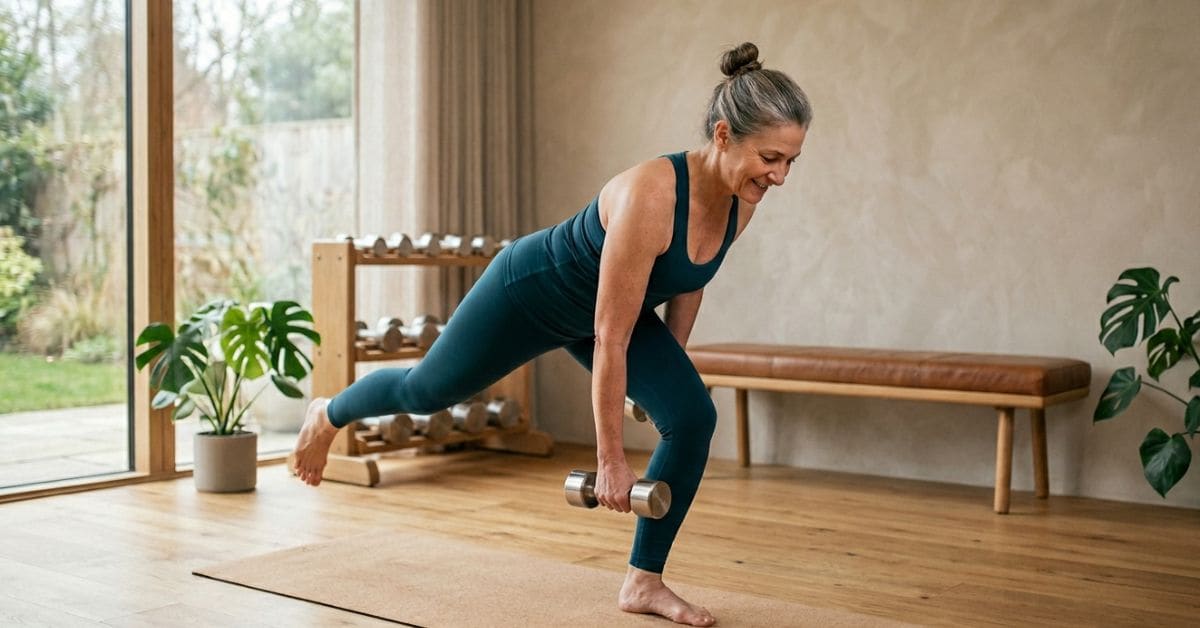
Middle-aged woman doing a slow controlled resistance exercise

Why Adaptive Resistance Is Especially Joint-Friendly

One of the tricky parts of training with pain is unpredictability. A rep feels fine, until it doesn’t. That’s where adaptive resistance helps clean things up.

At LUX Fitness, ARX machines adjust resistance in real time based on your effort. Push harder, it responds. Slow down, it eases off. Stop, and the load drops immediately.

So there’s no momentum pulling you into a bad position. No surprise spikes in weight. No fighting something your body isn’t ready for that day. It keeps the work inside the muscle where it belongs, without punishing the joint.

For a lot of people dealing with knee, hip, or back issues, that consistency makes training feel doable again. Curious how it actually works? Our ARX training sessions in Franklin, TN page breaks it down, and our joint-friendly strength training page shows how we build pain-aware programs. Training past 40? These ideas slot right in with our guide to personal training over 40.

When to Check With a Professional First

This is general education, not medical advice.

If your pain is severe, new, the result of an injury, or tied to a diagnosed medical condition, it’s important to speak with a doctor or physical therapist before starting anything new. They can help you figure out what’s appropriate for your situation.

At LUX Fitness, sessions are one-on-one, which means we can adjust things in real time, range, resistance, exercise choice, based on how your body actually feels that day.

How to Find a Personal Trainer in Franklin

Is it safe to strength train with arthritis?

For most people, yes. In many cases it’s encouraged. Strength training can help support joints affected by arthritis and improve how they function over time. Start light, keep things controlled, and always get medical clearance if your condition is new or more advanced.

What exercises should I avoid with knee or back pain?

Usually anything that causes sharp pain, relies heavily on momentum, or puts you in deep loaded positions before you’re ready. That might include deep squats for some knees or loaded twisting and bending for some backs. There are usually safer swaps for the same muscle groups.

How often should I strength train if I have joint pain?

Two times per week is a solid place to start. It lines up with what groups like Mayo Clinic commonly recommend. It gives your body time to recover while still building consistency.

Is ARX a good option if I have joint pain?

For many people, yes. Because resistance adapts to your effort in real time, it stays smooth and controlled without sudden strain. Still, it’s smart to check with your doctor first and then work with your coach to tailor it properly.

Train Stronger With Joint Pain at LUX Fitness

Joint pain doesn’t automatically mean you stop training. It usually just means you need a different approach. Slower. More controlled. More intentional. At LUX Fitness in Franklin, TN, that’s how we build training for people dealing with pain or stiffness every day. If you want to see what that looks like in real life, book a free intro session. We’ll keep it simple and meet you where you’re at. We also provide a guide on strength training for fat loss to help you use workouts effectively for weight management