Category : Personal Trainer

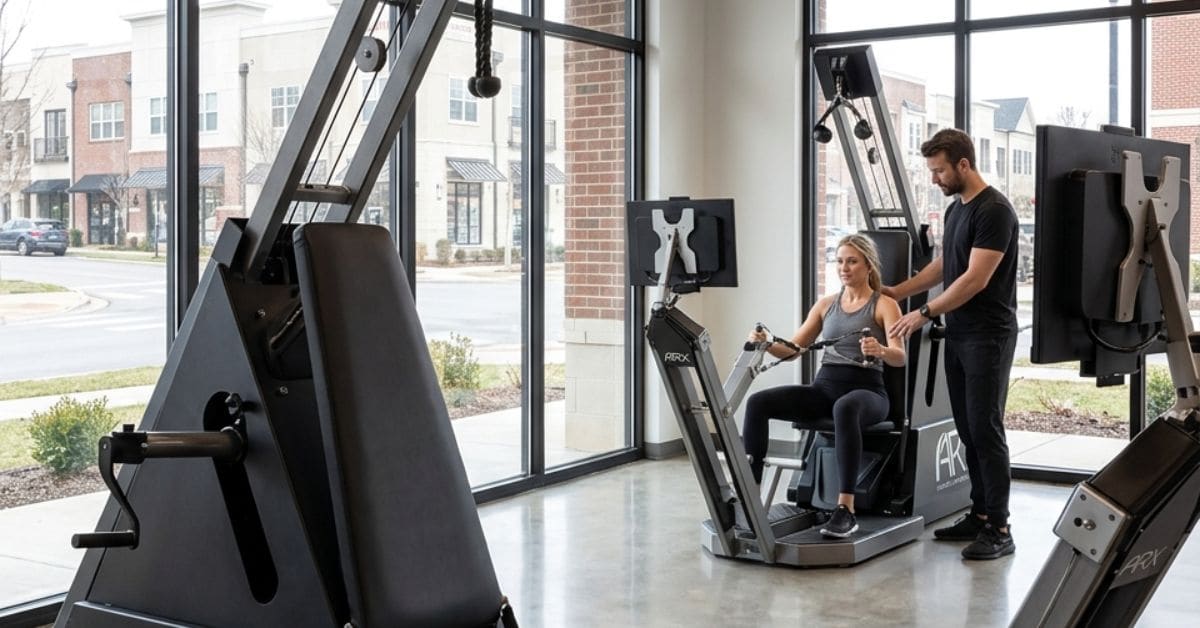
Busy professional fitting a personal training session into a morning schedule in Franklin, TN

How to Fit Personal Training Into a Busy Week in Franklin, TN

It is 6:40 on a Tuesday morning. The coffee is still brewing, two emails have already landed, and someone in the house needs a form signed before the bus comes.

By 7:20, you are in the car. By 8:15 you are in a meeting that will almost certainly run long.

You are not disorganized. Your week is simply full, and it has been full for a long time.

So when training comes up, the real question is rarely whether it matters. The question is where, exactly, it would go.

That is a calendar problem before it is a fitness problem. Here is how a session actually fits into the week of a working professional in Franklin.

Where Does Personal Training Fit in a Busy Schedule?

Personal training fits in the parts of the day you already control, which for most busy professionals means the hour before work, a midday window, or the gap between leaving the office and dinner.

Those three windows are worth naming because they behave differently. Early morning is the most protected slot in the day, since almost nothing else competes for it yet.

Midday is flexible but fragile, because meetings expand into it. Early evening is convenient, but it shares space with family logistics.

Sessions at LUX are appointment-based and run roughly 30 minutes, which is what makes any of these three windows realistic in the first place. A short, scheduled block is far easier to place than an open-ended visit with no defined end time.
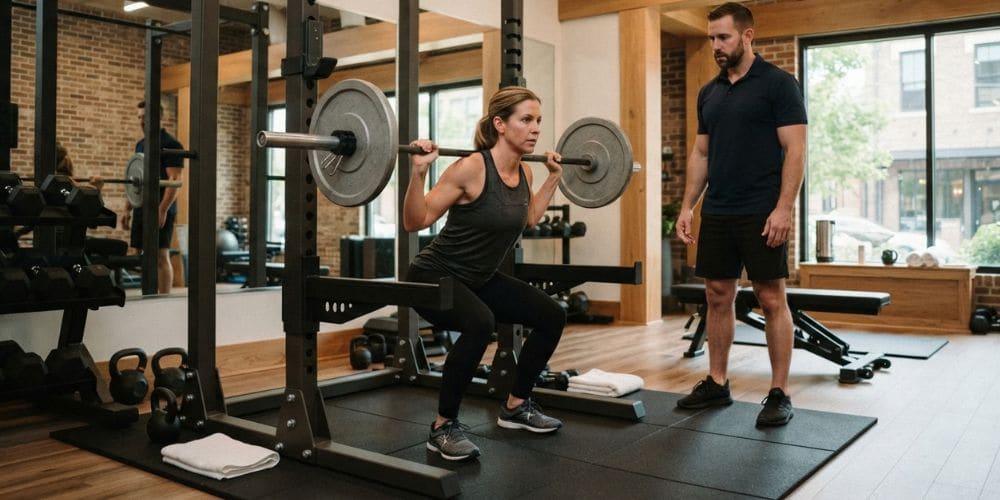
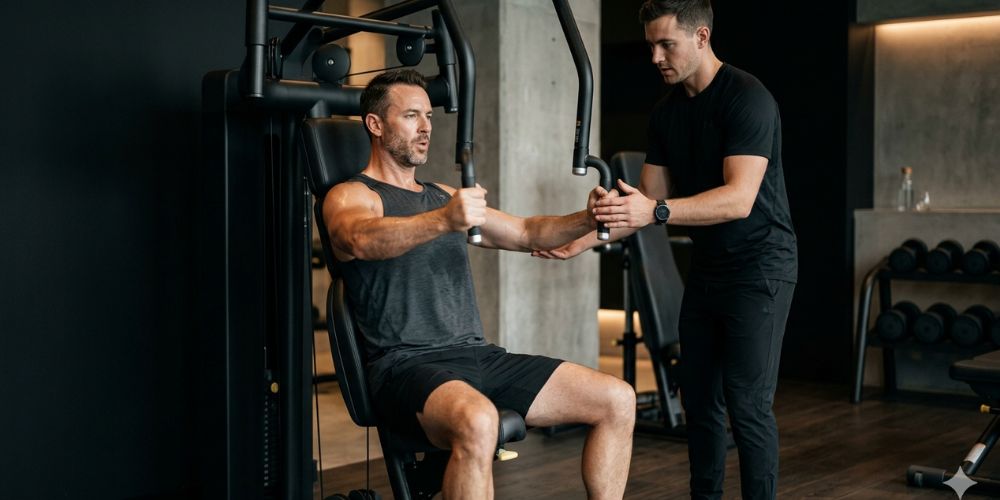
Client is performing a controlled strength exercise while a professional trainer provides coaching nearby.

Anchor Your Session to One Fixed Slot

The most reliable calendar move is to place your session in the same slot each week and leave it there permanently, rather than scheduling it fresh every Sunday night.

A recurring slot changes what the rest of your week has to negotiate with. Meetings, calls, and errands get scheduled around a block that already exists instead of on top of an empty one.

It also removes a decision. You are not comparing Tuesday at 7:00 against Thursday at noon every week, because that question was settled once.

Your coach will help you settle how many slots to hold. What matters most is that each one sits in the same place on the calendar every week.

How Do You Train Around a Commute?

Put the session at one end of the commute rather than in the middle of it, because a session sandwiched between two drives is the first thing to get cut when traffic runs late.

Plenty of Franklin professionals commute into Nashville, and that drive is unpredictable enough that a midday slot rarely survives contact with a real week. The better placement is before the drive out or after the drive back.

The before-work version tends to be the sturdier of the two. Nothing has gone wrong yet at 6:30 in the morning, and the session is finished before the day has a chance to reroute it.

The after-work version works well when your slot is close to home rather than close to the office. A short, private session at a private strength studio in Franklin keeps you on your own side of the drive, which is a small logistical detail that quietly decides whether you keep showing up.

Fitting Training Around School Runs and Family Logistics

The cleanest placement for parents is inside a window that is already blocked for something else, so the session borrows time that was never going to be productive anyway.

Drop-off and pickup create natural edges in the day. The stretch right after morning drop-off is one of the most usable blocks a parent has, and it rarely gets claimed by anything else.

Practices and lessons create the same effect in the afternoon. A 30-minute appointment fits comfortably inside an hour you were already going to spend waiting.

The point is not to find new time. It is to look at the time already committed and notice which pieces of it are functionally empty.

What Happens During Travel Weeks?

On a travel week, you move the session rather than cancel it, and you book the replacement slot before you leave rather than after you get back.

Travel is predictable in a way that most disruptions are not. You usually know a week or two out, which is enough lead time to shift a Wednesday slot to a Monday.

If the trip covers the whole week, the useful move is to book the following week before you go. That way the calendar already has a slot waiting when you land.

Some weeks genuinely will not hold a session. That is a normal outcome, and it matters far less than what happens to the week after it.

What to Do When the Week Falls Apart

When a week collapses, you rebook the next available slot instead of restarting the whole plan, because a calendar recovers much faster than most people expect.

A missed session is a scheduling event, not a verdict. The practical response is to open the calendar, find the next open time, and put the session there.

This is easier when sessions are appointment-based, since there is a specific time to move rather than a vague intention to get back in. You are rescheduling one 30-minute block, not rebuilding anything.

If you want a clearer picture of how the schedule tends to settle early on, it helps to read through what the first thirty days with a personal trainer usually look like. Results depend on consistency, effort, and recovery, and that first month is mostly about finding the slot that holds.

Frequently Asked Questions

How far in advance should I book my sessions?

Book two to three weeks out. That horizon is long enough to protect your slot from incoming meetings and travel, but short enough that you can still see your real commitments. Booking further ahead is fine when your calendar is already visible that far out.

Can I change my standing time slot if my work schedule shifts?

Yes. A standing slot is meant to reflect your actual week, so when your work pattern changes seasonally or permanently, the slot should move with it. The thing worth avoiding is drifting week to week without ever settling on a new fixed time.

How long before a session should I eat?

Eat lightly beforehand rather than arriving on a full stomach. A small meal or snack an hour or two ahead suits most people, and sessions are short enough that no elaborate pre-workout routine is needed. If you tend to feel sluggish or light-headed either way, mention it to your coach so the timing can be adjusted.

Do I need to build in extra time for parking and changing?

Plan a small buffer on either side, though less than a large gym usually requires. A private studio has no waiting for equipment and no crowded floor to navigate, so the appointment itself is close to the total time you need to block off.

What if my calendar genuinely changes every single week?

Then anchor to a day rather than a time. Pick the weekday that is most consistently manageable, and book that day’s available slot as soon as the week takes shape. A fixed day still removes most of the decision for you.

Fit Personal Training into Your Busy Week at LUX Fitness

If you are looking at your week and trying to work out where a session would realistically go, that is exactly the right question to be asking.

LUX Fitness is a private studio in Franklin built around short, appointment-based strength sessions. The format exists so that training can sit inside a full schedule rather than compete with it.

If you would like to see how a session fits your own week, you can book an introductory session and try the slot you have in mind.

No pressure either way. It is worth knowing whether the calendar works before anything else does.

Ben Cluff September 25, 2026 Personal Trainer Read more
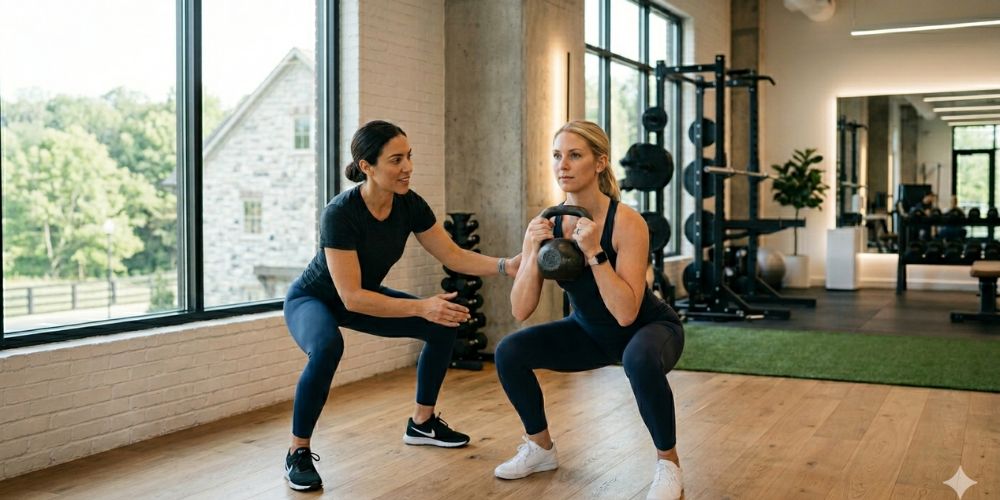
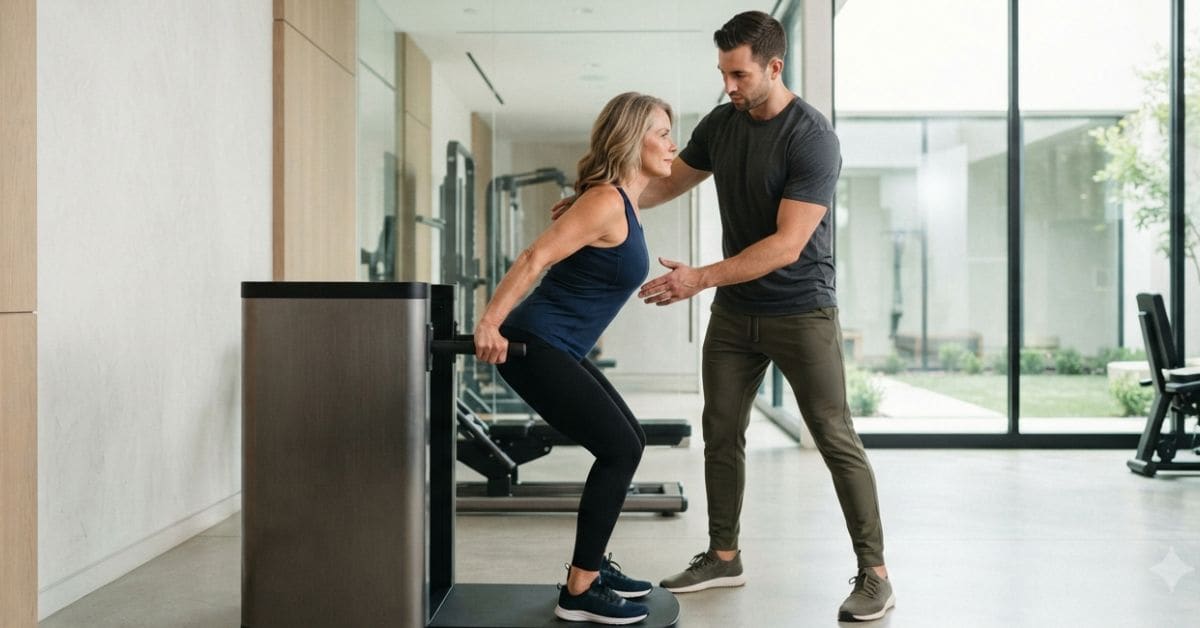
Coach guiding compound movement to rebuild functional strength safely

Is a Personal Trainer Worth It in Franklin, TN?

It is 6:40 on a Tuesday morning. You are standing in the kitchen with coffee, running the whole day in your head before it has actually started.

Somewhere in that list is the workout you meant to do yesterday.

You are not lazy. You have built a career, a household, and a calendar that mostly runs you.

You have also tried the app, the class package, and the January reset. Each one worked until a heavy week arrived and quietly ended it.

So now you have a browser tab open with a few personal trainers in Franklin, and one honest question behind it. Is this going to be different, or is it one more thing you pay attention to for six weeks?

That is the right question. Here is a straight way to answer it, including the cases where the answer should be no.

What Are You Actually Buying With a Personal Trainer?

You are buying certainty, not workouts.

Workouts are easy to find. Anyone can pull a program off the internet, and most of them are fine.

What is hard to find on your own is the confidence that the thing you are doing is the right thing, done correctly, in the right order, at the right intensity for where you are today.

A good trainer sells you four things.

Structure, so the decision of what to do is already made. Accountability, so a hard week does not become a lost month. Technique, so effort turns into progress instead of soreness. And measurement, so you know whether any of it is working.

If you strip those four things out, you are just paying someone to count reps. That version is rarely worth it for anyone.

Coach discussing health goals before personalized strength assessment session

When Is a Personal Trainer Not Worth It?

A personal trainer is not worth it if you already train consistently, enjoy the process, and can point to measurable progress over the last year.

That person does not have a coaching problem. Adding a trainer to an already working routine tends to add calendar pressure without adding much else.

It is also not worth it if you cannot protect the time. If the sessions are going to be the first thing sacrificed when a client emergency lands, the outcome is predictable no matter how good the coach is.

And it is not worth it if you are looking for a specific result by a specific date. Bodies do not run on quarterly deadlines. Results depend on consistency, effort, and recovery, and anyone promising a timeline is guessing.

Finally, if what you actually want is a social outlet or an hour of entertainment, a class community will serve you better and cost less friction.

Why Personal Training Fails for Some People

When personal training does not work, the reason is almost never effort.

The first failure point is a mismatch between the goal and the method. Someone who wants to feel strong and durable at fifty does not need the program a twenty-two-year-old athlete needs, and running the wrong one produces frustration rather than progress.

The second is a schedule that never had room in it. Committing to sessions you can only attend in a good week is how people end up paying for absence.

The third is the absence of measurement. Without numbers, progress becomes a feeling, and feelings are unreliable in month three when motivation is normal instead of high.

Notice that all three are fixable before you ever sign anything. That is the point of asking the question early.

How Do You Decide If a Personal Trainer Is Worth It for You?

Answer four questions honestly, and the decision usually makes itself.

First, what is the actual outcome you want? Not “get in shape,” but something you would recognize if it happened.

Carrying luggage without your back complaining. Feeling capable at sixty.

Second, how consistent have you been on your own in the last twelve months? If the honest answer is stop and start, that is a structure problem, and structure is exactly what coaching provides.

Third, can you protect a regular training time for a full season, not a good month?

Time is the real currency here, and it is worth being unsentimental about it.

Fourth, what will you measure? If nobody is tracking anything, you will not know whether it worked, and neither will your trainer.

Arx workout training with a coach

What Changes for a Busy Professional in Franklin

For most time-starved professionals, the deciding factor is not the training itself but how much friction sits around it.

An hour of training is rarely just an hour. It is the drive, the crowded floor, the wait for equipment, the shower, the drive back.

That surrounding friction is what quietly ends most routines, and it is why a private, appointment-based setting tends to work better for this reader than a busy gym floor. Sessions are short, scheduled, and finished on time.

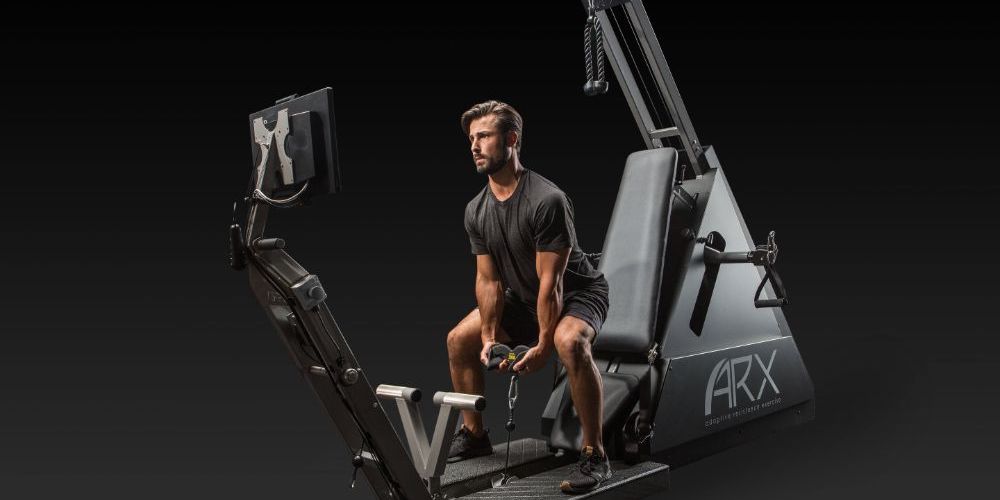
This is the approach we built our private strength training studio in Franklin around, using ARX technology so that a small amount of time can carry real training effect.

That is a very different ask than living at the gym five days a week.

What to Do Before You Commit to a Trainer

Before you commit, meet the person and ask how they would measure your progress.

The answer tells you almost everything. A trainer who can describe what they track, how often, and what they would change if the numbers stalled is running a process. A trainer who talks only about intensity is running a vibe.

Ask about their experience with people in your situation, your age range, and any limitations you are carrying.

If you want a fuller checklist for that conversation, our guide on how to find a personal trainer in Franklin walks through what to look for and what should give you pause.

Frequently Asked Questions

Do I need to get in shape before working with a personal trainer?

No. Starting from an untrained baseline is normal, and it is often the easiest place to build from because there is nothing to undo. A good trainer sets the starting point to match your current capacity, then adjusts as you adapt rather than expecting you to arrive prepared.

How long should I give it before deciding whether it is working?

It depends on your starting point, but think in seasons rather than weeks. Give it long enough to see whether your consistency and your measured numbers are both moving. If neither has shifted after a few months of regular attendance, that is a real signal worth raising with your trainer.

Can a personal trainer help if I have an old injury or a physical limitation?

Often, yes, provided your physician has cleared you for exercise. Experienced trainers work around limitations routinely by adjusting range, load, and selection. Be specific about your history in the first conversation, because a trainer who waves the concern away is telling you something useful about how they operate.

Is personal training worth it if I travel frequently for work?

It depends on whether the schedule can flex. Frequent travel is workable when sessions can be moved rather than lost, and when you have something simple to do on the road. It becomes expensive frustration if the arrangement assumes you are in town every week.

What if I try it and decide it is not for me?

Then you stop, and you will have lost very little. A single session tells you how the coaching feels, how the space feels, and whether the schedule is realistic for you. Deciding it is not the right fit is a legitimate outcome, and it is far cheaper to learn that early than after a long commitment.

How to Find a Personal Trainer in Franklin at LUX Fitness

If you are exploring whether coaching makes sense for your situation, the useful next step is a conversation, not a commitment.

You can ask about your goals, your schedule, and what progress would actually be measured. If the answers do not fit, that is a good outcome too, because you will have ruled something out with information instead of guesswork.

If you would like to see how the studio works in person, you can schedule an intro session whenever the timing suits you.

Ben Cluff September 25, 2026 Personal Trainer Read more

Best Time of Day to Workout: Why the Clock Matters Less Than You Think

Your calendar has three openings this week.

One at 5:50 in the morning, before anyone in the house is up. One at noon, wedged between two calls. One at 7:15 at night, when the day has already taken what it wanted.

None of them feels obviously right. So you keep waiting for the version of the week where a cleaner slot appears, and another week goes by.

It’s a fair thing to wonder about, and there’s real physiology underneath it. Your body genuinely doesn’t perform identically at every hour of the day.

But the best time of day to workout is rarely the one people actually end up needing. Here’s what the timing question really turns on, and what tends to matter far more.

What Actually Changes in Your Body Across the Day

Your body runs on a daily rhythm, and strength output rides along with it.

Core body temperature tends to sit at its lowest in the early morning and climb through the afternoon. Warmer muscle is generally more pliable, and coordination often feels sharper later on. That’s a big part of why so many people report feeling more capable after lunch.

Hormones shift too. Cortisol is typically highest shortly after waking and drifts downward as the day goes on. These patterns are generally described as ordinary daily variation rather than something you’re meant to manage.

The differences are real. They’re also smaller than the internet suggests, and they vary quite a bit from person to person.

So the clock does something. It just doesn’t do nearly as much as people hope it will.

Is Morning the Best Time to Lift Weights?

For a lot of busy professionals, yes, and it usually has nothing to do with physiology.

Mornings tend to be the most protected hours in a packed week. Nothing has gone wrong yet. No client emergency, no meeting that ran long, no text asking if you can handle pickup today.

The tradeoff is that you’ll often feel stiffer and slightly weaker right after waking. Joints take longer to loosen. Early sets can feel heavier than the numbers say they are.

Most of that fades with a proper warm-up and a few weeks of repetition. Bodies generally adapt to the hour you consistently train in.

Morning isn’t better because of your hormones. It’s better because it’s harder for the rest of the day to steal it.

Why Afternoon and Evening Often Test Stronger

If you’re chasing your best numbers, later in the day usually gives you a small edge.

By late afternoon you’ve been upright and moving for hours. Temperature is up. Joints have already been loaded, and movement tends to feel more coordinated. For many people the numbers do come in slightly higher later in the day, though the difference is modest and far from universal.

But that edge is small, and it’s easy to overvalue. A slightly better session you attend two-thirds of the time is worth less than a slightly worse one you never miss.

There’s a practical problem too. Evenings are the least defensible part of most calendars. Dinner, kids, one late request, and the plan quietly moves to tomorrow.

A performance edge you can’t reliably show up for isn’t much of an edge.

Does Training in the Evening Hurt Your Sleep?

For most people, no, though it depends on the person and on how close to bed you finish.

The old advice was to avoid anything hard at night. More recent guidance is considerably softer, and many sleep researchers now suggest evening exercise doesn’t disrupt sleep for most adults.

What matters more is intensity and proximity. Finishing a demanding session minutes before bed can leave you wired. Finishing a couple of hours out usually doesn’t.

Some people are genuinely sensitive to it. If you’re one of them, you’ll typically know within a week or two of testing it honestly.

Which is the useful move here anyway. Try the slot, watch what happens, and let your own response settle the argument. This is general education, not medical advice.

Does the Optimal Window Actually Beat Consistency?

It doesn’t, and it isn’t close.

Most people asking about timing aren’t underperforming in their sessions. They’re inconsistent, and they’re hoping a better hour will quietly fix that.

At LUX Fitness, we hear a version of this constantly. Someone tells us they train best in the evening, then their history shows the evening bookings are the ones that get moved.

The pattern is almost always the same. The theoretically optimal hour sits in the least protected part of the day. The slightly worse hour is the one that survives a hard week intact.

Pick the slot your life defends, then let the small physiological differences take care of themselves. If you’re curious what that looks like when the session is built to fit around a real calendar, here’s how 30 minute strength sessions get structured in Franklin.

How a Booked Session Removes the Timing Decision

At LUX Fitness in Franklin, TN, the timing question mostly disappears once the session is on the calendar.

You book a private, appointment-only slot. It’s yours. There’s no class schedule to work around and no crowd to wait out at six o’clock.

Because the studio is appointment-only, the available windows spread across the day. Early. Midday. After work. You choose the one your week actually protects, then you keep choosing it.

The work itself is measured either way. Load data doesn’t care what time it was collected, which makes it straightforward to see whether your chosen slot is genuinely working for you.

The decision stops being “when is best” and starts being “when will I actually show up.” If you’re curious how the training itself gets measured, here’s what happens during an ARX workout for people training in Franklin.

How to Find a Personal Trainer in Franklin

Should you eat before an early morning strength session?

It depends on the person. Some people train perfectly well on an empty stomach early, and others feel flat without something small first. Neither is required. Try both for a couple of weeks and keep whichever leaves you steadier under load.

How long should you warm up if you train first thing?

A little longer than later in the day. Muscles and joints are generally cooler and stiffer after waking, so a few extra minutes of easy movement usually helps. Nothing deep. Just enough to raise temperature and restore range.

Is it a problem to train at different times each week?

Not necessarily, though a fixed slot tends to hold up better. Varying times can work fine as long as the session still happens. For most people, a repeating appointment removes the daily negotiation about when to fit it in.

Does the best time of day to workout change as you get older?

Not really. Older adults often report feeling better a bit later in the morning, once they’ve been moving for a while, but the underlying principle holds. The schedule you can sustain still matters more than the theoretically ideal hour.

How long does it take to adapt to a new training time?

Usually a couple of weeks. Performance at an unfamiliar hour often feels worse at first, then normalizes as your body adjusts to the pattern. Give any new slot a fair trial before deciding it doesn’t suit you.

Find Your Best Workout Time at LUX Fitness in Franklin, TN

The best hour to train is the one your week actually protects. The physiology is real, but small, and consistency beats it almost every time. Choose the slot your calendar defends, then book a free intro session to test it in a private, appointment-only setting. There’s also a look at what training just once a week can realistically do.

A client performing a strength exercise on ARX equipment while a trainer monitors performance data

What to Expect From Your First Personal Training Session at LUX Fitness in Franklin, TN

There’s a specific kind of moment that brings people through the door at LUX Fitness. It’s not usually excitement. It’s usually a decision that’s been delayed for weeks or months. A calendar finally opens up, a frustration hits a peak, or something in the mirror or the doctor’s office makes it clear that “later” isn’t working anymore.

So they book the session. And then almost immediately, the overthinking starts. What do I wear? Am I already behind? Am I going to be pushed too hard? Am I going to look out of place in a private training studio in Franklin, TN?

If that sounds familiar, you’re exactly who this first session is designed for. Not to test you. Not to overwhelm you. But to give you clarity in a place where most people only ever experience confusion. If you’re still weighing your options, our guide on how to find the right personal trainer in Franklin walks through that decision. Here’s what actually happens.

The First Personal Training Session People Overthink the Most

Of all the sessions you’ll ever do, this is the one people build up in their head the most. Not because it’s complicated, but because it feels unknown.

Most new clients at LUX Fitness come from busy professional lives in Franklin where everything is scheduled, optimized, and expected to be handled well. Fitness is usually the one area that hasn’t cooperated with that system.

So the mind fills in the gaps: Am I going to be judged? Am I going to be too out of shape? Do I already need to “know what I’m doing”? The truth is simpler. Your first session is designed to remove pressure, not add it.

It’s the starting point of a structured, private personal training experience built around Adaptive Resistance Exercise (ARX) and coaching that meets you exactly where you are.

What to Bring to Your First Personal Training Session

You don’t need a reset routine before showing up. No prep cycle. No “get in shape first” phase. Just show up ready to move.

Wear comfortable training clothes. Bring athletic shoes and a water bottle. That’s it. If you’ve got past injuries, medical notes, or anything your coach should know, bring that too. Not because it’s a barrier, but because it helps shape your plan from day one.

At LUX Fitness, your personal trainer in Franklin is focused on building something that fits your real body, not an ideal version of it.

The First 10 Minutes: Just a Conversation

You’re not thrown into training right away. You sit down and talk first.

Your coach will ask about your goals, your schedule, your history with exercise, and what life actually looks like for you right now. Work demands, family rhythm, stress, energy levels, it all matters. Nothing here is a quiz and nothing you say is the “wrong answer.”

This conversation is the foundation of your entire training approach. It’s how we remove guesswork and start building structure around your life instead of forcing your life around workouts.

The Studio Walk-Through

Next, you’ll get a simple walkthrough of the space. LUX Fitness is a private strength training studio in Franklin, so the environment is intentionally calm, controlled, and distraction-free. No crowds. No noise. No wandering around trying to figure out what to do next.

Your coach will show you how the studio flows, where the ARX equipment is, and how a typical session is structured from start to finish. Most people relax during this part without even noticing it. The unfamiliar becomes familiar quickly when the environment is this focused.

Your First Movement on ARX

This is your first real introduction to training at LUX. Your coach will guide you through Adaptive Resistance Exercise (ARX), which works differently than traditional weights. Instead of lifting a fixed load, the machine matches your force in real time.

If you push harder, it responds. If you slow down, it adjusts. The resistance is always aligned with your effort. There’s nothing to load, no setup confusion, and no prior strength level required.

The first few movements are intentionally slow. The goal isn’t intensity. It’s awareness. Learning how your body feels when resistance is precise and controlled.

A beginner using a modern resistance training machine while a coach provides calm guidance.

The First Working Set

After you’ve moved through a few warm-up patterns, you’ll complete a short working set on one or two key movements. This is usually where things click.

Most new clients expect fitness to feel like pushing through exhaustion. Instead, they discover something more useful: effort that’s measurable, controlled, and repeatable. You’re not being pushed to your limit. You’re being shown what your actual starting point is.

By this stage, you’re typically 20 to 25 minutes into the session, already getting meaningful data on how your body responds to structured strength training.

How Your First Personal Training Session Ends

The final part of the session is about direction, not pressure. Your coach walks you through what they observed, how your baseline looks, and what your early training structure will likely involve.

You’ll talk through scheduling, consistency, and how often you should realistically train based on your life in Franklin, not an ideal calendar that doesn’t exist. There’s no pitch. No push. Just clarity on what comes next and what progress is going to look like over the first few weeks.

How the First Session Sets Up Your First Month

That first session becomes the blueprint for everything that follows. It establishes your baseline strength, introduces your movement patterns, and gives your coach the data needed to structure your first month of personal training.

From here, your program evolves week by week. Resistance adjusts. Progress is tracked. And each session builds on the last instead of restarting from scratch. For most clients, this is the first time training feels like a system instead of a cycle of starting over.

For a week-by-week look at how that first month tends to unfold, our guide on your first 30 days with a personal trainer at LUX picks up right where this leaves off.

What Makes the First Session at LUX Different

Most people walk into fitness environments expecting a test. Something they have to pass. Something they have to be ready for. LUX Fitness doesn’t operate that way.

Your first session in our private Franklin training studio is built around understanding, not performance. You’re not competing with anyone. You’re not trying to prove anything. With one-on-one coaching and ARX technology, everything is tailored in real time to your effort, your ability, and your starting point.

It feels less like an evaluation and more like the beginning of a system that finally makes sense.

FAQs About Your First Personal Training Session at LUX Fitness

What should I expect from my first personal training session?

Expect a conversation about your goals, a quick walkthrough of the studio, an introduction to ARX training, and a short working set to establish your baseline. It’s structured, but not intense. You’ll leave with a clear understanding of your next steps and how training will be built around you.

How long is a first session at LUX Fitness?

Most first sessions run about 45 to 60 minutes. The focus is on understanding your goals, learning how you move, and introducing you to ARX-based strength training without rushing the process.

Do I need any experience to start personal training?

No experience is needed. Whether you’re brand new, returning after time off, or just looking for a more structured approach, your coach will guide everything from the ground up.

Will I be pushed hard in my first personal training session?

No. The first session is about assessment and familiarization, not maximum effort. The intensity comes later once your coach has a clear understanding of how your body responds to training.

Book Your First Personal Training Session at LUX Fitness

Starting is usually the hardest part. Not because the training is difficult, but because people wait until they feel “ready.” At LUX Fitness, readiness isn’t a requirement. Structure is what creates readiness.

Your first session in our Franklin private training studio gives you a chance to experience ARX training, meet your coach, and understand what a real system for strength looks like, without commitment pressure.

If you’re just getting started, our strength training for beginners in Franklin, TN page is a good next stop.

Client reviewing strength progress metrics with a personal trainer inside a private fitness studio

At-Home vs In-Studio Personal Training in Franklin, TN: Why Equipment Matters

Why In-Home Personal Training Feels Like the Easy Part

On the surface, at-home training feels like the obvious win. No commute. No traffic on the way through Franklin. No planning your day around a studio window.

That convenience is usually what gets people interested in the first place, and it’s valid. When life is already packed, saving time feels like the biggest lever you can pull.

But once you look past scheduling, these aren’t just two versions of the same workout. They’re fundamentally different training environments. And the real dividing line almost always comes down to one thing: what kind of equipment you actually have access to.

What In-Home Personal Training Actually Looks Like

Most at-home setups are simple by necessity. Bodyweight movements, a pair of dumbbells, resistance bands, maybe a bench if you’re lucky. Enough space to move, but not much more.

For someone just getting started, or someone who mainly needs accountability and structure, that can work surprisingly well. Having a coach in your living room keeps you consistent and helps you learn how to move properly.

The limitation shows up later. Once your strength starts to improve, the lack of progressive, precise resistance becomes the bottleneck. You eventually outgrow what the equipment can realistically challenge.

And when that happens, progress doesn’t stop because of effort. It slows because of limits.

What the Studio Adds

Step into a dedicated training space and the entire equation changes.

At LUX Fitness, that means access to ARX technology, which automatically matches resistance to your effort through every phase of a movement. There’s nothing to load, nothing to guess, and no risk of choosing a weight that doesn’t match what your body can actually handle that day.

Every rep adjusts in real time.

That creates a level of precision and control that’s extremely difficult to replicate in a home environment. The session becomes less about working around limitations and more about applying exactly the right amount of resistance, every single time.

Why Equipment Quietly Decides the Outcome

Most people assume the coach is the main factor in results. Coaching matters. A lot. But the equipment determines what that coaching can actually do.

The same trainer, working with the same client, will produce two very different outcomes depending on the tools in the room. A bodyweight squat and a fully resisted ARX movement may use the same cueing, but they create completely different training stimuli.

One builds coordination and baseline strength. The other drives measurable, progressive overload.

That difference is what separates general movement from structured strength development. Both have value, but they are not interchangeable over time.

Adult client exercising at home with resistance bands, dumbbells, and a yoga mat in a clean living room

When In-Home Personal Training Makes Sense

At-home training fits best in specific situations:

  • You’re brand new and consistency is the main hurdle
  • Leaving the house is genuinely difficult due to schedule or mobility
  • You’re working through rehab with a professional guiding you
  • You need simplicity more than progression right now

In those cases, convenience isn’t just helpful, it’s the thing that makes training possible at all. A solid at-home session is always better than no session.

When the Studio Becomes the Better Fit

The studio environment starts to make more sense when your goals shift toward measurable progress and long-term strength. That usually looks like:

  • You want strength that can be tracked and improved over time
  • Bodyweight and light weights no longer challenge you
  • You want safer, more controlled progression as you get stronger
  • You prefer focused sessions that remove distractions
  • You perform better when the environment signals “it’s time to train”

For most people once the beginner phase is behind them, structure and progression matter more than convenience alone.

Why ARX Tips the Balance

This is where the gap becomes impossible to ignore.

Traditional equipment forces a fixed load. You choose a weight, and that weight stays the same whether you’re fresh or fatigued. Too light and you’re under-stimulated. Too heavy and form breaks down halfway through.

ARX removes that tradeoff completely by adjusting resistance in real time based on your output. Every phase of the rep is matched to what you can actually produce in that moment.

That kind of adaptive resistance doesn’t exist in a home setup. It’s a studio advantage by design, and it changes how efficiently you can train.

How Time and Energy Really Compare

At-home training often feels faster because there’s no commute attached to it. But that perception can be misleading.

Home sessions tend to stretch longer to compensate for limited equipment and setup changes. Rest periods drift. Transitions slow down. Focus comes and goes because you’re still in your normal environment.

A 30-minute focused ARX session at LUX Fitness, even with a short drive, often ends up matching the total time investment of a much longer at-home workout.

The bigger difference is energy. Studio sessions are contained. You arrive, train with intention, and leave. There’s no blending of roles or distractions pulling attention in different directions.

Why the Setting Itself Affects Results

The environment you train in changes how you show up.

Walking into a dedicated space creates a clean mental separation from everything else happening in your day. Work stays outside. Home stays outside. You’re not half-training while thinking about emails or chores.

That separation matters more than people expect.

For many clients, that switch is the difference between inconsistent effort and fully committed sessions. The environment doesn’t just support training, it reinforces it.

What In-Home Personal Training and In-Studio Training Share

Regardless of where you train, one factor still outweighs everything else: the quality of coaching.

A strong coach will get results in a modest setup. A weak coach won’t fix anything in a high-end studio. The fundamentals, attention, programming, and accountability, matter in both environments.

So the real decision isn’t just about location or equipment. It’s about pairing the right coaching with the right setup for your stage of progress. If you’re weighing your options, it helps to know what to expect from your first session before you commit.

Once that’s clear, the question becomes simple: do you need maximum convenience, or do you need maximum progression?

FAQs About In-Home Personal Training vs In-Studio in Franklin

Is in-studio personal training better than at-home personal training in Franklin?

For measurable strength progress, in-studio training usually has the advantage because the equipment allows for more precise and progressive overload. At-home training works well for beginners or anyone prioritizing consistency over performance. The better option depends on whether your main challenge is showing up or continuing to progress.

Can you build real strength with at-home personal training?

Yes, especially early on. Bodyweight work, bands, and light dumbbells can build a solid foundation. Over time, though, those tools become limiting as strength increases. In-studio training with adaptive resistance allows for continued progression long after home setups plateau.

Does in-studio personal training take a lot more time?

Not necessarily. While you add a short commute, studio sessions are more focused and efficient. A 30-minute structured session often replaces longer, less efficient at-home workouts once setup time and distractions are factored in.

Why does equipment matter so much in personal training?

Because equipment determines how precisely you can apply resistance and progression. Coaching sets direction, but equipment sets the ceiling. Adaptive systems like ARX remove guesswork and allow training to stay aligned with your actual strength in real time.

See the Difference Equipment Makes at LUX Fitness

The easiest way to understand the difference is to experience it directly.

A free intro session at LUX Fitness shows how adaptive resistance changes the feel and outcome of training in real time. If you’re still comparing options, our ARX training sessions in Franklin, TN page gives you a clearer sense of how studio-based strength training actually works.

Personal trainer and client reviewing workout performance metrics on a tablet screen after a training session

Personal Trainer vs. Regular Gym Membership in Franklin, TN: Which Is Right For You?

The Personal Trainer vs. Gym Membership Question

Most people don’t sit around seriously debating “gym vs trainer” like it’s a life philosophy. It usually shows up in a quieter moment.

You notice your energy isn’t what it used to be. Clothes fit a little differently. You think about getting back in shape, maybe after a long stretch of work stress, travel, or just life stacking up faster than your routines.

So you open your phone and start searching. A gym membership feels like the default. A personal trainer feels like the “serious” option.

But that’s not really the question you’re trying to answer. What you’re actually asking is: what am I going to stick with this time? That’s the only part that matters.

So instead of arguing which is better in general, here’s how each option actually plays out in real life here in Franklin, and how to tell which one fits your situation right now.

What a Gym Membership Actually Buys You

A gym membership is straightforward. You’re paying for access. Access to equipment. Access to space. Access to show up whenever your schedule allows.

And to be fair, that’s useful, especially if you already know what you’re doing. If you’ve trained before and you’re comfortable building your own workouts, a gym can work just fine. You go in, do your thing, and leave. No structure imposed on you, no one directing the process.

But that freedom cuts both ways. A membership doesn’t actually do anything for you beyond opening the door. It won’t tell you what to train. It won’t adjust your plan when life gets messy. It won’t keep you progressing when motivation dips. That part is still on you, and that’s usually where things start to break down.

A 40-year-old man in athletic build training in a private luxury fitness studio with a personal coach.

What a Personal Trainer Actually Buys You

A personal trainer is a different setup entirely. You’re not just getting workouts, you’re getting a system that’s built for you, plus someone making sure you actually follow it.

There’s structure. There’s accountability. There’s adjustment when your week doesn’t go as planned. And more importantly, there’s the removal of all the small decisions that usually slow people down: what to do today, how hard to go, whether you’re doing enough, whether you’re doing it right.

At LUX Fitness, that structure is built into private one-on-one sessions using ARX technology, where resistance adjusts to your effort in real time. The session isn’t based on guesswork or ego lifting. It’s based on what your body can actually produce that day. It becomes less about “figuring it out” and more about showing up and executing.

That’s the real difference. Not access versus restriction, but direction versus uncertainty. The same holds if you’re weighing a personal trainer for weight loss.

When a Gym Membership Is the Smart Pick

A gym membership makes sense in the right context. It’s not wrong, it’s just specific. It tends to work best when:

  • You already have a consistent training routine you follow without much effort
  • You’re comfortable programming workouts on your own
  • You enjoy figuring things out as you go
  • Cost is the main factor and you’ve got time and flexibility in your week

In that situation, a gym can be more than enough. You’re not relying on the environment to give you structure, you’re bringing it with you.

When a Trainer Becomes the Better Bet

A trainer starts to make more sense when the pattern looks a little different, like:

  • You’ve joined gyms before but never stayed consistent for long
  • You’re not confident building or adjusting workouts on your own
  • You’re coming back after time off, injury, or a long break
  • Your schedule is packed and you need every session to actually count
  • You want to see clear progress instead of guessing if it’s working

In those cases, the issue usually isn’t effort. It’s not even desire. It’s clarity. A good trainer replaces the uncertainty with a plan you don’t have to second-guess. That alone changes everything for most people.

The Decision Matrix: Personal Trainer vs. Gym Membership, Line by Line

Most of this decision comes down to nine things. Read down the column that sounds more like your life.

What You're Comparing Gym Membership Personal Trainer (LUX Fitness)
What you're actually buying Access to equipment and space A plan, a coach, and a session already on the calendar
Who builds the plan You do, every week Your coach does, starting from a baseline strength assessment
Who adjusts it when your week falls apart Nobody. The plan waits for you to come back to it Your coach, session by session, based on what you can produce that day
Time cost, door to door Longer than the workout, once you add driving, parking, waiting on equipment, and warming up A 30-minute session, booked in advance, with the equipment ready when you arrive
How progress gets measured By feel, or by whatever you remember to log Objectively, through ARX data captured on every rep
Safety and load management Your call on form, load, and progression, which works if you have trained for years Coached form, with resistance matched to your effort rather than to a number you guessed
Environment A shared floor, with crowds at the hours you are most likely free Private and appointment-only, with no audience and no waiting
Cost comparison A low recurring fee for access, and nothing else. The monthly number stays flat while your cost per completed workout climbs every week you skip A larger recurring investment that covers the programming, the coaching, the tracking, and the session itself. The number to compare is cost per result, not cost per month
What happens when you stop showing up You keep paying for access you are not using, and usually nobody notices A booked session is harder to skip, and your coach notices when you do

Read the matrix honestly and the answer usually picks itself. If every row in the left column already describes a system you run well, a membership is the efficient choice.

If three or more rows land in the right column, structure is the thing that has been missing.

Personal Trainer vs. Gym Membership: How Costs Compare

On paper, the gym is cheaper. That part is obvious. But that’s not the full picture.

A gym membership only stays “cheap” if you actually use it consistently. If you go three times one month and twice the next, the cost per workout climbs fast without you noticing.

A trainer flips that equation. You’re paying for a session that’s already scheduled, already structured, and already expected. You don’t have to decide whether you’re going, you just go.

At LUX Fitness, the value shows up less in the monthly number and more in whether you actually stay consistent week after week. For most busy professionals, that consistency is what they were missing in the first place.

discussing a customized fitness plan with a clipboard and a digital tablet visible on the table between them.

How the Time Math Works

Time is usually the deal-breaker, even if people don’t say it out loud. A gym session sounds like an hour, but the real version is closer to an hour and a half once you factor in driving, parking, waiting on equipment, warming up, and cooling down. And if the gym is busy, it stretches even more.

A focused 30-minute private session changes that rhythm completely. You arrive, train with purpose, and leave. No wandering, no waiting, no figuring it out mid-session. That’s one of the main reasons people in demanding schedules stick with it. It doesn’t require a whole chunk of your day to function.

How Safety Plays Into It

Safety doesn’t usually get much attention in this comparison, but it should. In a traditional gym, you’re responsible for all of it: your form, your load, your progression, and your recovery. That works if you’ve been training for years. It gets risky if you haven’t.

With a trainer, those decisions aren’t left hanging. Your movement is coached, your load is adjusted, and your progression is monitored. At LUX Fitness, ARX technology adds another layer by matching resistance to your effort so you’re not forcing weights your body isn’t ready for. The goal isn’t just to work hard, it’s to work hard without breaking yourself down in the process.

How to Find a Personal Trainer: Compare Two Side by Side

If you’re stuck between options, stop trying to overthink it and compare what actually matters:

  • Is the training private or in a shared gym environment?
  • How long are sessions, and are they realistic for your schedule?
  • What equipment or system do they use, and why?
  • How is progress tracked and communicated?
  • How do they handle adjustments when life gets busy?
  • Will this actually survive a normal week of your life?

The trainer who answers these clearly usually makes the decision for you.

A beginner using a modern resistance training machine while a coach provides calm guidance.

What Using a Personal Trainer and Gym Membership Together Looks Like

Not everyone chooses one or the other completely. Some people keep a basic gym membership for casual cardio, stretching, or extra movement on off days, while doing structured personal training for their main strength work. That setup can work well, as long as both pieces are actually being used with intention.

But if your gym membership has turned into something you pay for but rarely use, that’s usually a sign it’s not the right tool anymore. Not a failure, just a mismatch.

If the environment is the part you are still weighing, our comparison of a private studio vs. a big-box gym in Franklin covers that side of it.

Personal Trainer vs. Gym Membership: How to Make the Call

If you’re stuck between the two, it helps to simplify it:

  • If you already have structure, a gym membership is usually enough
  • If you’re missing structure, consistency, or confidence, a trainer is the stronger option
  • If time is your biggest constraint, short, focused training almost always wins

Most people already know the answer once they’re honest about what’s actually missing. If you’re still figuring it out, the next step is usually understanding how to choose the right personal trainer in Franklin before committing either way.

FAQs About Personal Trainer vs. Regular Gym Membership

Is a personal trainer better than a gym membership in Franklin?

It depends on what you need right now. If you already know how to train and just need access, a gym works fine. If you need structure, accountability, or help staying consistent, a trainer is usually the better fit.

Is a personal trainer worth the extra cost over a gym membership?

It tends to be worth it when consistency matters more than keeping monthly costs low. A cheap membership doesn’t help much if it’s barely used. The real comparison is whether you’re getting results, not what you’re paying per month.

Can you switch from a gym membership to a personal trainer easily?

Yes, it’s usually a smooth transition. Some people keep their gym for a short overlap period, but many drop it once structured training becomes their main routine. It depends on how quickly you settle into the new rhythm.

Do beginners benefit more from a personal trainer or a gym membership?

Most beginners do better with a trainer. It removes the guesswork, builds proper form early, and helps establish consistency from day one. A gym can work, but only if there’s already a clear plan in place.

Try the Training Side at LUX Fitness

The easiest way to know the difference is to experience it.

A free intro session at LUX Fitness gives you a feel for structured, ARX-based personal training in a private setting: no guessing, no crowds, just a clear session built around how you actually move. If you’re still exploring, the gym in Franklin, TN page lays out our overall approach.

Personal trainer providing one-on-one coaching during a workout

How to Find the Right Personal Trainer in Franklin, TN: A Buyer’s Guide

Why Knowing How to Find a Personal Trainer Feels So Hard

Most people don’t struggle with the idea of getting a personal trainer. They struggle with figuring out which one is actually right.

You open a few websites and everything starts to blur together. Same language. Same promises. Same photos of someone mid-squat looking like they’ve got life figured out. Everyone says they offer “custom training” and “real results,” but nothing clearly explains what makes one place different from the next.

So the decision drags on longer than it should.

If you’re in Franklin, TN trying to get stronger, lose weight, or finally build consistency that lasts longer than a few weeks, here’s the reality: the right trainer isn’t just about credentials. It’s about fit, structure, and whether the system actually works for your life.

Below is a simple way to sort through it without overthinking it.

How to Find a Personal Trainer: Start With Your Actual Goal

Before comparing trainers, most people skip the most important question. What do you actually want this to do for you? Not in a vague “get fit” way. In a real-life way.

Stronger joints so your knees and back stop holding you back. A leaner body without living in the gym. More energy in the afternoon instead of crashing by 3 PM. Or just a system that finally sticks so you’re not restarting every few months.

Each of those goals requires a slightly different kind of coaching. The “best trainer” doesn’t exist in general. The best trainer is the one built for your version of consistency, your schedule, and your body.

Get that clear first, and everything else gets easier to judge. If losing weight is the goal, here’s what to expect from a personal trainer for weight loss.

A personal trainer guides a woman lifting dumbbells in a gym setting.

Look at the Room Before the Resume

People love to compare certifications. But the environment you train in matters just as much, if not more.

A crowded big-box gym and a private training studio will produce completely different experiences, even if the trainer is equally skilled. If you already feel stressed just thinking about navigating a busy gym floor, that’s not something to ignore. That reaction is information.

LUX is built specifically around removing that friction. Private training space. No wandering. No waiting. No performing your workout in front of strangers. Just focused sessions where the only thing that matters is execution and progress.

For most busy professionals, that shift alone changes everything.

Ask What They Actually Use

“Personal training” can look very different depending on where you walk in. Some trainers rely heavily on barbells and free weights. Others lean into high-intensity circuits. Others use bands, machines, or a mix of everything with no real system behind it.

What matters is not just what they use, but how that method affects your joints, your time, and your ability to stay consistent.

At LUX Fitness, training is built around ARX technology. It automatically matches resistance to your strength in real time, every rep. That means no guessing what weight to use, no bouncing through momentum, and no beating up your joints to “make it count.” Sessions stay efficient, controlled, and built for measurable strength progress in about 30 minutes.

For people balancing work, family, and everything else, that efficiency isn’t a bonus. It’s the difference between sticking with it and dropping off again.

Judge the Coaching, Not the Workout

Most workouts can be made to look impressive on paper. Good coaching is harder to spot.

Pay attention to how a trainer communicates. Do they explain why you’re doing something, or just tell you what to do? Do they adjust when something feels off, or push through it just because it’s written on the plan?

The best coaches stay curious. They listen. They adjust. They don’t tie your progress to ego or intensity. If everything sounds like “push harder” and “no excuses,” that’s not coaching. That’s noise.

Real coaching is about consistency, recovery, and making sure your body can actually keep progressing week after week.

Make Sure the Schedule Is Honest

A training plan only works if it fits your actual life, not your ideal version of it. Most people underestimate this.

If your week is already packed with meetings, family responsibilities, travel, and constant context switching, long or overly frequent sessions will eventually lose to your schedule.

That’s why structure matters. LUX uses shorter, focused sessions designed for consistency over perfection. The goal isn’t to overwhelm your calendar. It’s to fit into it reliably so you can actually stay on track long enough to see results.

Because the best program is the one you can repeat.

Female personal trainer coaching a woman during a strength training workout in a clean private fitness studio,

Ask How They'll Measure Progress

If progress can’t be measured, it usually gets guessed. And guessing leads to inconsistency.

A trainer should be able to clearly explain how they track whether what you’re doing is working. Strength improvements, movement quality, recovery, and how you feel outside the gym all matter.

At LUX, ARX data gives you and your coach a shared baseline every session. You’re not relying on memory or vague impressions. You’re seeing actual strength changes over time. That’s what allows adjustments early, instead of waiting months to realize something isn’t working.

Would You Trust Them With a Bad Day?

Anyone can coach a good day. You show up rested, motivated, and everything feels easy. The real test is the opposite.

You walk in tired. Stressed. Maybe a little sore. Not in the mood to push hard, but still wanting to stay consistent. A good coach doesn’t punish that. They adjust. They scale the session. They keep you moving without turning one difficult day into a setback.

That kind of coaching doesn’t show up in marketing. It shows up in the room, when life is actually happening.

How to Find a Personal Trainer: Compare Two Side by Side

If you’re stuck between options, stop trying to overthink it and compare what actually matters:

  • Is the training private or in a shared gym environment?
  • How long are sessions, and are they realistic for your schedule?
  • What equipment or system do they use, and why?
  • How is progress tracked and communicated?
  • How do they handle adjustments when life gets busy?
  • Will this actually survive a normal week of your life?

The trainer who answers these clearly usually makes the decision for you.

Trainer or Gym Membership?

Not every decision is trainer versus trainer. Sometimes it’s a trainer versus a regular gym membership and going it alone.

That’s a bigger question than most people give it credit for. One path gives you structure, feedback, and accountability. The other gives you flexibility, but also full responsibility for staying consistent when life gets chaotic.

Neither is wrong. But only one is designed to remove decision fatigue from your week.

How to Find a Personal Trainer in Franklin

How do you choose the right personal trainer in Franklin?

It comes down to fit more than anything else. Your goals, your schedule, and the environment you train in matter just as much as experience or certifications. Pay attention to whether they actually listen, whether they track progress in a meaningful way, and whether their system still works when your week gets messy. An intro session will usually tell you more than any website ever will.

What questions should you ask a personal trainer before signing up?

Ask how sessions are structured, how long they last, what a typical week looks like, and how progress is tracked over time. Also ask what happens when your schedule falls apart or life gets busy. Clear, specific answers usually signal a real coaching system. Vague responses usually don’t.

Should you choose a personal trainer based on price alone?

Price alone rarely tells the full story. The cheapest option can end up costing you more if you don’t stay consistent. The most expensive isn’t automatically better either. What matters is whether the format, coaching style, and environment match your goals well enough that you actually stick with it.

How does LUX Fitness help new clients decide if it's the right fit?

It starts with a free intro session. You meet the coach, see the space, and experience an ARX session firsthand. There’s no pressure to decide on the spot. The goal is simple: give you enough clarity to know whether the system fits your life and your goals.

How to Find a Personal Trainer in Franklin at LUX Fitness

Most people don’t need more information. They need a clear starting point. That’s what the first session at LUX is for.

It’s private, structured, and focused entirely on you. You’ll understand how training works, what your plan would look like, and whether it actually fits your schedule and goals.

If you’re still exploring, our personal trainer in Franklin, TN page breaks down the bigger picture of how we train and who it’s built for.

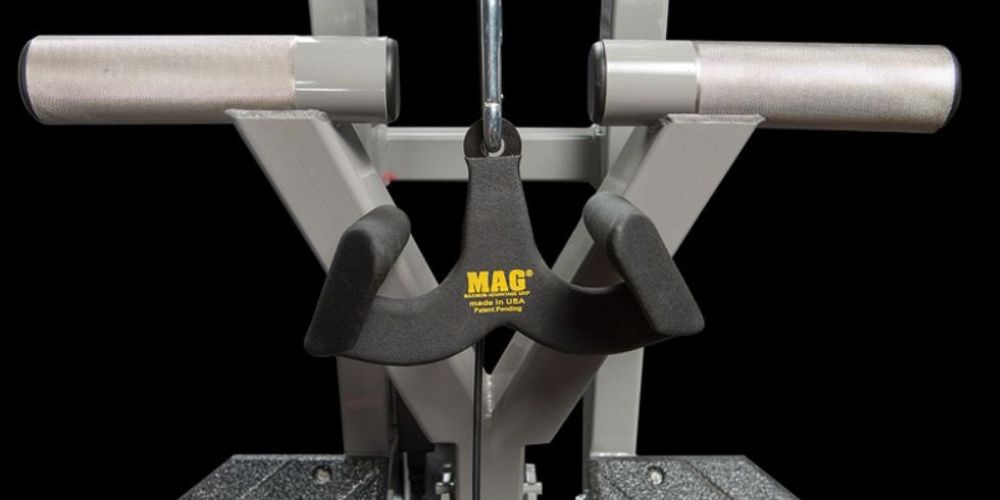
Close-up of a specialized fitness equipment handle attachment.

Personal Training Pricing in Franklin, TN: One Private Membership, $299 a Month

You’ve probably had this moment already. A few studio websites are open in different tabs, each with its own packages, session bundles, and fine print, and none of them gives you a straight number.

After a long day, comparing pricing charts is the last thing you want to do. You just want to know what it costs and what you actually get.

At LUX Fitness, that answer fits in one sentence. One private membership, $299 a month, with one-on-one strength coaching in every session.

How Much Does Personal Training Cost at LUX Fitness?

A LUX Fitness membership is $299 per month. That comes out to about $75 per coached session.

The monthly number is the one to pay attention to.

At LUX, every rep is measured, so you can see whether you’re getting stronger instead of guessing.

Hands attaching a cable to a fitness machine clip.

Why Personal Training Pricing Gets Confusing

Most personal training pricing is built around packages. Buy more sessions, get a lower rate, then work to use them up.

That setup puts a purchase decision in front of every workout. For a busy professional, it’s one more thing to manage in a week that’s already full.

It also makes fair comparisons hard. You end up weighing numbers instead of what the coaching actually looks like.

One Personal Training Membership, Built for Consistency

LUX keeps it simple on purpose. There’s one membership and one price, so the only decision left is when your session fits into your week.

Strength training works because you keep showing up. A steady monthly membership supports that routine better than a stack of sessions you’re trying to spend down.

It also means every member gets the same coaching. Someone brand new to strength training and someone who has trained at LUX for a year get the same private, focused attention.

What's Included in Your LUX Fitness Membership

Every member gets the full LUX experience. There’s nothing to upgrade into later.

Coaching isn’t an add-on at LUX. It’s part of every session.

Month-to-Month Personal Training With No Long-Term Contract

Your membership runs month to month, with no long-term contract to sign.

Work, travel, and family schedules shift, and your training should be able to shift with them. You stay because the training fits your life and you can see your strength going up, not because a contract says you have to.

Man performing a deadlift exercise on an ARX machine.

A Private, Club-Style Strength Studio in Franklin

LUX Fitness isn’t a traditional gym membership. It works more like a private club built around strength training, right here in Franklin.

Sessions are appointment-only, and the studio is quiet, clean, and private. There’s no crowded floor, no waiting for equipment, and no class happening around you.

When you arrive, your coach is ready, and your session is already planned. Most sessions take around 30 minutes, so training fits into your day instead of taking it over.

Is $299 a Month Worth It for Personal Training?

At LUX, every rep is measured, so you can see whether you’re getting stronger instead of guessing. That way, you can judge the monthly price against real, measured progress.

One-on-one coaching, a plan built for you, and protein and electrolytes from the supplement bar all come with that same monthly price.

How to Get Started at LUX Fitness

The easiest way to understand the membership is to try the training first. Every new client starts with a free session.

You’ll meet your coach, try ARX for yourself, and talk through your goals and schedule. There’s no pressure to join during that first visit.

Frequently Asked Questions About Personal Training Pricing in Franklin

What does the $75 per session figure mean?

It’s what the $299 monthly membership works out to per coached session. It gives you an easy way to compare LUX with session-based pricing elsewhere. The membership itself runs month to month, with no long-term contract.

Is LUX more expensive than a regular gym membership in Franklin?

Usually, yes. A standard gym membership pays for access to equipment. A LUX membership includes a private coach in every session, a plan built for you, and measured progress, so the fairer comparison is personal training, where the coaching is what you’re paying for.

Is the membership a good fit for beginners?

Yes. The same membership covers every starting point, from people who have never lifted to experienced lifters. ARX adjusts resistance to your strength in real time, and your coach sets the plan around where you are now, not where a program assumes you should be.

How will I know the membership is working?

You’ll see it in your numbers. ARX measures every rep, and your coach reviews your strength data with you, so progress shows up well before the mirror changes. If you’d like to see it for yourself, a free session is the easiest place to start.

Explore Personal Training Pricing at LUX Fitness

If you’re exploring personal training in Franklin, a free session is the easiest way to see what $299 a month includes. You’ll meet the coach, try ARX, and get a clear feel for the studio before deciding anything.

No crowded gym floor. No complicated packages. Just one private membership and strength coaching built around your life.

A beginner using a modern resistance training machine while a coach provides calm guidance.

Your First 30 Days With a Personal Trainer: What Actually Happens

Most beginners think the hard part is the workout.

Usually it’s starting.

Not because the training is extreme, but because gyms tend to make people feel like they already missed the orientation. Everybody else seems comfortable. The equipment looks complicated. You assume you should already know the difference between a good workout and a pointless one.

So people wait until they feel “ready.”

Most never really do.

At LUX Fitness, the first month is designed to remove that feeling completely. The process is slower, more guided, and more structured than most beginners expect.

Nobody throws you into random circuits. Nobody tries to exhaust you on day one. The first 30 days are about learning how to train properly and proving to yourself that strength training can actually fit your life.

Female personal trainer coaching a woman during a strength training workout in a clean private fitness studio,

The First Week Usually Feels Easier Than Expected

Most people walk into their intro session expecting intensity.

Instead, the first session feels more like a conversation.

Your coach asks about your schedule, your energy levels, old injuries, previous attempts at fitness, and what you actually want out of training. That part matters more than people think because real progress usually depends less on motivation and more on whether the plan works with your normal week. If weight loss is the goal, here’s how a personal trainer for weight loss builds that plan.

Then you go through your first ARX session.

The machine adjusts resistance to your strength while you move, so there’s no awkward guessing about what weight to use or whether you’re overdoing it. For beginners especially, that changes the experience immediately.

Most clients leave the first session thinking:
“That was way more manageable than I expected.”

That’s intentional.

Week Two Is Where Things Start Feeling Familiar

The second week is usually when the nervousness starts fading.

You stop wondering where to stand. The equipment starts making sense. The sessions feel less like an unfamiliar experience and more like a routine you’re learning.

This is also where your coach starts dialing in movement patterns more carefully. Not flashy exercises. Just the basics done well.

How to move under control.
How to brace properly.
How to create tension instead of rushing through reps.

Those small adjustments matter because they make every future workout safer and more effective.

And honestly, this is the point where many beginners realize strength training isn’t supposed to feel chaotic.

Female trainer providing hands-on coaching during a dumbbell strength exercise

Around Week Three, You Notice Something Outside the Gym

The first noticeable changes usually have nothing to do with appearance.

You carry groceries differently. Stairs stop feeling annoying. Sitting at a desk all day doesn’t leave you as stiff. You catch yourself standing taller without thinking about it.

Those changes show up before dramatic physical transformation does.

At the same time, ARX tracking starts showing measurable strength improvements. That part matters because beginners often need proof that the process is working before visible changes happen.

The numbers help remove the guesswork.

You’re not wondering whether you’re improving. You can actually see it.

By Week Four, It Starts Feeling Normal

This is usually the biggest shift in the first month.

Training stops feeling like “the new thing” you’re trying to keep up with.

It starts becoming part of your week.

The workouts still stay short, but your coach now has enough information to adjust things more precisely around your recovery, schedule, and progress. Some clients settle into once-weekly sessions. Others train twice weekly depending on goals and availability.

Either way, the routine starts fitting into life instead of competing with it.

That’s the point most people miss when they try to start fitness on their own. Sustainability matters more than intensity almost every time.

Why Beginners Tend to Like the Environment at LUX

A lot of people picture personal training as an aggressive gym experience with someone yelling motivation at you.

LUX Fitness is quieter than that.

The studio is private on purpose. There’s no crowded floor, no waiting for equipment, and no feeling like people are watching you figure things out. Your coach is with you the entire session, adjusting things in real time and keeping the workout focused.

For beginners, that environment changes everything.

Instead of trying to survive the workout, you can actually pay attention to what your body is doing.

What Beginners Usually Worry About (That Doesn’t Matter)

Almost everybody shows up thinking they should already know more than they do.

People apologize for being out of shape. They worry about lifting too light. They think they should understand the exercises immediately.

None of that matters here.

Your first month is not about performing well. It’s about learning the process, building consistency, and giving your body time to adapt without overcomplicating things.

Most clients are surprised by how quickly that pressure disappears once they start.

What Actually Matters During the First Month

The clients who do best during the first 30 days are usually not the most athletic.

They’re the ones who keep showing up.

They communicate with their coach when something feels off. They focus on learning the movements instead of chasing intensity. They stop trying to “win” workouts and start thinking longer term.

That approach tends to work better after the first month too. Prefer starting with a female personal trainer? Here’s what that’s like.

Start With a Free Intro Session

If you’ve been thinking about working with a personal trainer but keep putting it off, the easiest thing you can do is see the process for yourself.

The intro session at LUX Fitness is simple. You meet your coach, go through a short ARX workout, and get a feel for how the training actually works in practice.

No crowded gym floor.
No pressure to already know what you’re doing.
No expectation that you need to “get in shape first.”

Just a clear starting point and a plan that feels manageable from day one.

A 40-year-old man in athletic build training in a private luxury fitness studio with a personal coach.

Personal Training Over 40 in Franklin, TN: What Changes and What Doesn’t

Most people do not suddenly need a completely different workout after 40.

They need a smarter one.

The body is still capable of building strength, improving muscle tone, and making meaningful progress. What changes is how much it tolerates poor programming, inconsistent recovery, and workouts built around intensity instead of longevity.

That is why personal training over 40 in Franklin, TN works best when the focus shifts from “pushing harder” to training more precisely.

At LUX Fitness, strength training over 40 is built around private coaching, measurable progress, and efficient sessions designed to support consistency long term.

What Actually Changes About Personal Training After 40

The biggest shift after 40 is not potential.

It is recovery.

Workouts that once felt easy can suddenly leave joints irritated for days. Recovery takes longer. Mobility becomes more important. Poor form and excessive volume become harder to “push through” without consequences.

That does not mean your body is declining beyond repair.

It means the margin for error gets smaller.

And that is exactly why training needs to become more intentional.

Smarter programming, cleaner movement, controlled resistance, and consistent recovery become far more important than simply adding more volume or intensity.

A 40-year-old woman performing a slow, controlled strength training movement in a private training studio.

What Doesn’t Change About Strength Training After 40

The fundamentals of strength training still work after 40.

You still build strength through progressive resistance.
You still improve muscle tone through consistency.
You still recover better with sleep, hydration, movement, and proper recovery habits.

The basics do not disappear with age.

What changes is how carefully the plan needs to be executed.

That is why random workouts and inconsistent training tend to feel worse over time, while structured coaching often works better than ever.

Why Strength Training Matters More After 40

Strength training becomes increasingly important with age because it supports much more than appearance.

It helps maintain:

  • Muscle mass
  • Bone density
  • Joint stability
  • Balance and coordination
  • Posture
  • Everyday movement quality

Those benefits rarely feel dramatic after a single workout. They build gradually over months of consistent training.

But the opposite is also true.

When strength training disappears completely, the slow decline in strength, stability, and energy usually becomes the default. Here is how long it takes to lose muscle once training stops.

The good news is that adults over 40 are often capable of making faster progress than they expect once they begin training consistently again. For women, this is often when strength training through perimenopause and menopause matters most.

A 40-year-old man stretching and performing mobility work on a mat after a strength training session

What Smart Personal Training Over 40 Looks Like

A good strength training plan over 40 is usually simpler than people think.

It focuses on:

  • Short, repeatable sessions
  • Controlled movements with proper form
  • Progressive resistance without excessive joint strain
  • Enough recovery between workouts
  • Clear progress tracking over time

At LUX Fitness, this approach is built around ARX technology, which adjusts resistance to your strength throughout the movement in real time.

That means the workout stays challenging without forcing your body into unnecessary strain or momentum-based lifting.

The result is training that feels controlled, efficient, and sustainable.

Why Shorter Sessions Work Better for Personal Training Over 40

Long workouts are not automatically better workouts.

For many adults over 40, excessive volume creates more recovery problems than actual progress.

Fatigue accumulates faster. Joints take a bigger hit. Recovery stretches longer. Eventually, consistency becomes difficult because the workouts are simply too draining to sustain week after week.

That is why many LUX Fitness clients train once or twice weekly in focused 30-minute sessions.

The goal is not exhaustion.

The goal is meaningful strength work that your body can recover from consistently.

That balance is what allows progress to continue long term.

40-year-old man drinking water and doing light stretching in a quiet wellness lounge area

What a Personal Training Session Over 40 Actually Feels Like

Training at LUX Fitness is private, coach-led, and intentionally focused.

There is no crowded gym floor. No loud group class environment. No wandering between machines trying to figure out what comes next.

Your coach guides the entire session while tracking form, pacing, and progression in real time.

The atmosphere stays calm and controlled so you can focus fully on the workout itself.

Most clients leave feeling challenged, energized, and capable — not completely depleted.

That difference matters more after 40 because recovery becomes part of the strategy, not an afterthought.

What Consistent Personal Training Over 40 Actually Changes

For many adults over 40, the first noticeable changes are not dramatic physical transformations.

They are practical improvements in everyday life.

Things like:

  • Feeling less stiff in the mornings
  • Moving more comfortably after sitting for long periods
  • Having more energy later in the day
  • Feeling steadier on stairs or uneven ground
  • Recovering faster from daily activity
  • Feeling stronger and more confident overall

Those changes tend to build gradually, then become difficult to ignore after several months of consistent training.

Why Private Personal Training Works Better for Adults Over 40

Many people over 40 are not looking for extreme workouts or crowded fitness environments.

They want efficient coaching, clear structure, and a training plan that feels sustainable.

Private personal training provides that.

At LUX Fitness, sessions are appointment-based, guided from start to finish, and designed around the individual instead of the group.

That means:

  • No wasted time
  • No guessing what to do
  • No pressure to “keep up”
  • No distractions pulling focus away from the workout

For busy professionals and adults balancing work, family, and recovery, that structure often makes consistency much easier to maintain.

A 40-year-old woman tying her training shoes in a private gym studio before starting a session.

What Makes Strength Training Work Differently Over 40

LUX Fitness focuses on intelligent strength training designed for long-term progress.

Training is built around ARX technology, measurable progression, and coach-led sessions that prioritize safety, efficiency, and sustainability.

The workouts are short enough to fit real schedules, controlled enough to support recovery, and challenging enough to build meaningful strength over time. Just getting started? Here’s what your first 30 days with a personal trainer look like.

Start With a Free Intro Session

If you are considering personal training over 40 in Franklin, TN, the best first step is seeing how the process actually works.

A free intro session at LUX Fitness gives you the opportunity to meet the coach, experience ARX training, and see how a structured strength program can fit into your life.

No crowded gym environment.
No extreme workout challenge.
No pressure to already be in shape.

Just a clear, focused approach to building strength in a way your body can sustain long term.