
At-Home vs In-Studio Personal Training in Franklin, TN: Why Equipment Matters

Ben Cluff
Ben Cluff
Why In-Home Personal Training Feels Like the Easy Part
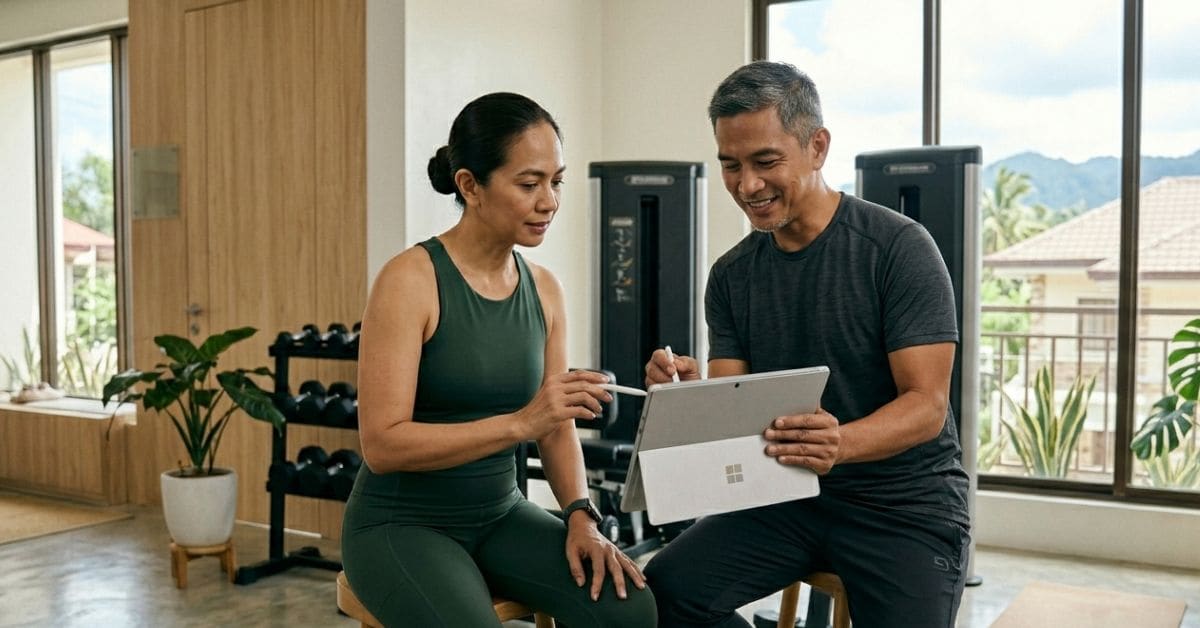
On the surface, at-home training feels like the obvious win. No commute. No traffic on the way through Franklin. No planning your day around a studio window.
That convenience is usually what gets people interested in the first place, and it’s valid. When life is already packed, saving time feels like the biggest lever you can pull.
But once you look past scheduling, these aren’t just two versions of the same workout. They’re fundamentally different training environments. And the real dividing line almost always comes down to one thing: what kind of equipment you actually have access to.
What In-Home Personal Training Actually Looks Like
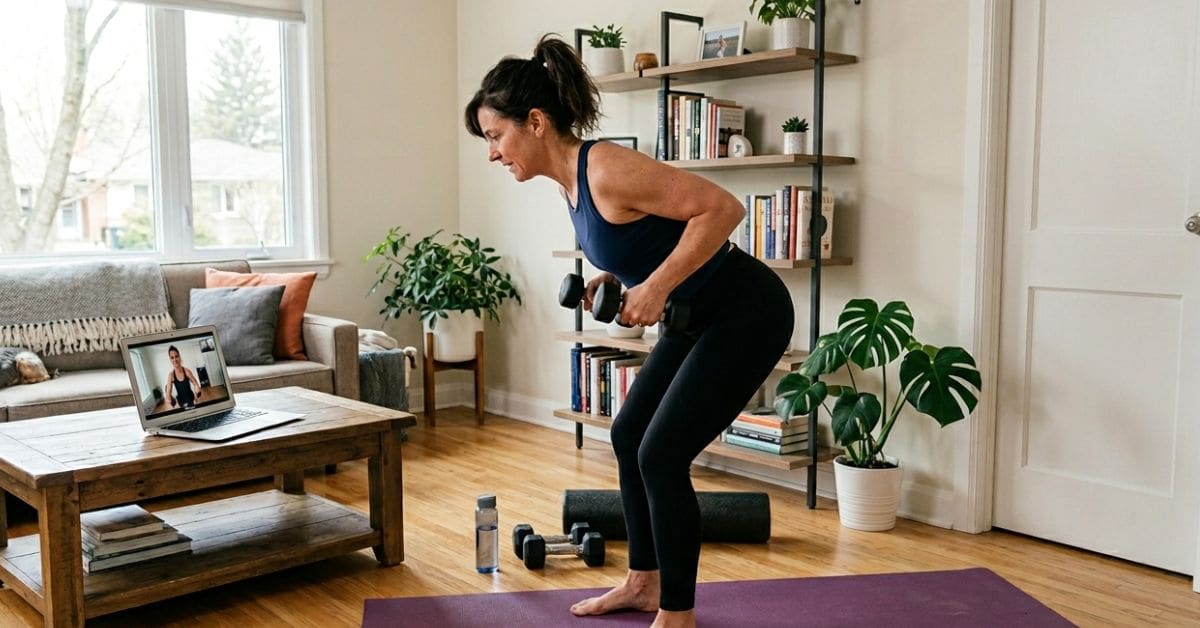
Most at-home setups are simple by necessity. Bodyweight movements, a pair of dumbbells, resistance bands, maybe a bench if you’re lucky. Enough space to move, but not much more.
For someone just getting started, or someone who mainly needs accountability and structure, that can work surprisingly well. Having a coach in your living room keeps you consistent and helps you learn how to move properly.
The limitation shows up later. Once your strength starts to improve, the lack of progressive, precise resistance becomes the bottleneck. You eventually outgrow what the equipment can realistically challenge.
And when that happens, progress doesn’t stop because of effort. It slows because of limits.
What the Studio Adds
Step into a dedicated training space and the entire equation changes.
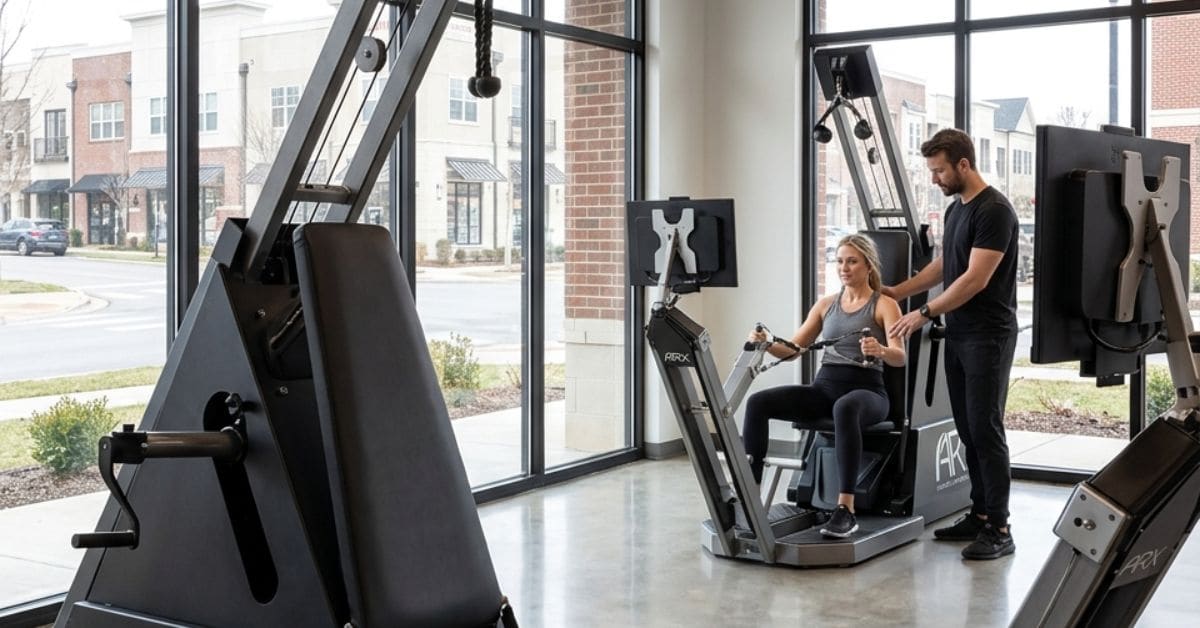
At LUX Fitness, that means access to ARX technology, which automatically matches resistance to your effort through every phase of a movement. There’s nothing to load, nothing to guess, and no risk of choosing a weight that doesn’t match what your body can actually handle that day.
Every rep adjusts in real time.
That creates a level of precision and control that’s extremely difficult to replicate in a home environment. The session becomes less about working around limitations and more about applying exactly the right amount of resistance, every single time.
Why Equipment Quietly Decides the Outcome
Most people assume the coach is the main factor in results. Coaching matters. A lot. But the equipment determines what that coaching can actually do.
The same trainer, working with the same client, will produce two very different outcomes depending on the tools in the room. A bodyweight squat and a fully resisted ARX movement may use the same cueing, but they create completely different training stimuli.
One builds coordination and baseline strength. The other drives measurable, progressive overload.
That difference is what separates general movement from structured strength development. Both have value, but they are not interchangeable over time.
When In-Home Personal Training Makes Sense
At-home training fits best in specific situations:
- You’re brand new and consistency is the main hurdle
- Leaving the house is genuinely difficult due to schedule or mobility
- You’re working through rehab with a professional guiding you
- You need simplicity more than progression right now
In those cases, convenience isn’t just helpful, it’s the thing that makes training possible at all. A solid at-home session is always better than no session.
When the Studio Becomes the Better Fit
The studio environment starts to make more sense when your goals shift toward measurable progress and long-term strength. That usually looks like:
- You want strength that can be tracked and improved over time
- Bodyweight and light weights no longer challenge you
- You want safer, more controlled progression as you get stronger
- You prefer focused sessions that remove distractions
- You perform better when the environment signals “it’s time to train”
For most people once the beginner phase is behind them, structure and progression matter more than convenience alone.
Why ARX Tips the Balance
This is where the gap becomes impossible to ignore.
Traditional equipment forces a fixed load. You choose a weight, and that weight stays the same whether you’re fresh or fatigued. Too light and you’re under-stimulated. Too heavy and form breaks down halfway through.
ARX removes that tradeoff completely by adjusting resistance in real time based on your output. Every phase of the rep is matched to what you can actually produce in that moment.
That kind of adaptive resistance doesn’t exist in a home setup. It’s a studio advantage by design, and it changes how efficiently you can train.
How Time and Energy Really Compare
At-home training often feels faster because there’s no commute attached to it. But that perception can be misleading.
Home sessions tend to stretch longer to compensate for limited equipment and setup changes. Rest periods drift. Transitions slow down. Focus comes and goes because you’re still in your normal environment.
A 30-minute focused ARX session at LUX Fitness, even with a short drive, often ends up matching the total time investment of a much longer at-home workout.
The bigger difference is energy. Studio sessions are contained. You arrive, train with intention, and leave. There’s no blending of roles or distractions pulling attention in different directions.
Why the Setting Itself Affects Results
The environment you train in changes how you show up.
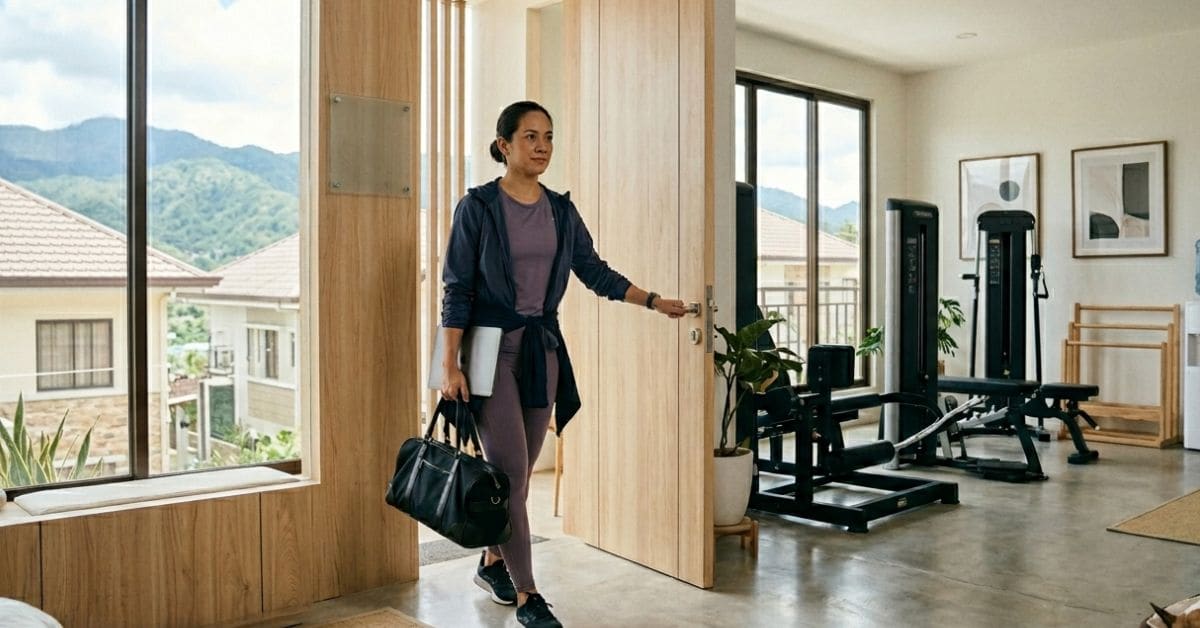
Walking into a dedicated space creates a clean mental separation from everything else happening in your day. Work stays outside. Home stays outside. You’re not half-training while thinking about emails or chores.
That separation matters more than people expect.
For many clients, that switch is the difference between inconsistent effort and fully committed sessions. The environment doesn’t just support training, it reinforces it.
What In-Home Personal Training and In-Studio Training Share
Regardless of where you train, one factor still outweighs everything else: the quality of coaching.
A strong coach will get results in a modest setup. A weak coach won’t fix anything in a high-end studio. The fundamentals, attention, programming, and accountability, matter in both environments.
So the real decision isn’t just about location or equipment. It’s about pairing the right coaching with the right setup for your stage of progress. If you’re weighing your options, it helps to know what to expect from your first session before you commit.
Once that’s clear, the question becomes simple: do you need maximum convenience, or do you need maximum progression?
FAQs About In-Home Personal Training vs In-Studio in Franklin
Is in-studio personal training better than at-home personal training in Franklin?
For measurable strength progress, in-studio training usually has the advantage because the equipment allows for more precise and progressive overload. At-home training works well for beginners or anyone prioritizing consistency over performance. The better option depends on whether your main challenge is showing up or continuing to progress.
Can you build real strength with at-home personal training?
Yes, especially early on. Bodyweight work, bands, and light dumbbells can build a solid foundation. Over time, though, those tools become limiting as strength increases. In-studio training with adaptive resistance allows for continued progression long after home setups plateau.
Does in-studio personal training take a lot more time?
Not necessarily. While you add a short commute, studio sessions are more focused and efficient. A 30-minute structured session often replaces longer, less efficient at-home workouts once setup time and distractions are factored in.
Why does equipment matter so much in personal training?
Because equipment determines how precisely you can apply resistance and progression. Coaching sets direction, but equipment sets the ceiling. Adaptive systems like ARX remove guesswork and allow training to stay aligned with your actual strength in real time.
See the Difference Equipment Makes at LUX Fitness
The easiest way to understand the difference is to experience it directly.
A free intro session at LUX Fitness shows how adaptive resistance changes the feel and outcome of training in real time. If you’re still comparing options, our ARX training sessions in Franklin, TN page gives you a clearer sense of how studio-based strength training actually works.